







Description
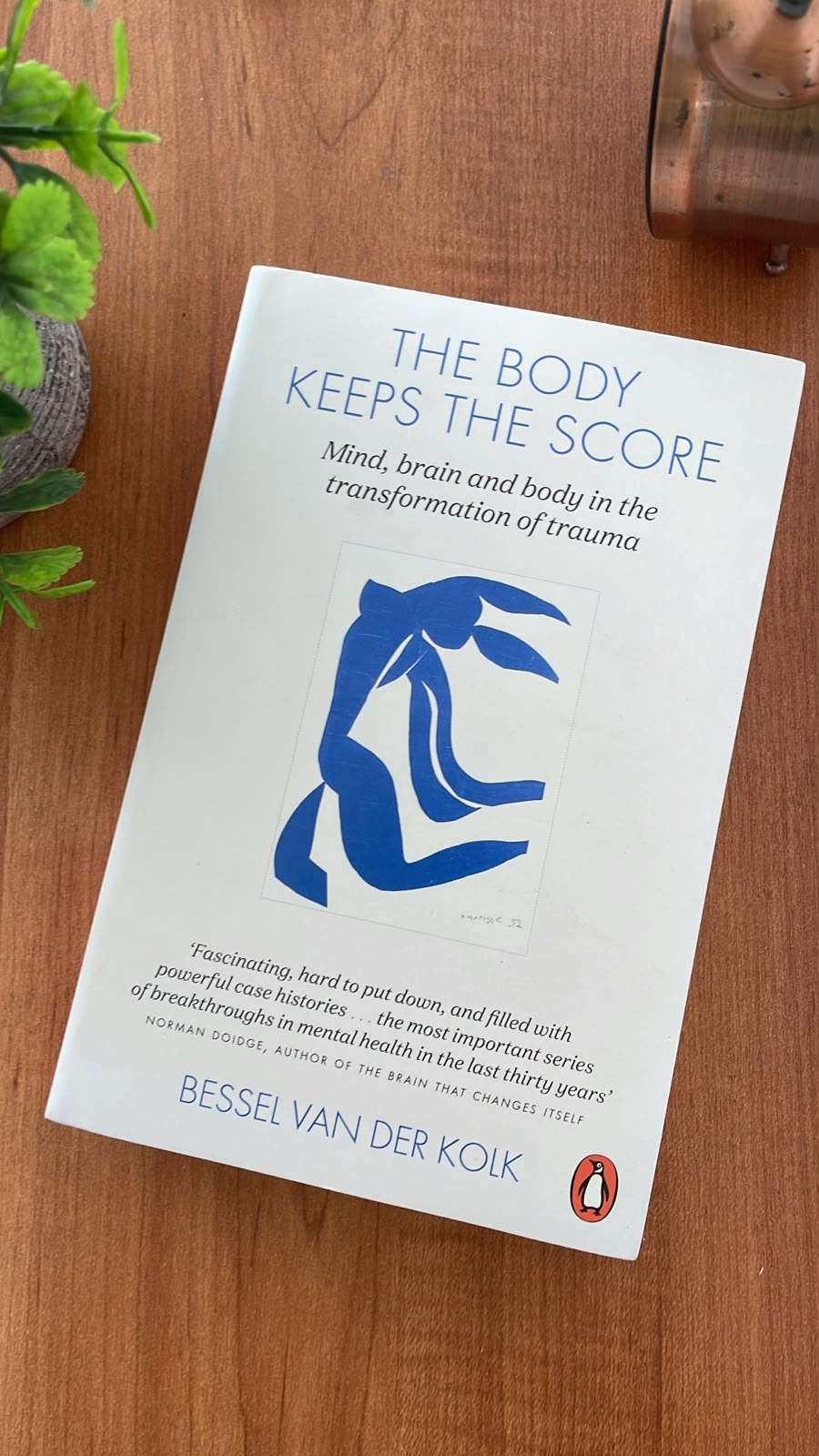
Understanding Trauma and Healing: The Body Keeps the Score by Bessel van der Kolk
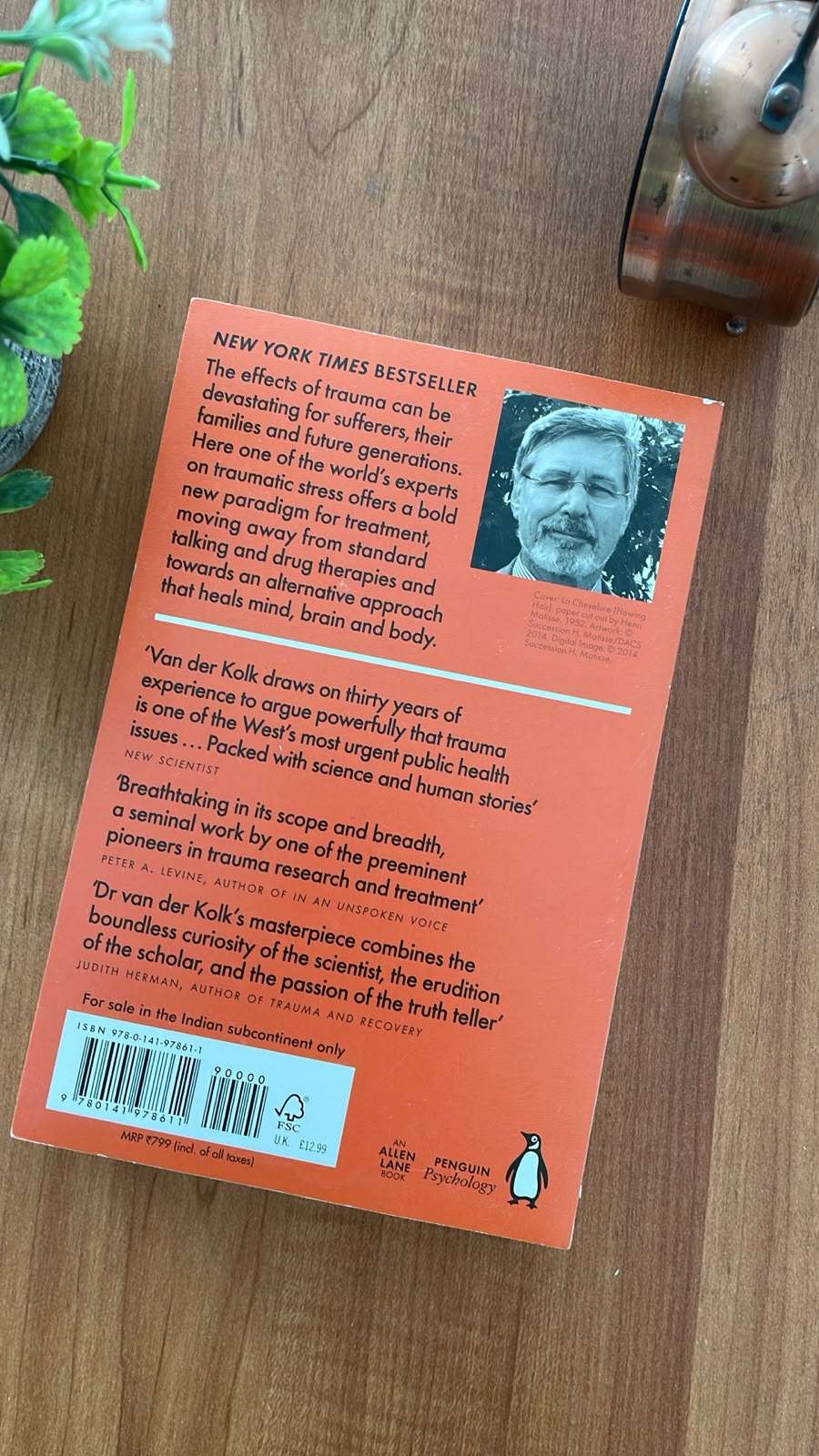
The Body Keeps the Score is a landmark work in psychology and trauma studies by Bessel van der Kolk, a leading psychiatrist and researcher. The book explores how traumatic experiences—ranging from childhood abuse to war, accidents, or chronic stress—reshape the mind and body, affecting behavior, relationships, and overall health. Van der Kolk’s central premise is that trauma is stored in the body and brain, meaning that recovery requires both physical and psychological approaches.
Rather than treating trauma as purely a mental phenomenon, van der Kolk emphasizes that trauma manifests in physiological responses, and understanding this connection is crucial for healing.
Trauma and Its Physical Manifestations
A core lesson of the book is that trauma leaves a lasting imprint on the body. Victims often experience hyperarousal, emotional numbness, and intrusive memories. Chronic trauma can also contribute to physical problems, such as high blood pressure, chronic pain, and autoimmune disorders. The nervous system becomes dysregulated, often leaving individuals in a persistent state of fight, flight, or freeze—even long after the traumatic event.
Van der Kolk explains that many people attempt to cope through avoidance, substance use, or compulsive behaviors, which temporarily dull the pain but fail to resolve the underlying trauma. A key insight of the book is that trauma cannot simply be talked away; it requires strategies that engage both the body and mind.
Recognizing and Processing Trauma
The Body Keeps the Score outlines several principles for understanding and addressing trauma:
Acknowledge trauma as real and impactful – Denying or minimizing experiences worsens emotional and physical consequences.
Recognize the mind-body connection – Emotional trauma often manifests in physiological symptoms, emphasizing the need for somatic approaches.
Regulate the nervous system – Practices like mindfulness, breathing exercises, yoga, and body awareness help restore equilibrium.
Reprocess traumatic memories safely – Therapies such as EMDR (Eye Movement Desensitization and Reprocessing) and somatic experiencing help individuals confront and integrate traumatic experiences without re-traumatization.
Rebuild trust and relationships – Connection with safe and empathetic people is critical for recovery.
Engage in expressive and creative therapies – Art, music, and movement therapies allow trauma to be processed beyond words, offering emotional release.
Develop self-awareness and emotional literacy – Recognizing triggers, emotional responses, and bodily sensations fosters self-regulation and resilience.
These lessons highlight that trauma recovery is not linear; it is an ongoing process that integrates multiple dimensions of human experience.
Practical Tools for Healing
Van der Kolk provides a variety of evidence-based interventions for trauma survivors. Mindfulness practices, yoga, and meditation help reduce hyperarousal and reconnect individuals with their bodies. EMDR allows the brain to process traumatic memories in a controlled and safe manner, reducing their emotional intensity. Group therapy and peer support build trust and social connection, both of which are essential for healing.
Importantly, the book stresses that no single method works for everyone. Trauma is highly individualized, and recovery involves personalized approaches that honor both emotional and physical responses.
Relevance in Today’s World
Trauma is not confined to extreme events like war or abuse; it can result from neglect, bullying, discrimination, or chronic stress. The Body Keeps the Score is highly relevant for understanding how modern life—social isolation, workplace stress, and societal pressures—affects mental and physical health. The book provides a framework for recognizing trauma’s impact and integrating healing practices into daily life.
Who Should Read This Book
The book is ideal for:
Trauma survivors seeking understanding and practical strategies
Mental health professionals, therapists, and caregivers
Students of psychology, neuroscience, or social work
Anyone interested in mind-body wellness, resilience, and emotional intelligence
Van der Kolk’s insights extend beyond trauma survivors to anyone who seeks to understand the profound connection between experience, emotion, and physical health.
Explore more literary works here: BookLounge Fiction Section
Learn more about the author: Bessel van der Kolk Official Website
Lasting Impact
After reading The Body Keeps the Score, many readers gain a profound understanding that trauma is stored in both body and mind, and that healing requires addressing both. The book emphasizes that trauma does not define an individual; recovery is possible through awareness, connection, and intentional practices.
Van der Kolk demonstrates that therapy alone is not enough; recovery involves regaining control over one’s body, emotions, and life. By combining scientific insight, clinical experience, and practical guidance, The Body Keeps the Score offers hope, understanding, and actionable strategies for anyone affected by trauma.
Ultimately, the book teaches that while trauma can deeply shape our lives, healing is achievable through compassion, self-awareness, and holistic approaches.






Reviews
There are no reviews yet.