







Description
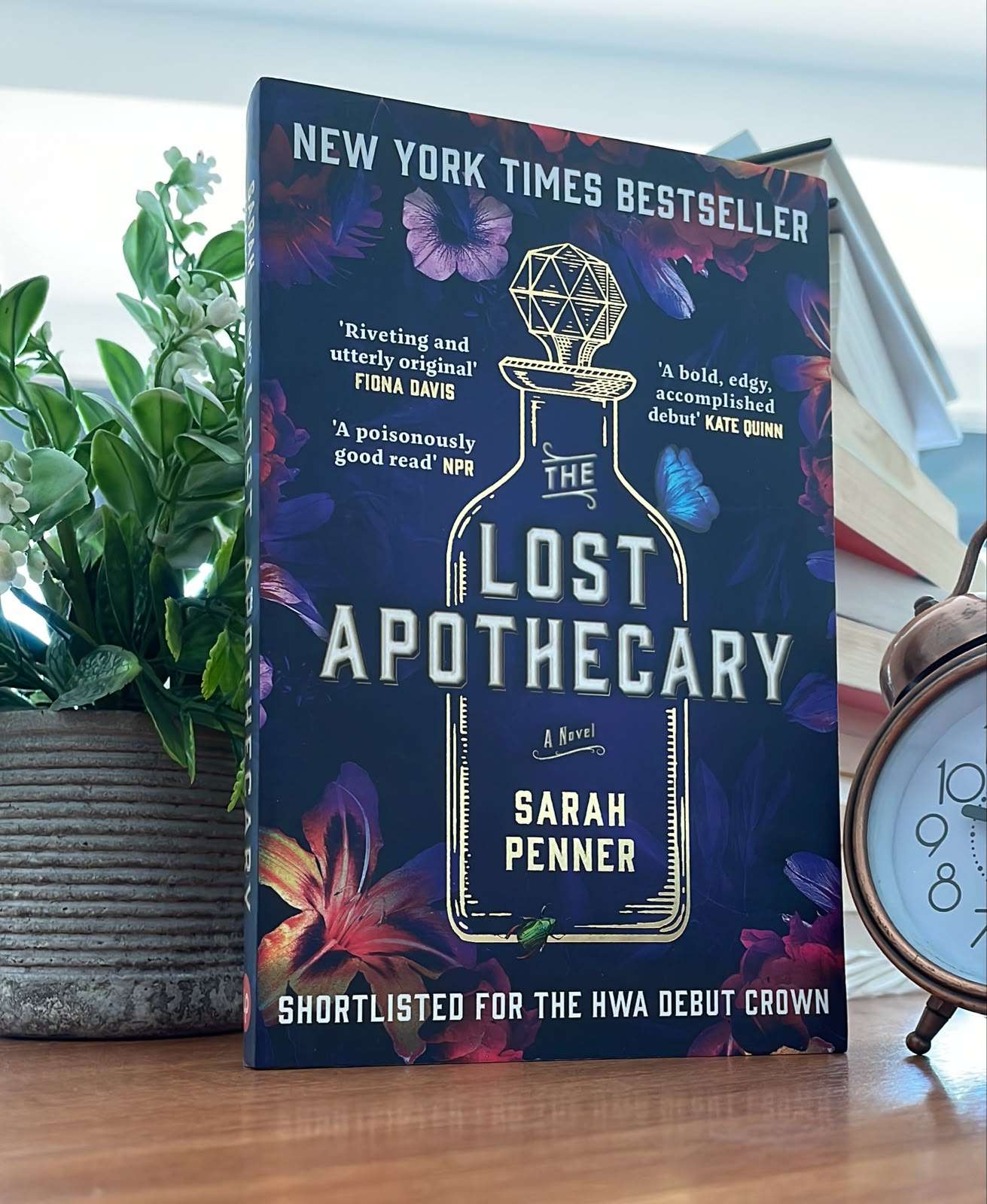
The Lost Apothecary by Sarah Penner
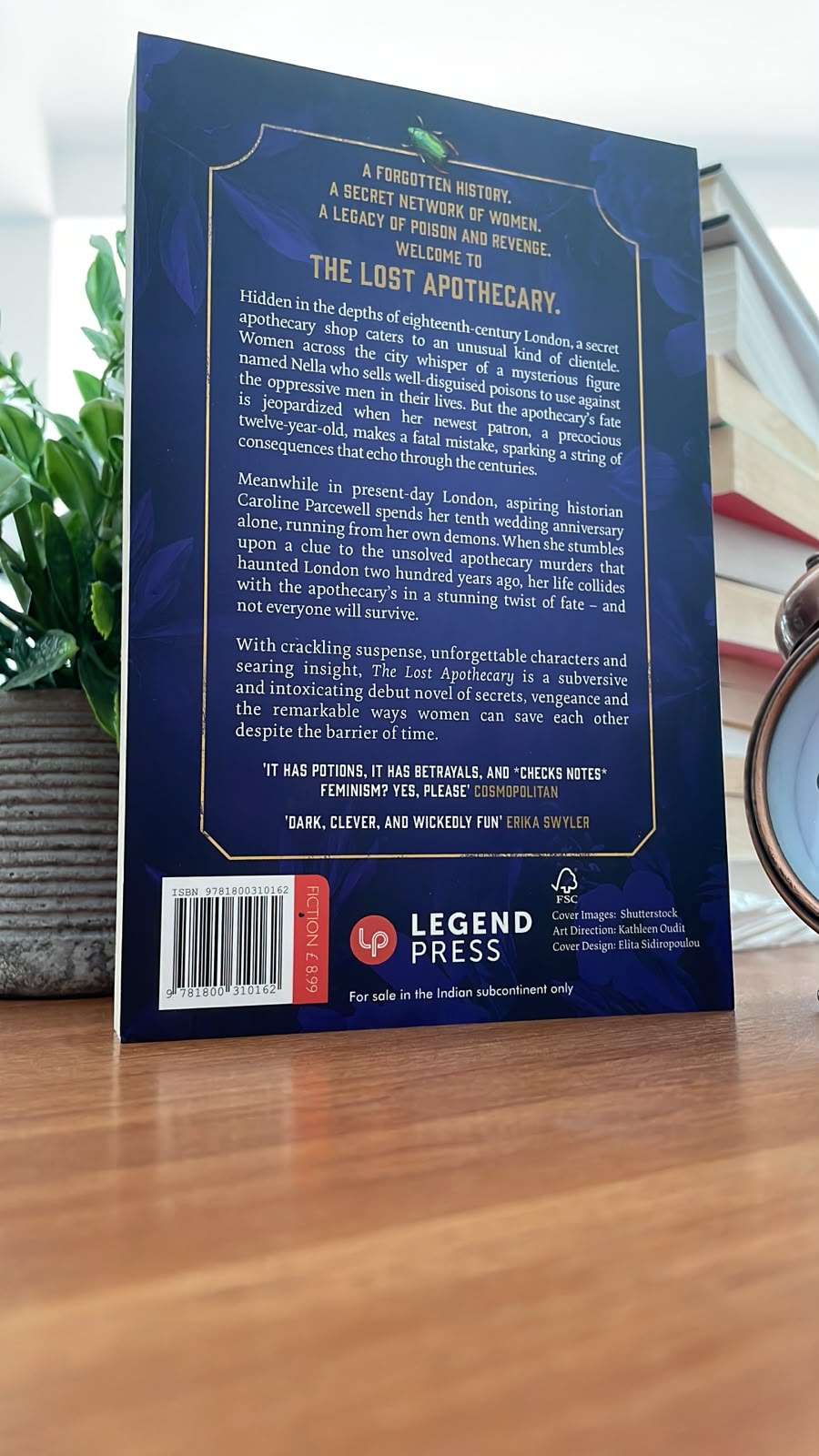
The Lost Apothecary is a historical fiction novel that weaves together mystery, female empowerment, and the power of secrets. Set in both 18th‑century London and the present day, the story follows two women whose lives become connected through a mysterious apothecary that secretly provided potent, anonymous remedies to women seeking justice or escape.
Rather than a traditional romance or thriller, The Lost Apothecary explores the cost of knowledge, the power of choice, and the ways women find agency in worlds that limit them.
Dual Timelines That Reveal Secrets
One of the earliest lessons in The Lost Apothecary is that history can echo into the present, shaping the lives of those who uncover it. The novel alternates between two timelines:
- London in the 1700s — where an apothecary named Nella secretly creates poisons for women trapped by cruel husbands or oppressive social norms
- Modern‑day London — where aspiring historian Caroline finds a vial linked to the apothecary and begins unraveling its secrets
This structure allows readers to see how courage, desperation, and choice play out across centuries.
The Apothecary’s Dangerous Craft
In the historical timeline, Nella runs a hidden apothecary that sells coded bottles to women in need. Each remedy comes with a story and a price:
- Some women want freedom from abuse
- Some seek revenge
- Some seek control over their own destiny
Nella’s craft—once dangerous and illicit—symbolizes hidden power and the moral complexity of taking justice into one’s own hands. The apothecary becomes a metaphor for knowledge that can heal, harm, or liberate depending on its use.
A Story of Female Agency
A major theme in The Lost Apothecary is female empowerment. Both Nella and Caroline struggle with the limits placed on women in their respective societies:
- Nella fights to survive and help others in a time when women’s independence was severely restricted
- Caroline searches for her own identity and career in a modern world where expectations and relationships still shape choices
Through these parallel journeys, the novel shows that agency and self‑discovery are timeless challenges.
Mystery and Discovery
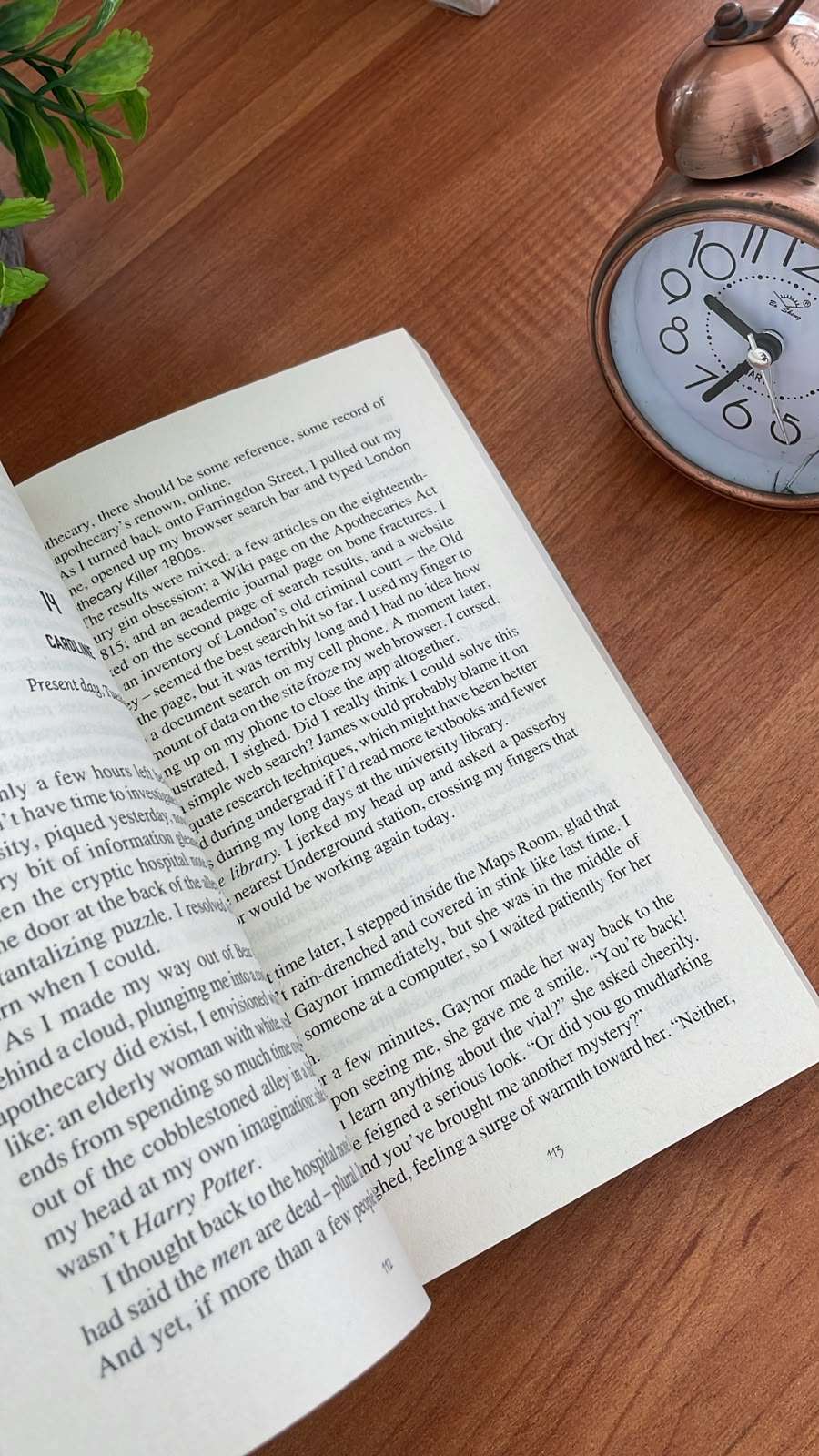
The modern timeline follows Caroline, who stumbles upon a vial that once belonged to the apothecary. As she investigates its origins, she uncovers clues, secrets, and scandals that connect past and present.
This mystery element propels the narrative forward, combining historical research with suspense and emotional stakes.
Writing Style and Emotional Nuance
Sarah Penner’s storytelling blends historical authenticity with contemporary relevance. Descriptions of 18th‑century life immerse readers in a time of alleyway markets, coded messages, and secret transactions, while the modern timeline explores relationships, ambition, and self‑worth.
The novel balances mystery, emotion, and literary depth to create a compelling reading experience that resonates on multiple levels.
Who Should Read This Book
This novel is ideal for:
- Fans of historical fiction with a twist of mystery
- Readers who enjoy dual timeline storytelling
- Anyone interested in strong female protagonists and empowerment themes
- Book club readers and fans of narrative that blends past and present
Because of its emotional depth and suspenseful plot, The Lost Apothecary appeals to both casual and literary readers.
Explore More Fiction
Explore related books here:
https://booklounge.lk/product-category/self-help/
Wikipedia Link
https://en.wikipedia.org/wiki/The_Lost_Apothecary
Here’s a fiction reference link for The Lost Apothecary by Sarah Penner:
Fiction / Book Information Link
https://www.goodreads.com/book/show/57620069‑the‑lost‑apothecary — This page provides summary, genre (historical fiction/mystery), reader ratings, and reviews for the novel. (Goodreads)
Lasting Impact
After reading The Lost Apothecary, many readers feel both intrigued by the historical puzzle and moved by the characters’ quests for autonomy, meaning, and justice.
Ultimately, the novel teaches that secrets can shape lives across generations, and that the search for truth and agency is both personal and universal.





Reviews
There are no reviews yet.