






Description
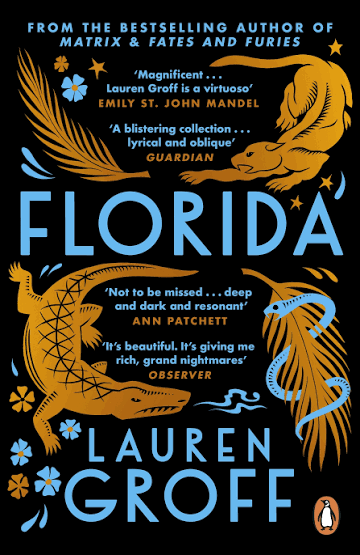
Florida by Lauren Groff
Florida by Lauren Groff is a fierce, atmospheric and beautifully written collection of short stories exploring wilderness, motherhood, marriage, loneliness, fear and the unpredictable forces that shape human lives. Across eleven stories, Groff transforms Florida from a familiar geographical setting into something wilder and more psychologically charged—a place where the natural world appears constantly ready to break through the fragile boundaries of ordinary life.
Storms gather without warning, snakes move through gardens, sinkholes threaten the solid ground and heat presses against every surface. Yet the greatest dangers in these stories are not always found in the landscape. They emerge from loneliness, anxiety, anger, difficult relationships and the private fears people struggle to express. Groff uses Florida’s intense environment to reflect the emotional lives of her characters, creating stories in which the outer world and the inner mind seem to echo one another.
The collection introduces readers to a memorable range of characters. Among them are two resourceful sisters left to survive alone, a lonely boy followed into adulthood, a restless couple without children, a woman moving through homelessness and a conflicted wife and mother trying to understand the pressures surrounding her. Their circumstances differ, but each character confronts vulnerability, uncertainty or a desire to escape the limitations of an existing life.
Several of the stories focus on women navigating expectations connected to motherhood, marriage and domestic responsibility. Groff examines the strain of being expected to remain endlessly patient, capable and emotionally available. Her characters love their families, yet they also experience frustration, exhaustion and the urge to step beyond the identities others have created for them. These conflicting emotions are treated honestly, without reducing the women to either idealised caregivers or simple rebels.
Motherhood appears as a source of fierce love as well as intense fear. The desire to protect a child can make every possible danger feel immediate, especially in a landscape filled with storms, animals and unfamiliar spaces. Groff captures the mental pressure of responsibility—the awareness that a single decision can seem to carry enormous consequences. These stories acknowledge both the tenderness of family life and the anxiety that often exists beneath its surface.
Florida is also deeply interested in solitude. Some characters actively seek isolation, hoping that distance will provide freedom or clarity. Others find themselves alone through abandonment, emotional separation or circumstances beyond their control. Solitude can offer temporary escape, but it can also intensify memories and anxieties that everyday routines previously kept hidden. In Groff’s fiction, being alone rarely means being free from the past.
Although each story stands independently, recurring images and emotions connect the collection. Heat, water, darkness, animals, storms and vulnerable bodies appear across different narratives. Characters move between security and danger, civilisation and wilderness, connection and isolation. These repeated elements give the book the unity of a larger work while preserving the variety and concentrated impact of individual short stories.
The natural world is never merely decorative. Florida’s plants, animals, weather and geography possess their own force, reminding the characters that human control is limited. Comfortable houses, carefully organised lives and familiar routines may create a sense of safety, but nature can overturn that confidence quickly. This tension gives the collection an atmosphere of unease even during apparently ordinary moments.
Groff’s prose is lyrical, precise and intensely observant. She can describe a landscape with remarkable beauty and then reveal something threatening within it. Her sentences capture the physical sensations of heat, rain, exhaustion and fear while remaining attentive to subtle shifts in thought. Readers are often drawn closely into a character’s consciousness, experiencing memories, worries and imagined dangers as they unfold.
The stories move through different tones and structures. Some feel intimate and realistic, while others approach the dreamlike, unsettling or almost apocalyptic. There are moments of tenderness, dark humour and human connection alongside fury, uncertainty and loss. This variety makes the collection rewarding for readers who enjoy fiction that experiments with perspective and atmosphere while remaining emotionally grounded.
Beneath the danger and darkness, Florida is not without hope. Groff’s characters continue searching for connection, meaning and moments of beauty even when the world feels unstable. Hope does not arrive as a simple solution to suffering. Instead, it can be found in endurance, imagination, unexpected kindness and the ability to recognise beauty without ignoring the threats surrounding it.
The collection received major literary recognition, winning The Story Prize and becoming a finalist for the 2018 National Book Award for Fiction. Its achievement lies not simply in presenting eleven accomplished stories but in allowing them to strengthen and reflect one another. Together, they create a layered portrait of a place, a state of mind and the complicated emotional landscape of contemporary life.
Florida is an excellent choice for readers of literary fiction, character-driven stories and psychologically rich writing. It will particularly appeal to those interested in complicated women, family relationships, environmental unease and fiction in which setting becomes an essential part of the narrative. Readers who enjoyed the emotional intensity of Fates and Furies, Matrix or The Vaster Wilds will recognise Lauren Groff’s distinctive attention to language, place and the hidden forces within human relationships.
Powerful, unsettling and vividly atmospheric, Florida presents the Sunshine State without the comforting image suggested by its name. It reveals a landscape of beauty and danger populated by people attempting to survive their surroundings and themselves. This award-winning collection demonstrates why Lauren Groff is considered one of the most compelling voices in contemporary American fiction.



Reviews
There are no reviews yet.