







Description
A Vision of Humanity’s Future
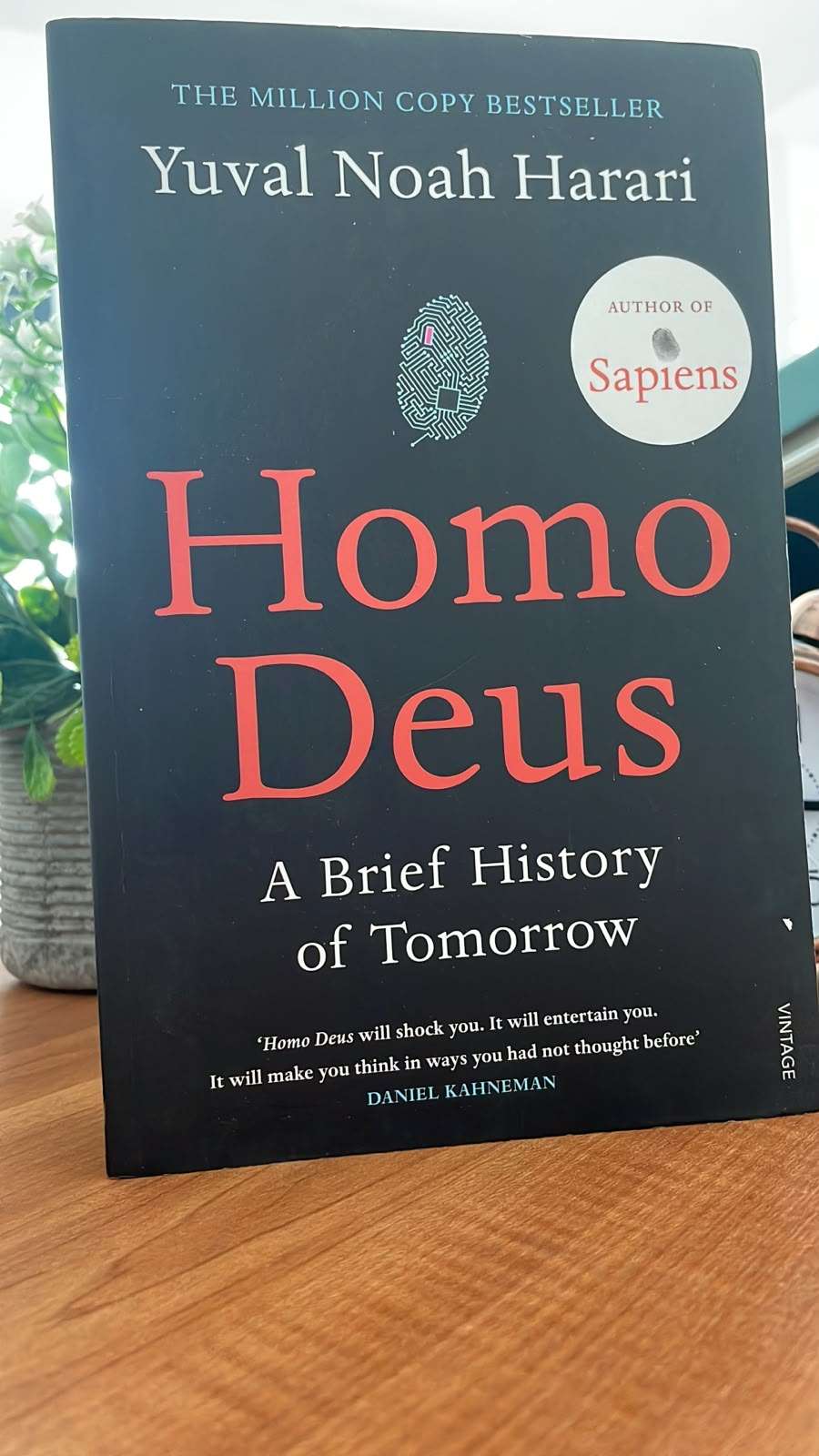
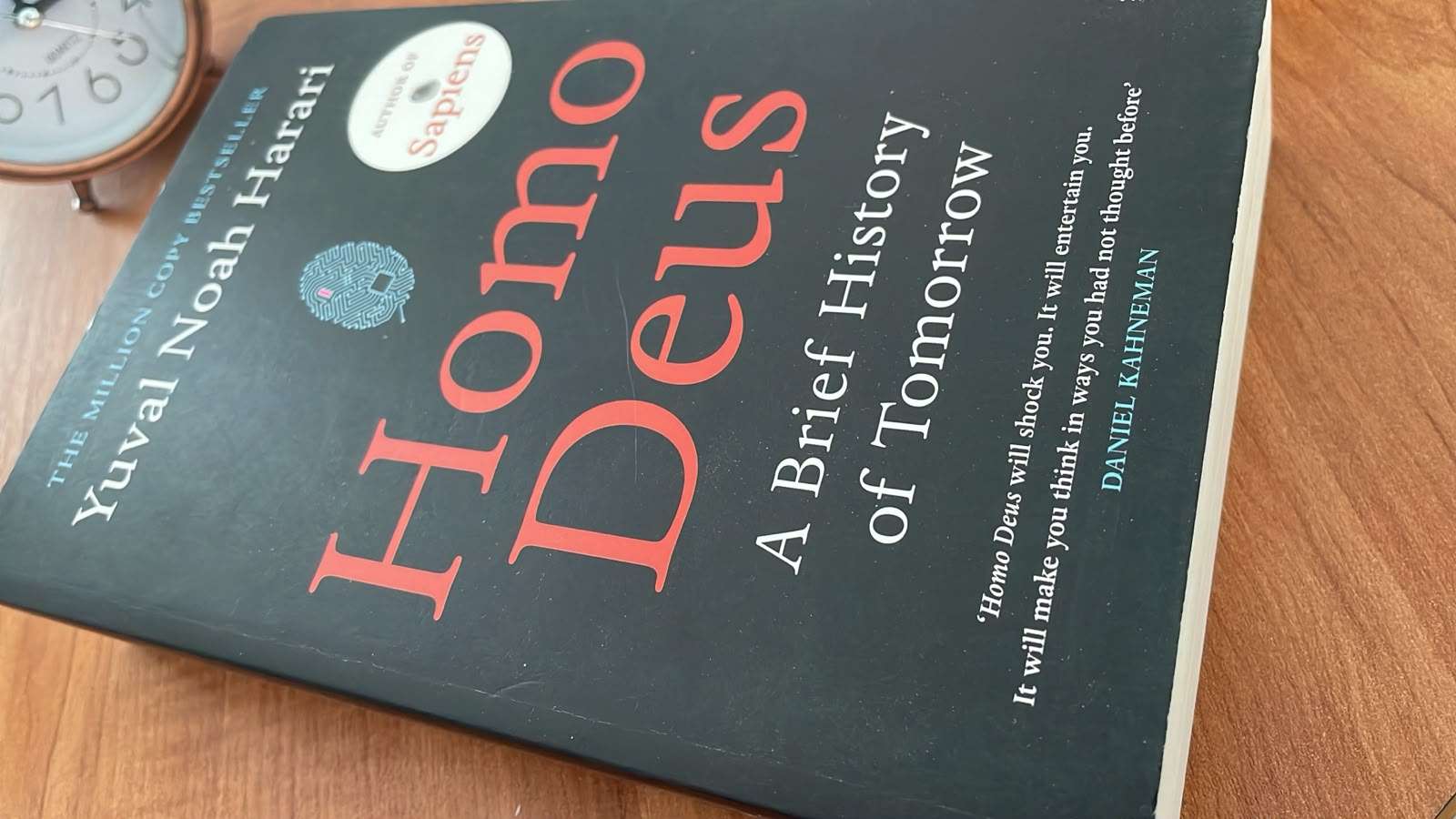
Homo Deus: A Brief History of Tomorrow by Yuval Noah Harari
Homo Deus: A Brief History of Tomorrow is a thought-provoking nonfiction book that explores the possible future of humanity in an age of rapid technological advancement. Written by historian Yuval Noah Harari, the book examines how developments in science, artificial intelligence, and biotechnology could transform human society in the coming centuries.
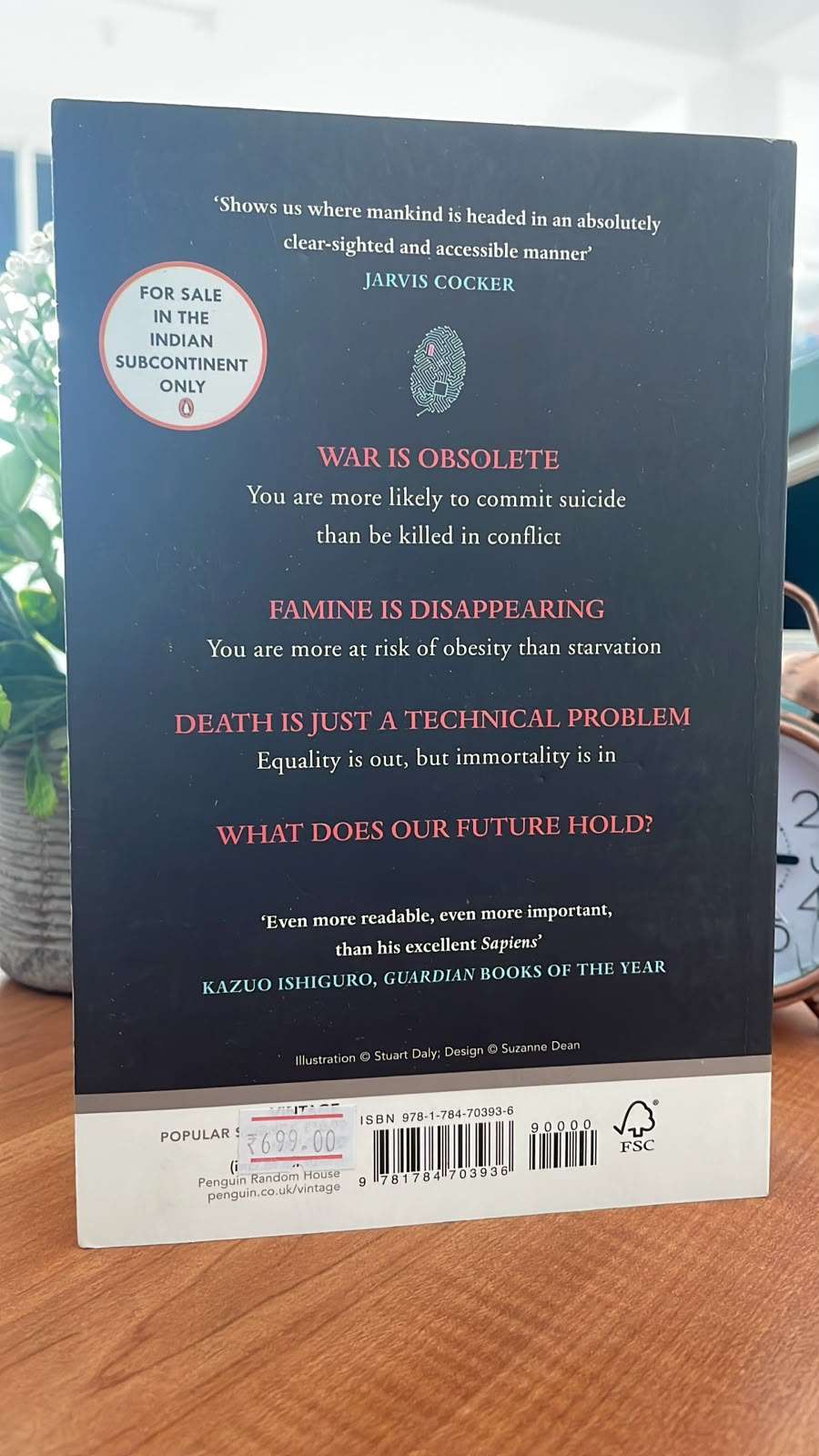
The central idea of Homo Deus is that after solving many traditional problems such as famine, plague, and large-scale war, humanity is now turning its attention toward new ambitions—achieving happiness, immortality, and god-like powers through technology.
From Survival to New Human Goals
Harari begins the book by explaining how humanity has historically focused on survival. For thousands of years, people struggled primarily with three major threats: famine, disease, and war.
While these challenges have not disappeared entirely, modern science, medicine, and global cooperation have significantly reduced their impact compared to earlier centuries. As a result, humanity is now beginning to pursue new goals such as:
- Extending human life through biotechnology
- Increasing happiness through neuroscience and psychology
- Enhancing human abilities using advanced technology
These ambitions mark a shift from basic survival toward human enhancement.
The Rise of Technology and Artificial Intelligence
A major theme in Homo Deus is the growing influence of artificial intelligence and data systems. Harari argues that algorithms and machines may eventually outperform humans in many intellectual tasks.
This development raises important questions about the future of employment, decision-making, and power. If machines can analyze information more efficiently than humans, societies may begin to rely on algorithms for choices ranging from financial investments to medical treatments.
The book encourages readers to consider how humanity can maintain ethical control over these powerful technologies.
The Concept of “Dataism”
One of the most unique ideas introduced in Homo Deus is the concept of Dataism. Harari describes Dataism as a possible new worldview that values the flow and analysis of information above all else.
In a Dataist society, data processing becomes the most important activity. Individuals, organizations, and governments may rely heavily on digital systems to guide decisions.
This perspective suggests that the future may be shaped less by individual human choices and more by large data networks and intelligent algorithms.
Ethical Questions About Human Enhancement
As technology advances, the book also explores the ethical challenges that come with human enhancement.
For example, if biotechnology allows people to increase intelligence or physical ability, access to these enhancements might be limited to wealthy individuals. This could create a new class divide between enhanced humans and those without such advantages.
Harari raises questions about fairness, identity, and the meaning of being human in a world where biology can be redesigned.
Rethinking Human Meaning and Purpose
Another important theme in Homo Deus is the philosophical question of meaning. If machines become more intelligent and efficient than humans, what role will people play in society?
Harari suggests that humans may need to redefine their purpose beyond traditional work roles. Creativity, emotional connection, and ethical thinking may become increasingly important in a technology-driven world.
The book challenges readers to reflect on how humanity should shape its own future rather than allowing technology alone to determine it.
Who Should Read This Book
This book is ideal for:
- Readers interested in future technology and society
- Students of history, philosophy, and technology
- Professionals in science, AI, and innovation
- Anyone curious about the long-term future of humanity
Because it blends history, science, and philosophy, the book appeals to a wide range of readers.
Useful Links
BookLounge:
https://booklounge.lk/?s=Homo+Deus
Wikipedia:
https://en.wikipedia.org/wiki/Homo_Deus:_A_Brief_History_of_Tomorrow
Lasting Impact
After reading Homo Deus, many readers begin to think differently about the future of humanity and technology. The book does not claim to predict the future with certainty, but it encourages thoughtful discussion about where modern civilization may be heading.






Reviews
There are no reviews yet.