







Description
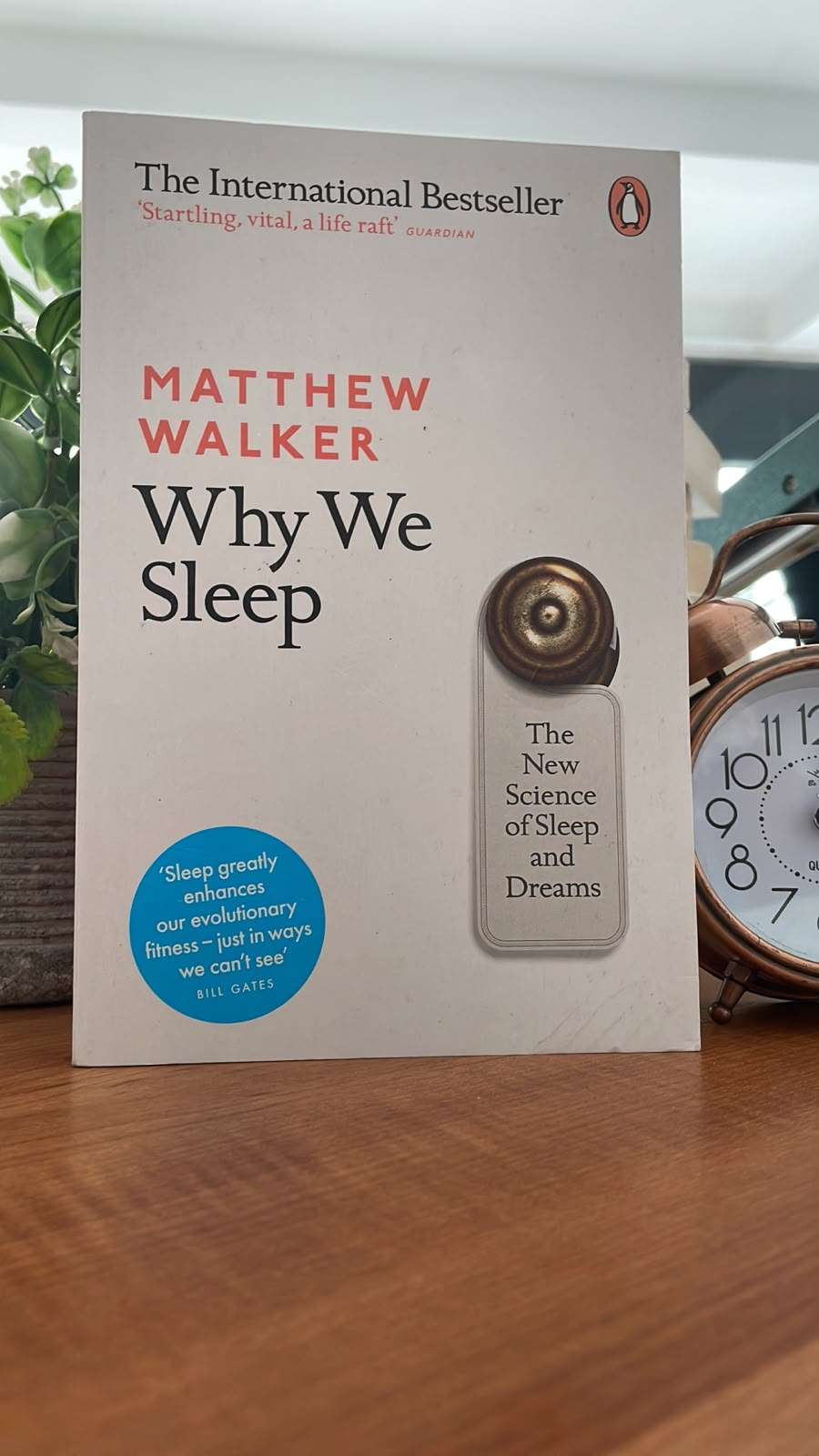
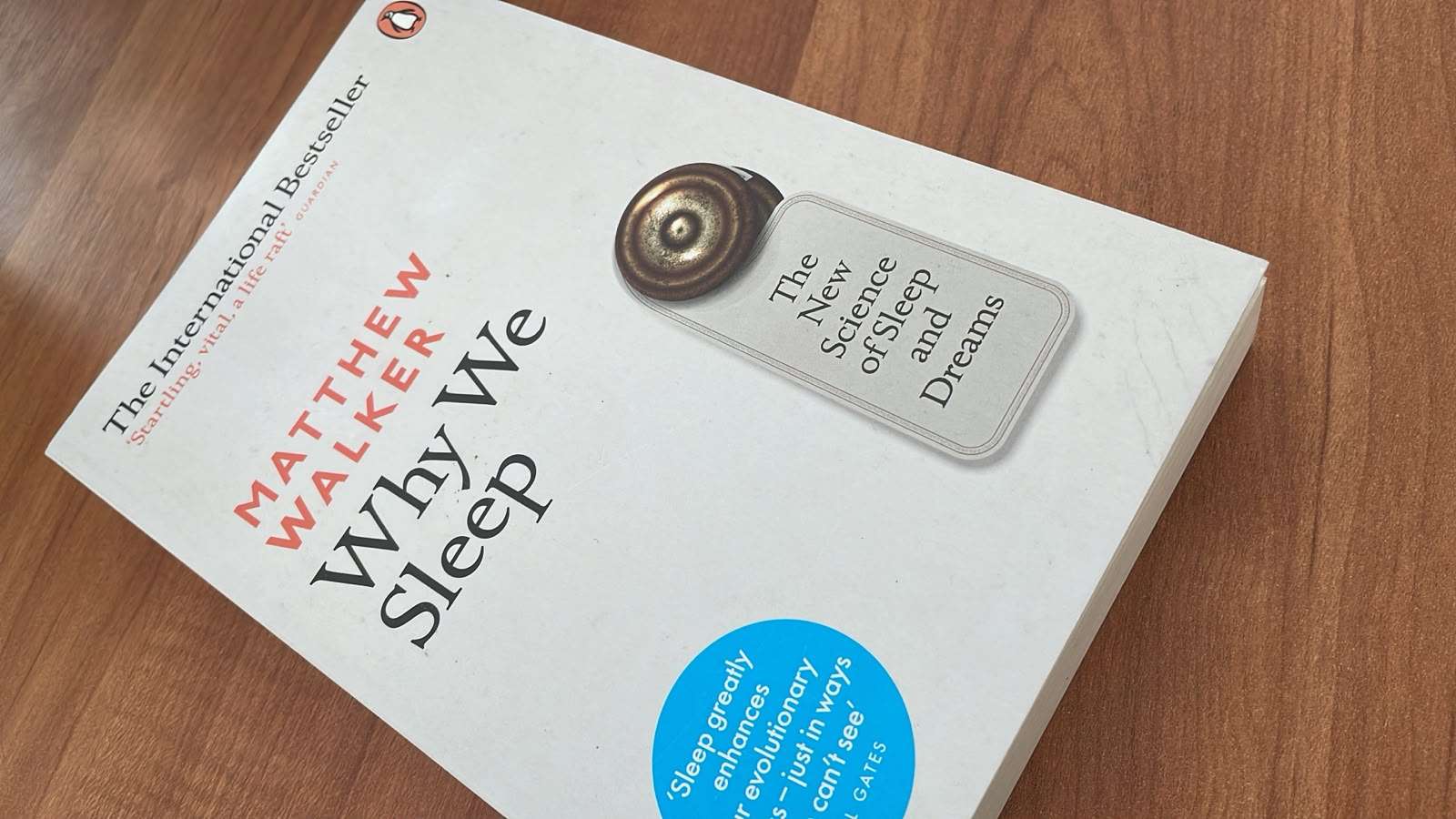
Why We Sleep by Matthew Walker
Why We Sleep: The New Science of Sleep and Dreams by Matthew Walker is an accessible exploration of one of the most important yet frequently neglected parts of human life. Drawing upon neuroscience, psychology, biology, and decades of sleep research, Walker examines what happens while we sleep, why dreaming matters, and how insufficient rest can affect the mind and body.
Sleep can sometimes appear to be an inactive period during which nothing important happens. Why We Sleep challenges that assumption by presenting sleep as a complex biological process involved in learning, memory, emotional regulation, physical recovery, immune function, and general well-being.
Walker also considers how modern schedules, artificial lighting, caffeine, alcohol, technology, and workplace culture can interfere with natural sleep patterns. Informative, engaging, and practical, this international bestseller encourages readers to reconsider the place sleep occupies in their lives.
Understanding the Science of Sleep
One of the book’s central aims is to explain what happens after we close our eyes. Walker introduces the biological systems that influence when we feel awake and when we become sleepy, including the circadian rhythm and the gradual accumulation of sleep pressure.
The circadian rhythm operates like an internal clock, helping regulate daily cycles of wakefulness and rest. Sleep pressure, meanwhile, increases the longer a person remains awake. Together, these systems help determine the timing and intensity of sleep.
Walker presents these scientific ideas in language intended for general readers. Familiar experiences—such as jet lag, afternoon tiredness, difficulty waking in the morning, or feeling unusually alert late at night—become starting points for understanding the biology behind sleep.
REM and Non-REM Sleep
Why We Sleep explains that sleep is not one continuous and unchanging state. During the night, the brain moves through different stages, including rapid eye movement sleep, commonly known as REM sleep, and non-rapid eye movement sleep, or non-REM sleep.
These stages perform different functions and occur in repeating cycles. Deep non-REM sleep is discussed in connection with memory, learning, and physical restoration, while REM sleep receives particular attention in the book’s exploration of dreaming, creativity, and emotional processing.
Walker also explains why the balance between these stages changes during the night. This means that shortening sleep may remove particular kinds of sleep rather than simply reducing every stage equally. His description helps readers understand why both the duration and continuity of rest can matter.
Sleep, Learning, and Memory
A substantial part of the book examines the relationship between sleep and the ability to learn. Walker describes sleep as important both before and after encountering new information.
Rest can prepare the brain to receive and organise new material. After learning, sleep may assist with stabilising and integrating memories. These ideas have relevance for students, teachers, professionals, musicians, athletes, and anyone developing a new skill.
The discussion invites readers to reconsider the common habit of sacrificing sleep to gain additional study or working time. Staying awake longer may create more available hours, but Walker argues that it can also interfere with attention, judgement, retention, and effective performance.
The Fascinating World of Dreams
Why do people dream, and does dreaming serve a useful purpose? Walker explores these questions by examining what takes place in the brain during REM sleep.
The book discusses dreams in relation to memory, emotion, creativity, and problem-solving. Rather than treating dreams solely as mysterious stories, Walker considers the neurological processes occurring while the dreaming brain combines experiences, ideas, and feelings.
Readers curious about nightmares, vivid dreams, emotional memories, or the strange logic of dreams will find this section particularly engaging. Although sleep science has not answered every question about dreaming, the book shows how modern research is beginning to illuminate this familiar but still mysterious experience.
How Sleep Changes Across a Lifetime
Sleep requirements and patterns are not identical at every age. Why We Sleep follows the development of sleep from infancy and childhood through adolescence, adulthood, and later life.
Walker explains why teenagers may naturally prefer later bedtimes and later waking hours, creating tension with early school schedules. He also considers the changes in sleep quality and timing that can accompany ageing.
This lifetime perspective helps readers understand that sleep behaviour is influenced by biology as well as personal habits. What appears to be laziness, stubbornness, or a lack of discipline may sometimes reflect differences in an individual’s internal clock.
Caffeine, Alcohol, and Everyday Habits
The book investigates several common influences on sleep, including caffeine and alcohol. Walker explains how caffeine temporarily blocks signals associated with sleep pressure and why consuming it later in the day may affect rest long after its immediate stimulating effect seems to have disappeared.
Alcohol may make a person feel sleepy, but Walker distinguishes sedation from natural, healthy sleep. He discusses how drinking can disturb normal sleep architecture and contribute to fragmented rest.
Other practical subjects include light exposure, bedroom temperature, regular schedules, exercise, and the use of electronic devices. These explanations help readers connect the science with choices they make throughout the day.
Sleep and Emotional Well-Being
Anyone who has become irritable, anxious, or unusually sensitive after a poor night’s rest will recognise the connection between sleep and emotion. Walker explores how inadequate sleep can affect the brain systems involved in emotional responses and self-control.
He considers the relationship between sleep and mental well-being while emphasising the two-way nature of that connection: disrupted rest can influence mood, and emotional distress can make restful sleep more difficult.
The book does not replace personalised medical advice, diagnosis, or treatment. However, it provides useful background for readers who want to understand why sleep is increasingly discussed as an important component of emotional and psychological health.
The Physical Importance of Rest
Beyond its effects on concentration and mood, Why We Sleep examines sleep’s relationship with multiple physical processes. Walker discusses research concerning metabolism, appetite, cardiovascular health, immunity, hormones, athletic performance, and ageing.
These chapters communicate the author’s central argument that sleep should not be treated as optional time that can continually be exchanged for work, entertainment, or social activity.
Some of the book’s medical and statistical claims have attracted academic debate since publication. Readers may therefore wish to treat it as an influential introduction to sleep science rather than as the final word on every research question. Its broader message—that adequate sleep is a meaningful part of health—remains the foundation of the book.
Sleep Loss in Modern Society
Walker broadens the discussion from individual habits to schools, workplaces, healthcare systems, and public policy. He questions cultures that celebrate extreme working hours or regard tiredness as evidence of commitment and ambition.
The book considers how sleep deprivation may influence workplace productivity, educational performance, healthcare decisions, and road safety. It also explores whether institutions could be designed around a more realistic understanding of human sleep needs.
These sections make Why We Sleep more than a personal wellness guide. They invite discussion about how communities and organisations treat rest and whether established schedules support or undermine well-being.
Practical Ideas for Better Sleep
Alongside its scientific explanations, the book offers practical principles that may help readers build healthier routines. These include maintaining consistent sleeping and waking times, managing caffeine intake, limiting late-night alcohol, creating a cool and dark sleeping environment, and allowing enough time for rest.
Walker does not present better sleep as a single trick or instant solution. Instead, he encourages readers to understand the biological conditions that support it.
Persistent insomnia, excessive daytime sleepiness, breathing difficulties during sleep, or other concerning symptoms should be discussed with an appropriate healthcare professional. The book can increase awareness, but it is not a substitute for individual medical care.
About Matthew Walker
Matthew Walker is a scientist and professor whose work focuses on the effects of sleep on human health and disease. He has held academic positions at Harvard Medical School and the University of California, Berkeley, where he became a professor of neuroscience and psychology and founded the Center for Human Sleep Science.
His research and public communication have helped bring sleep science to a broad international audience. Why We Sleep is his first book and became a major bestseller, prompting widespread discussion about sleep, health, education, and modern working culture.
Who Should Read Why We Sleep?
This book is suitable for:
- Readers interested in neuroscience and psychology
- People who want to understand sleep and dreams
- Students curious about learning and memory
- Professionals concerned about performance and burnout
- Parents and teachers interested in adolescent sleep
- Health and wellness readers
- Anyone trying to develop more informed sleeping habits
- Readers who enjoy accessible popular-science books
Book Links
Buy Why We Sleep by Matthew Walker from Book Lounge Sri Lanka:
Why We Sleep – Book Lounge
View the official publication information:
Why We Sleep – Penguin UK
A Thought-Provoking Guide to the Sleeping Mind
Why We Sleep transforms an ordinary nightly activity into a fascinating scientific subject. By exploring circadian rhythms, sleep stages, dreams, memory, emotion, health, and social attitudes towards rest, Matthew Walker encourages readers to see sleep as an active and essential biological process.
The book is informative without requiring a specialist background, making it a compelling choice for anyone interested in the relationship between the brain, body, and everyday behaviour. It may also inspire readers to examine their routines and give restorative sleep a more deliberate place in their lives.






Reviews
There are no reviews yet.