









Description
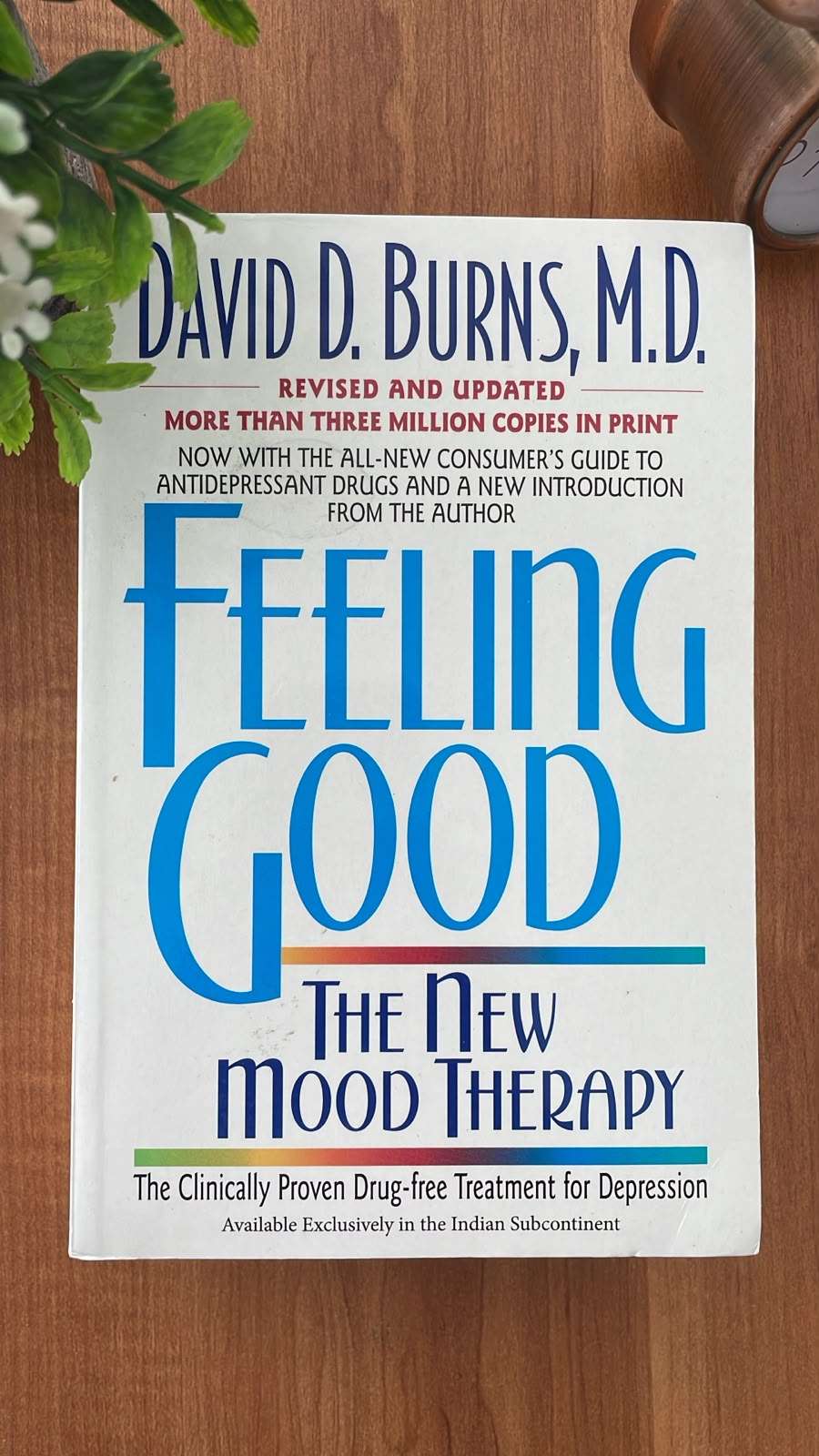
A Practical Guide to Understanding Feeling Good: The New Mood Therapy
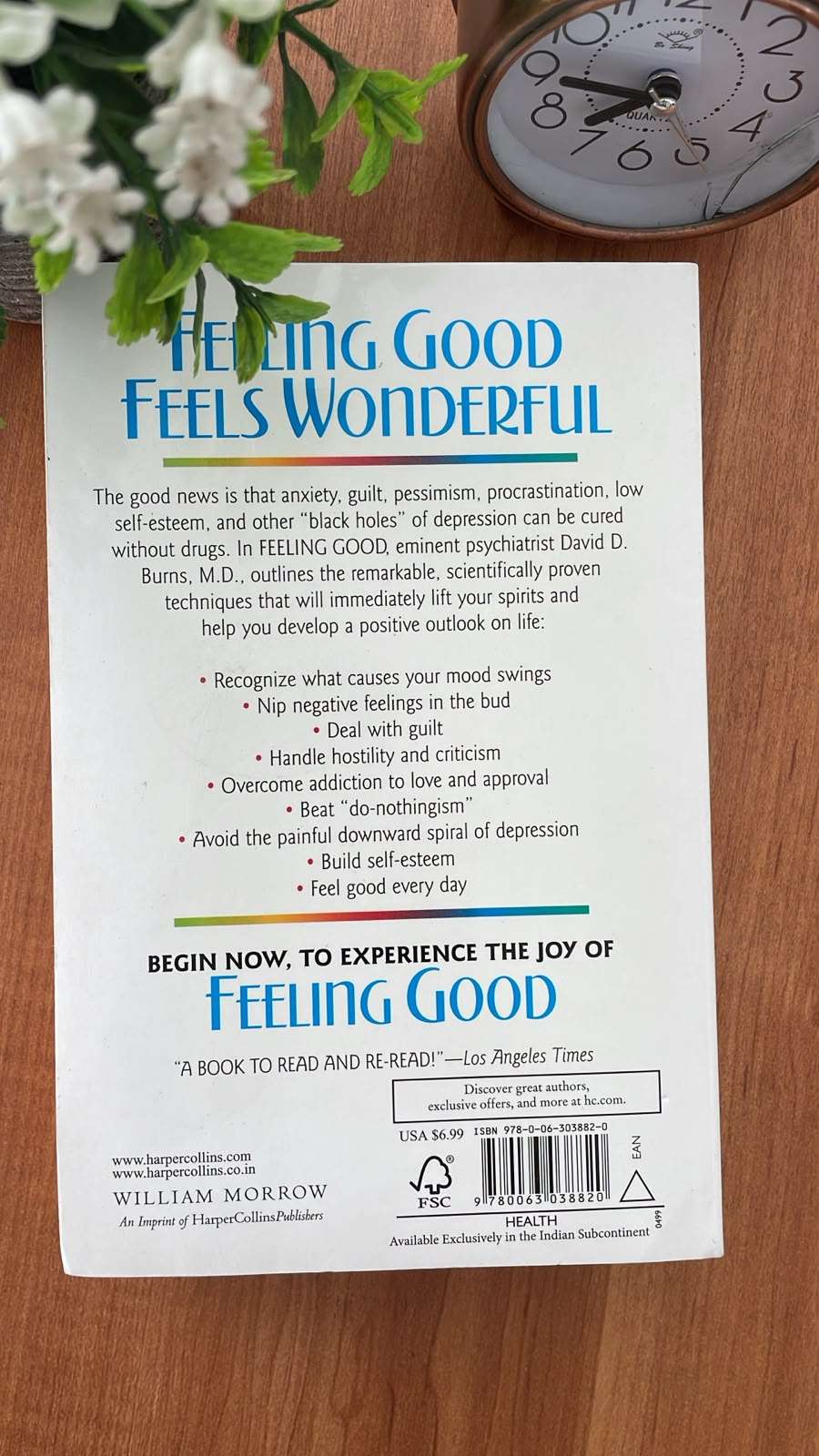
by David D. Burns, M.D. — A foundational self‑help and psychology book that teaches how our thoughts influence our emotions and how to change unhelpful thinking patterns to improve mood and well‑being.
Instead of viewing depression and anxiety as mysterious states beyond control, Feeling Good presents emotional health as a skill that can be learned and practiced. The core message is that negative thoughts — not external events — are the main drivers of feelings like sadness, anxiety, and low self‑esteem, and by identifying and correcting these thought patterns, people can transform how they feel.
Rather than offering quick platitudes, the book teaches readers how to become their own emotional therapists through specific techniques grounded in cognitive‑behavioral therapy (CBT).
Emotional Well‑Being Begins With Changing Thoughts
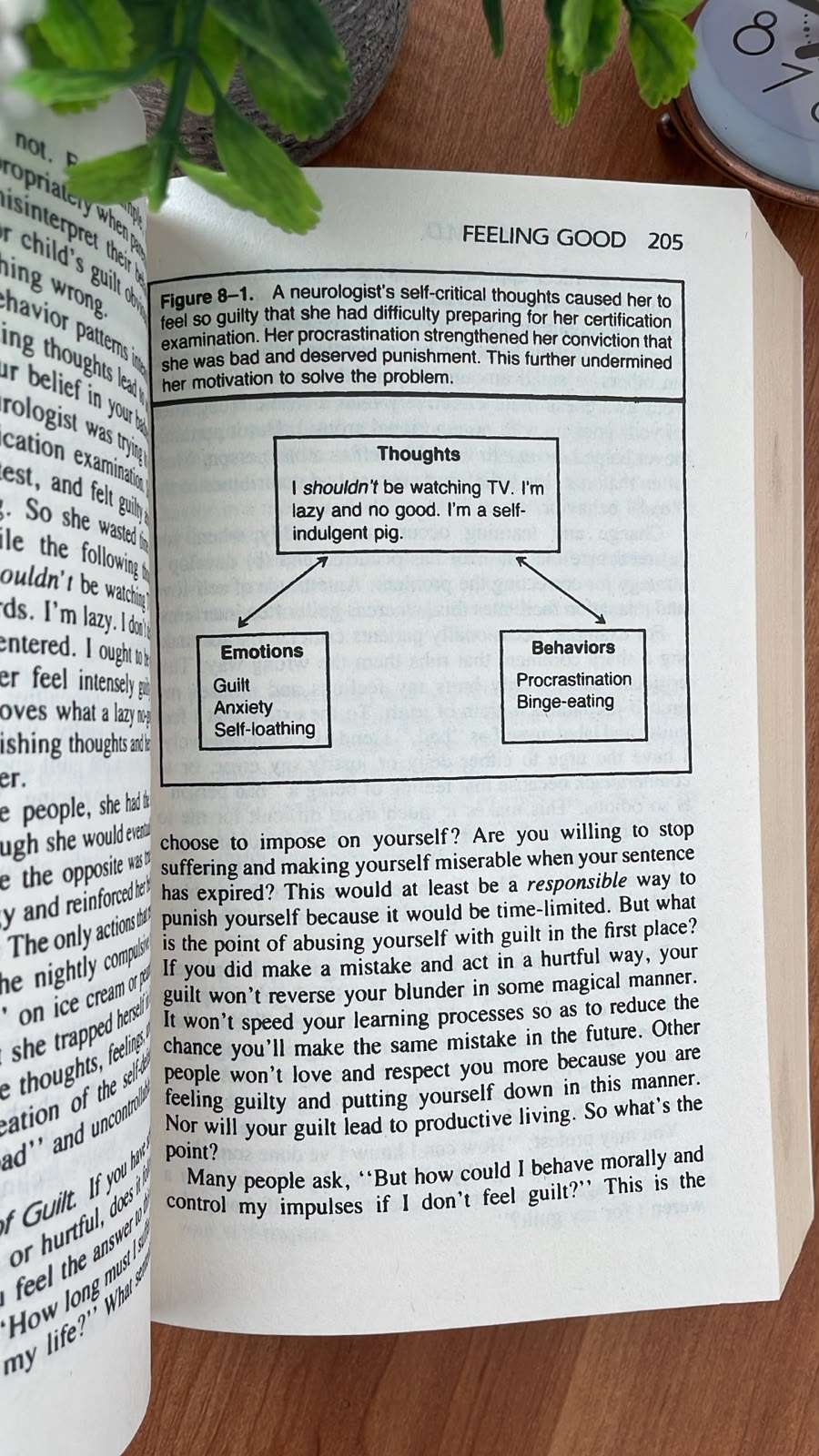
One of the earliest lessons in Feeling Good is realizing that your thoughts shape your emotions. The book explains that our emotional reactions are usually triggered by the way we interpret situations — not by the situations themselves. When people assume external events dictate how they feel, they overlook how powerful their own thinking patterns are.
Burns emphasizes that recognizing and reshaping thoughts is not just for those with clinical depression — it’s useful for everyday challenges like negative self‑talk, anxiety, guilt, and procrastination
The Core Framework Explained
The book organizes its guidance into practical cognitive‑behavioral strategies that readers can apply step by step:
1. Identify Cognitive Distortions
Burns introduces common patterns of irrational thinking — such as all‑or‑nothing thinking, overgeneralization, mental filtering, and emotional reasoning — that distort reality and fuel negative emotions. Recognizing these patterns is the first step toward feeling better.
2. Change Your Thinking to Change Your Mood
The central premise is that changing thoughts changes feelings. Readers learn tools to challenge and reframe negative thoughts into more balanced, realistic ones, which in turn improves mood.
3. Practical Techniques and Exercises
Burns provides a series of exercises — such as thought logs, mood diaries, and the “triple‑column technique” (writing negative thoughts, identifying distortions, and creating healthier alternatives) — that guide readers through the process of self‑examination and cognitive restructuring.
4. Addressing Specific Mood Challenges
The book applies CBT techniques to a range of issues including depression, anxiety, guilt, self‑esteem, procrastination, and interpersonal conflict. By teaching readers how to dissect and reframe thought patterns, Feeling Good helps reduce the emotional impact of these challenges.
Because these tools are grounded in evidence and offer clear, actionable steps, the book feels practical and empowering, not abstract or purely theoretical.
Communication, Self‑Reflection, and Internal Change
A major strength of Feeling Good is its focus on active self‑reflection and self‑monitoring. Rather than telling readers to “think positively,” Burns provides tools to evaluate thoughts critically, understand where unhelpful thinking arises, and replace it with more effective reasoning.
This approach encourages emotional intelligence and self‑responsibility — readers learn to notice automatic negative thoughts and manage them before they grow into overwhelming emotions.
Handling Negative Patterns and Resilience
No life is free from setbacks, and Feeling Good doesn’t deny difficulty. Instead, it teaches methods to interrupt negative thought cycles and respond to challenges with clear‑headed thinking. By examining evidence, questioning assumptions, and actively reframing thoughts, readers learn resilience and gain tools to manage mood intentionally.
Rather than avoiding discomfort, the book invites readers to understand and transform their internal dialogue — turning self‑criticism into self‑supportive thought patterns.
Relevance and Impact Today
Although first published in 1980, Feeling Good remains widely recommended and influential in the field of mental health and self‑help. It played a major role in popularizing cognitive‑behavioral therapy outside clinical settings and is frequently recommended for people struggling with mood disorders and negative thinking.
The techniques have been shown effective not only in clinical trials but also as self‑help tools for general mood improvement and emotional regulation.
Who Should Read This Book
This book is ideal for:
- Anyone struggling with negative thought patterns, anxiety, or depression
- Readers interested in evidence‑based self‑improvement
- People wanting practical tools for emotional self‑management
- Those curious about how thoughts influence feelings in daily life
The lessons reach beyond clinical psychology — they apply to daily challenges like self‑confidence, relationships, work stress, and personal growth.
Lasting Impact
After reading Feeling Good, many readers feel more in control of their emotional lives. Instead of being at the mercy of mood swings or negative self‑talk, learners gain skills to identify distortions, confront them, and consciously reshape their thinking.
Ultimately, the book teaches that lasting emotional well‑being comes from understanding and changing the way you think — a practical approach with effects that extend beyond temporary relief into enduring mood resilience and improved quality of life.
Here are the links you asked for the book Feeling Good: The New Mood Therapy by David D. Burns:
BookLounge (Sri Lanka) Link
https://booklounge.lk/feeling-good-the-new-mood-therapy-by-david-d-burns/ — Feeling Good: The New Mood Therapy on BookLounge Sri Lanka, where you can view details and order the book online.
Wikipedia Link
https://en.wikipedia.org/wiki/Feeling_Good%3A_The_New_Mood_Therapy — Wikipedia page about Feeling Good: The New Mood Therapy, its content, impact, and its role in popularizing cognitive behavioural therapy.





Reviews
There are no reviews yet.