


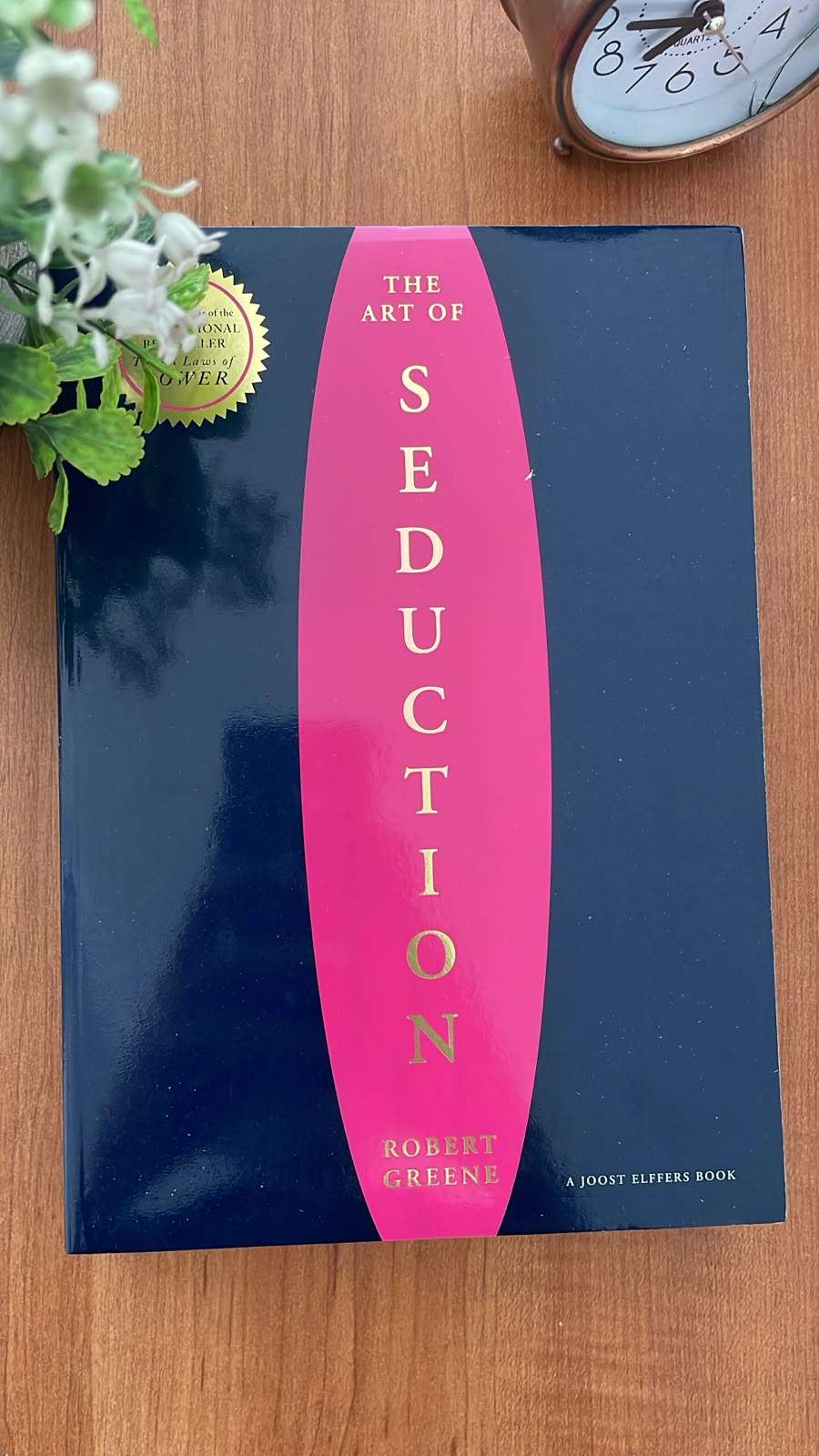







Description
A Strategic Exploration of Influence, Attraction, and Power
The Art of Seduction by Robert Greene is a detailed study of persuasion, psychological influence, and interpersonal power dynamics. Unlike conventional dating or relationship advice, the book treats seduction as a strategic social skill rooted in psychology, historical patterns, and human vulnerability. Greene argues that seduction is not merely about romance—it is about influence, emotional intelligence, timing, and control over perception.
First published in 2001, the book blends historical case studies, literary examples, and psychological analysis to explain how certain individuals throughout history mastered the art of captivating others. Greene positions seduction as a subtle and indirect form of power, often more effective than force or authority.
Core Premise
The central thesis of The Art of Seduction is that people are drawn not to obvious desire or aggression, but to mystery, confidence, and emotional stimulation. Seduction operates through suggestion rather than demand. It involves creating anticipation, appealing to fantasies, and carefully managing one’s image.
Greene emphasizes that seduction is psychological before it is physical. It requires understanding human insecurities, ego needs, and hidden desires. By recognizing these emotional triggers, a seducer can gradually build attraction and influence without appearing forceful.
The Nine Seductive Character Types
One of the book’s defining features is its classification of nine “seducer types,” each representing a different style of influence. Examples include:
The Siren – Uses charm, sensuality, and presence to create fascination.
The Rake – Projects intense desire and bold pursuit, making targets feel uniquely wanted.
The Ideal Lover – Reflects back the fantasies and emotional needs of the other person.
The Charmer – Wins people over through attentiveness, validation, and warmth.
The Coquette – Maintains emotional distance, creating tension and intrigue.
Greene explains that individuals may embody one dominant type or blend traits strategically depending on context.
The Seductive Process
The book outlines a multi-stage process of seduction, treating it as a carefully orchestrated campaign rather than spontaneous chemistry. Key stages include:
Choosing the Right Target – Identify vulnerabilities, unmet needs, or emotional gaps.
Creating a False Sense of Security – Appear non-threatening and approachable.
Building Mystery and Desire – Use ambiguity, unpredictability, and symbolic gestures.
Deepening Emotional Connection – Encourage confession, shared secrets, and intimacy.
Maintaining Control – Avoid overexposure; sustain intrigue even after success.
Throughout these stages, Greene stresses patience, timing, and restraint. Overeagerness weakens influence, while subtlety strengthens it.
Psychological Foundations
Greene draws heavily on historical figures such as Cleopatra, Casanova, and Napoleon to illustrate how seduction operates beyond romance—in politics, leadership, and social dominance. The book also examines archetypes from literature and philosophy, presenting seduction as a universal human pattern tied to ego validation and emotional dependency.
The underlying psychology revolves around:
Ego stimulation
Projection and fantasy
Emotional tension and release
Power asymmetry
Desire for validation
Seduction, in Greene’s framework, is a dance between attention and withdrawal, promise and delay.
Ethical Considerations
While The Art of Seduction provides deep insight into influence strategies, it has generated debate due to its manipulative undertones. Critics argue that it encourages emotional exploitation. Supporters counter that the book is descriptive rather than prescriptive—it reveals the mechanics of influence so readers can both recognize and resist manipulation.
Understanding these dynamics can enhance awareness, emotional intelligence, and social strategy, but the ethical application depends entirely on the reader’s intent.
Writing Style and Structure
Greene’s prose is analytical yet dramatic. Each chapter combines storytelling with psychological commentary, followed by practical principles and cautionary notes. The book’s tone is authoritative and strategic, aligning with Greene’s broader body of work on power and human behavior.
Who Should Read This Book
The Art of Seduction is suitable for:
Readers interested in psychology and social dynamics
Individuals studying persuasion and influence
Professionals seeking insight into charisma and personal branding
Those exploring historical patterns of interpersonal power
Lasting Impact
The book remains influential in discussions of charisma, leadership, dating strategy, and personal influence. Whether viewed as a guide to manipulation or a manual for understanding human attraction, The Art of Seduction compels readers to think critically about desire, ego, and the subtle forms of power that shape relationships.
Explore more mystery and thriller novels:
https://booklounge.lk/product-category/Non-Fiction/
Learn more about the author — Robert Greene:
🔗 Official author website: https://powerseductionandwar.com/





Reviews
There are no reviews yet.