









Description
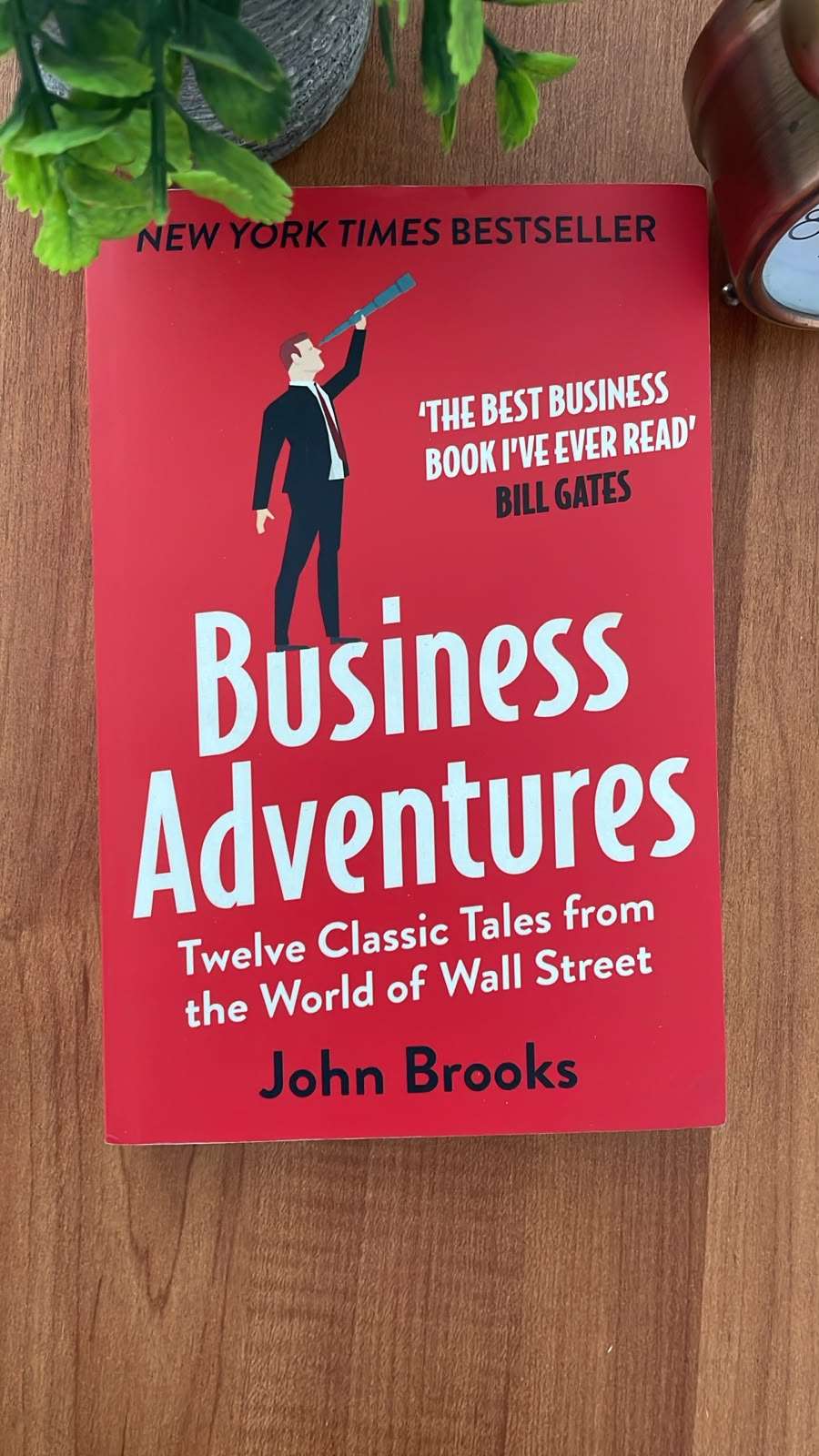
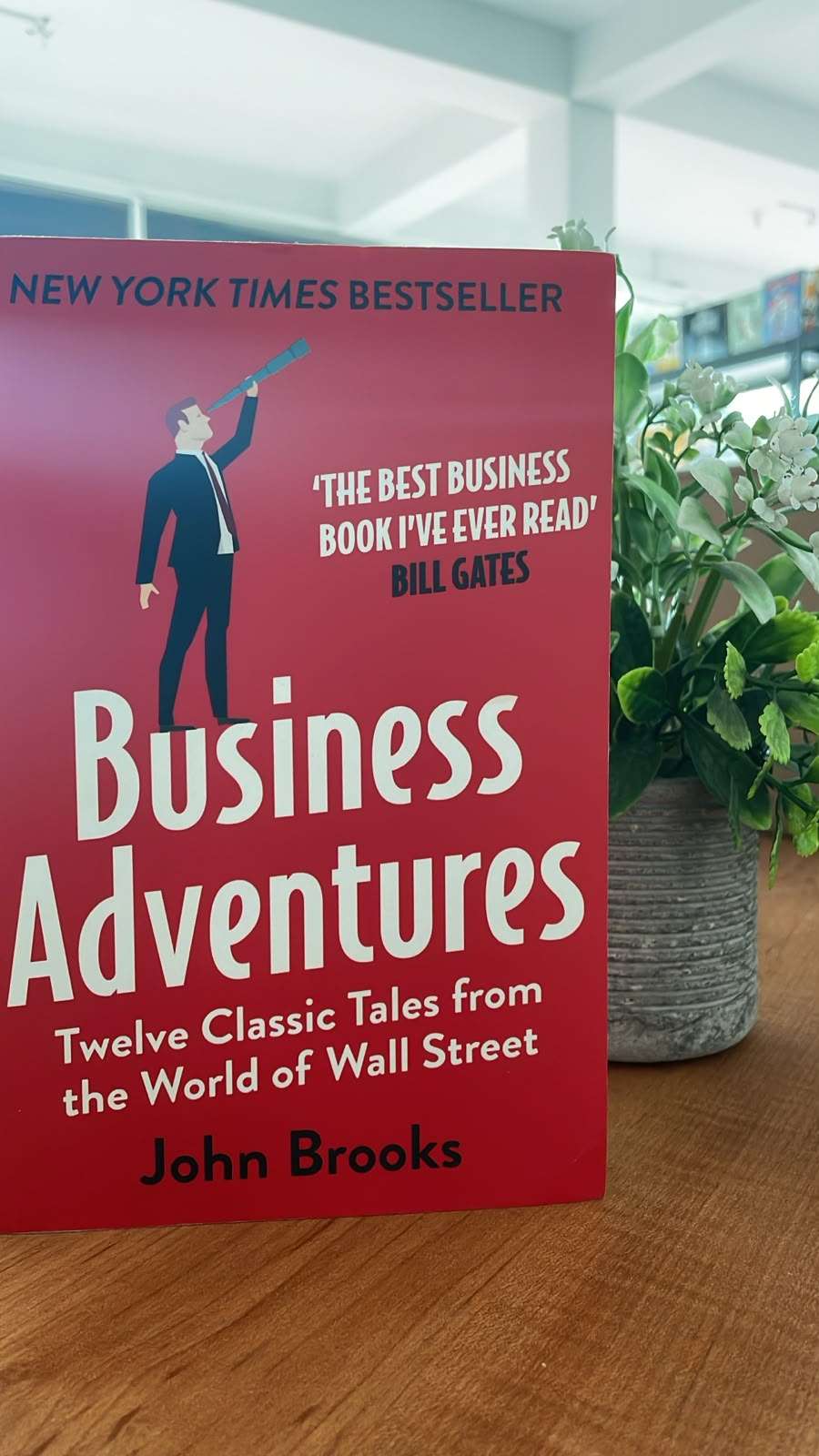
Timeless Lessons in Business and Human Behavior: Business Adventures by John Brooks
Business Adventures is a classic collection of 12 stories by John Brooks that explores pivotal events in American business history. The book examines the interplay of strategy, leadership, decision-making, and human behavior in corporate life. Notably, Bill Gates and Warren Buffett have praised it as essential reading for understanding business dynamics.
Instead of offering theoretical management advice, Brooks tells real-world stories, illustrating how human choices, errors, and ingenuity shape outcomes in business.
Learning from Historical Business Events
A central lesson of Business Adventures is that business is deeply human, and understanding people—leaders, employees, investors—is as important as understanding finance or strategy. Brooks highlights that even in large corporations, decisions often hinge on human psychology, ethics, and judgment.
Through these stories, readers see:
The consequences of overconfidence, hubris, and ethical lapses
How leadership style affects corporate success and failure
The importance of timing, communication, and foresight in business decisions
The book demonstrates that studying history provides timeless lessons for modern entrepreneurs, managers, and investors.
Key Themes and Lessons
Brooks organizes the book into 12 case studies, each illustrating principles of business and human behavior. Key lessons include:
The Limits of Management – Even brilliant strategies can fail due to execution or human error.
Risk and Reward – Bold decisions may yield success or disaster; understanding risk is crucial.
Corporate Governance – Leadership, accountability, and ethical frameworks determine sustainability.
Market Dynamics – Timing, perception, and market psychology influence corporate outcomes.
Innovation vs. Tradition – Adapting to change is necessary, but not without risk.
Communication Matters – Miscommunication or poor transparency can escalate crises.
Human Fallibility – Ego, greed, and misjudgment often drive business failures.
Resilience and Recovery – Companies can recover through strategic insight, discipline, and learning from mistakes.
Through these lessons, the book conveys that business success is a mixture of strategic planning, ethics, adaptability, and human judgment.
Narrative Style and Engagement
A major strength of Business Adventures is Brooks’ storytelling approach. Each chapter reads like a narrative, blending detailed reporting with character insight, which makes complex business events accessible and engaging.
The book balances:
Historical accuracy with narrative flair
Analysis of corporate strategy with human psychology
Crisis and drama with reflective lessons
This style allows readers to learn from history without feeling like they are reading a textbook.
Relevance in the Modern World
Although written decades ago, the book is highly relevant because it addresses timeless business principles:
Leadership decisions, ethical dilemmas, and strategic planning remain critical
Market psychology, risk assessment, and crisis management are as important now as ever
Understanding human behavior in organizations is central to navigating modern corporate challenges
The lessons apply equally to startups, established corporations, and investors, highlighting that history often repeats itself in business.
Who Should Read This Book
Business Adventures is ideal for:
Entrepreneurs, executives, and managers seeking historical business insight
Investors wanting to understand corporate decision-making and market behavior
Students of business, economics, or organizational psychology
Anyone interested in stories about leadership, ethics, and human behavior in high-stakes situations
The book combines entertainment, historical insight, and practical business wisdom.
Explore more business and strategy works here: BookLounge Non-Fiction Section
Learn more about the author: John Brooks Biography
Lasting Impact
After reading Business Adventures, many readers gain a deeper understanding of how decisions, character, and context shape business outcomes. Brooks shows that success and failure often hinge on human factors—judgment, ethics, resilience, and adaptability—rather than purely technical or financial knowledge.
Ultimately, the book teaches that studying business history is essential for learning leadership, strategy, and human insight, and that real-world examples provide lessons no theory alone can offer.





Reviews
There are no reviews yet.