








Description
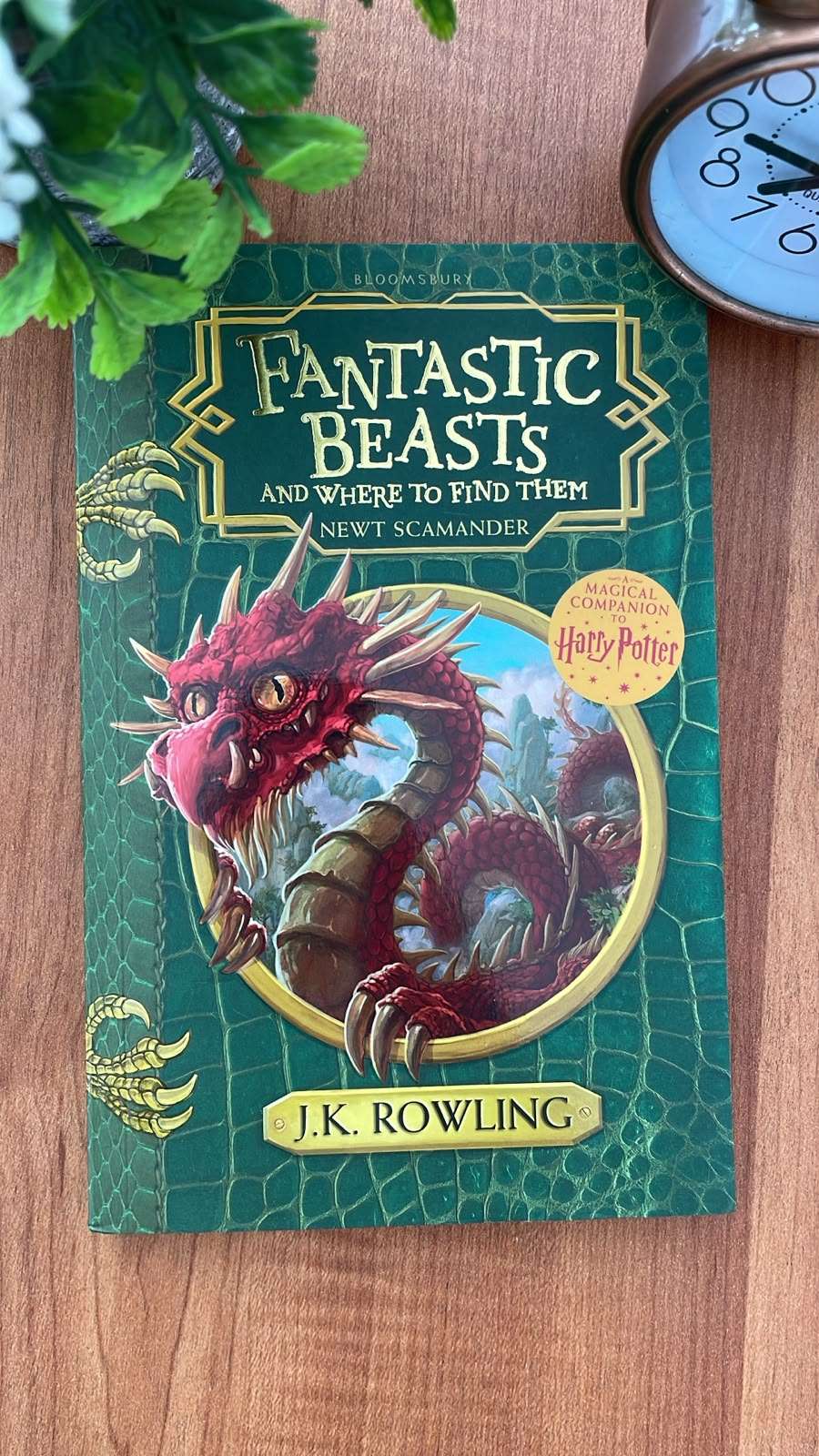
A Practical Guide to Understanding Fantastic Beasts and Where to Find Them
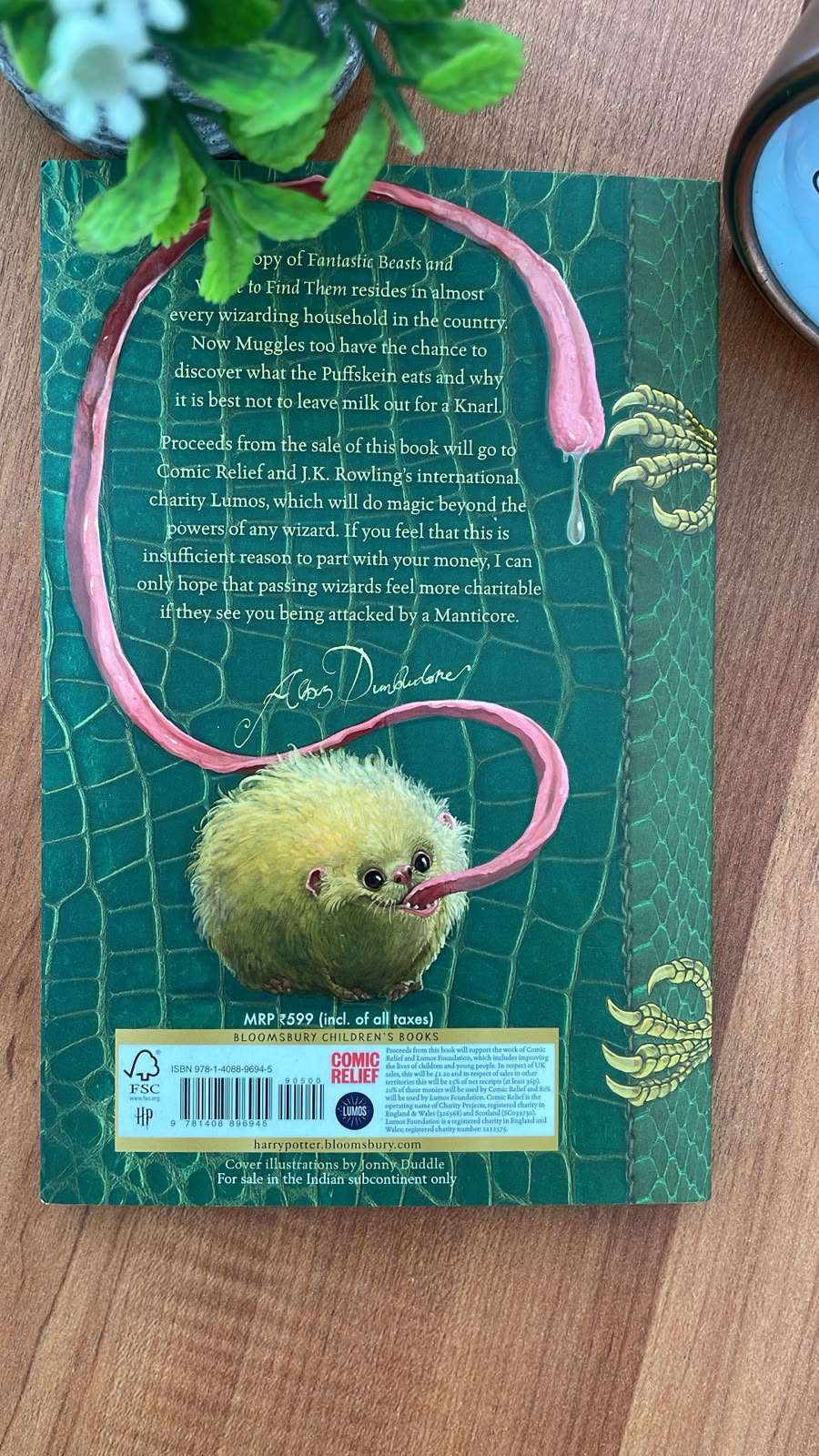
by J.K. Rowling (as Newt Scamander) — A magical encyclopaedia and companion‑book that introduces readers to the fascinating creatures inhabiting the wizarding world.
Instead of following a single narrative storyline like a novel, Fantastic Beasts and Where to Find Them serves as a comprehensive guide to magical creatures, blending imaginative fantasy with worldbuilding detail. The central idea is to document and describe the biology, behaviour, habitats, and dangers of magical beasts — offering fans both lore and context for the broader wizarding world.
Rather than telling a personal journey, the book teaches curiosity, respect for life, and appreciation for diversity through the lens of magical wildlife.
Magizoology Begins With Curiosity
One of the earliest themes in Fantastic Beasts is inspired exploration. Presented as the work of renowned fictional magizoologist Newt Scamander, the book treats creature‑study as a serious discipline. Scamander’s early travels and research form the foundation of the creature entries, encouraging readers to approach magical fauna with thoughtful observation, compassion, and scientific curiosity.
In this way, the book invites fans to shift from spectators of fantasy to active learners about a rich, imaginative ecosystem — much like learning emotional awareness in 8 Rules of Love.
The Creature Compendium Explained
Unlike thematic chapters, this guide organises its content alphabetically by creature entry. Each entry includes:
- Creature name and classification (danger level to wizards and non‑magical people alike)
- Habitat and behaviour descriptions
- Special traits and magical attributes
- Notes on interactions with humans or wizards
In its 2001 original form, the book contains descriptions of 85 magical species ranging from harmless to highly dangerous — including both well‑known beasts and wholly original creations.
Examples of Notable Entries
- Hippogriff — proud, eagle‑like creatures that demand respect
- Basilisk — deadly serpents capable of lethal gaze
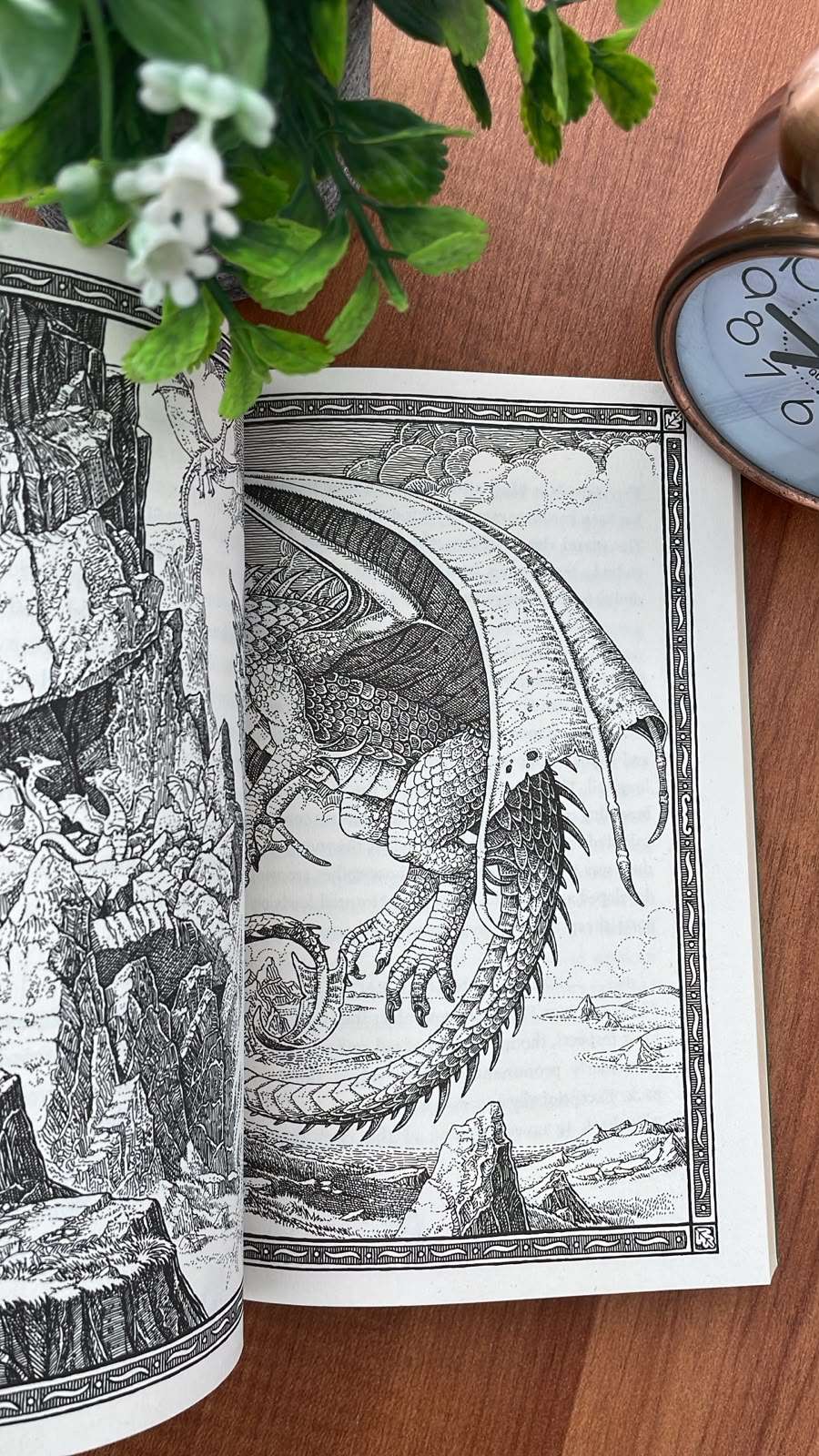
- Dragons — multiple breeds with distinct magic and temperaments
- Crup and Doxy — small creatures with unique behaviours and risks
Rather than mere lists, these entries enrich worldbuilding and deepen readers’ understanding of wizarding ecology.
Narrative Enhancements and Annotations
Later editions add margin notes and whimsical comments purportedly from Harry, Ron, and Hermione — turning the guide into both reference and playful fan‑friendly reading. These annotations provide context, humour, and personal reactions that connect the encyclopaedia to the broader narrative of the Harry Potter series.
Communication and Imagination
A major strength of Fantastic Beasts is how it blends encyclopedic detail with imaginative fantasy. While grounded in the fictional taxonomy of magical beasts, it encourages readers — especially younger fans — to engage with concepts of ecology, categorisation, and respect for beings different from themselves.
Much like learning communication skills in relationship books, this text fosters curiosity and conscientious engagement with a rich fictional ecosystem.
Handling Fantasy and Reality
No real animal behaviour matches the magical creatures here, but the book delicately balances entertaining fantasy with lifelike detail. This approach makes the content accessible to fans while reinforcing world logic and consistency across the wizarding canon.
By presenting creatures with behaviour, habitats, and classification, the book encourages a critical yet imaginative approach to the magical world — opening space for deeper engagement with associated films and later works.
Relevance for Fans and Beyond
This book is ideal for:
- Harry Potter fans who want deeper lore about magical creatures
- Readers curious about imaginative worldbuilding
- **Younger audiences interested in fantasy encyclopaedias
- Anyone wanting creative, playful educational reading
While not a narrative novel, the entries provide contextual richness that complements the main Harry Potter books and related films.
Lasting Impact
After engaging with Fantastic Beasts and Where to Find Them, many readers come away with:
- A richer appreciation of magical ecology
- Heightened imagination in approaching fantasy
- A deeper connection to the broader Harry Potter universe
Ultimately, this book teaches that knowledge and respect for other beings — magical or otherwise — enrich understanding and wonder in storytelling. (The Rowling Library)
BookLounge Link
https://booklounge.lk/fantastic-beasts-and-where-to-find-them-by-j-k-rowling/
Wikipedia Link (book)
https://en.wikipedia.org/wiki/Fantastic_Beasts_and_Where_to_Find_Them_%28book%29 (Wikipedia)





Reviews
There are no reviews yet.