








Description
From Third World to First — A Blueprint for Nation-Building and Leadership
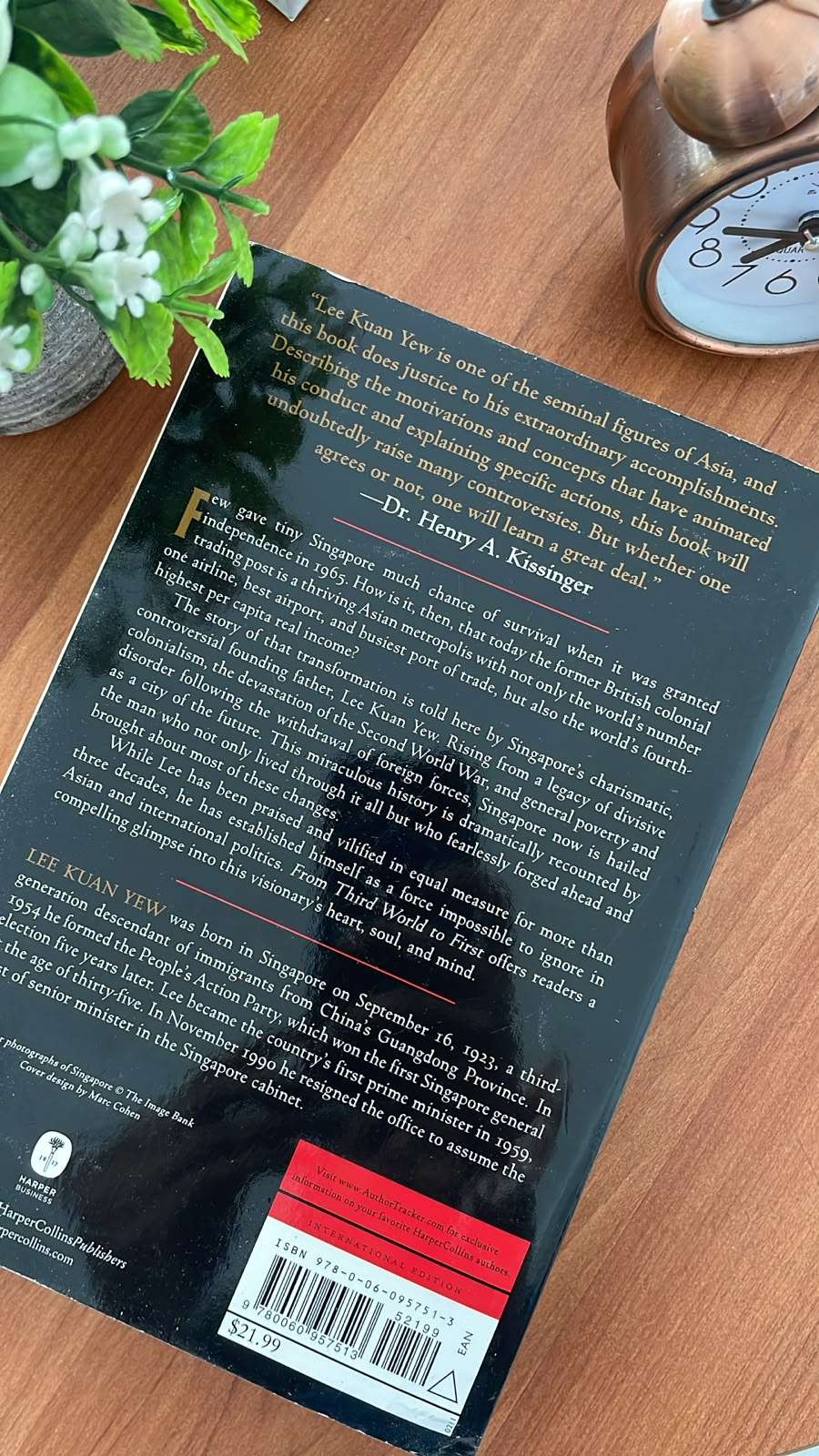
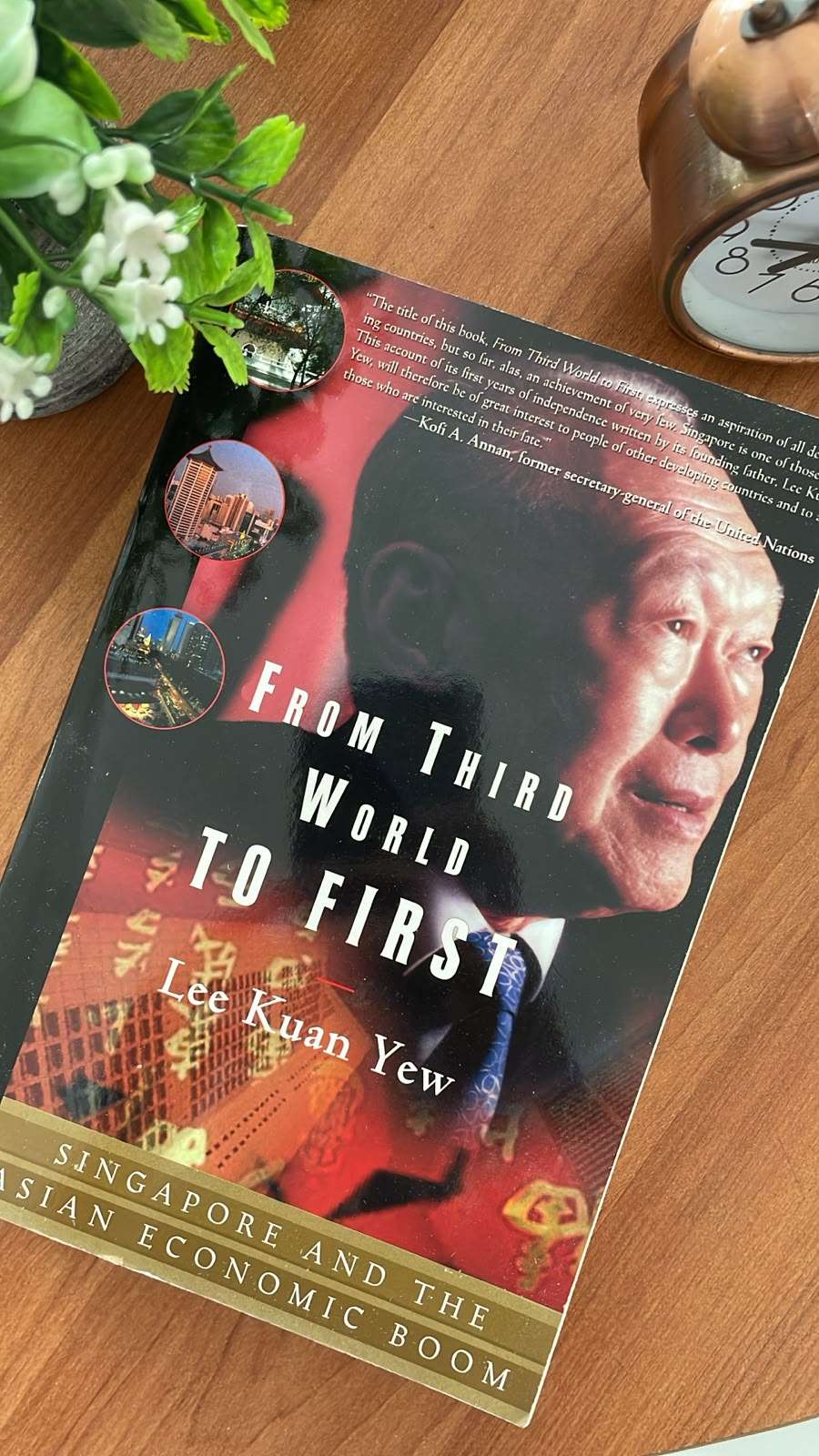
From Third World to First is the political memoir of Lee Kuan Yew, the founding Prime Minister of Singapore. Rather than a theoretical book on economics or politics, it presents a firsthand account of how a small, resource-poor nation transformed itself into one of the world’s most prosperous and stable economies.
Instead of focusing on ideology, the book frames development as a result of discipline, strategic planning, anti-corruption governance, and long-term thinking. The central idea is clear: national success does not happen by luck — it requires vision, resilience, and consistent execution.
Nation-Building Begins with Survival
When Singapore became independent in 1965, it faced enormous challenges:
- No natural resources
- High unemployment
- Ethnic tensions
- Regional insecurity
- Separation from Malaysia
Lee Kuan Yew explains that the early years were not about ambition but survival. The first priority was political stability and economic credibility. Without order and trust in government institutions, growth would have been impossible.
This section of the book highlights a key lesson: stability precedes prosperity.
Leadership Through Pragmatism
One of the strongest themes in From Third World to First is pragmatic governance. Rather than adhering strictly to Western democracy models or socialist frameworks, Lee adopted policies that worked specifically for Singapore’s context.
Readers learn how Singapore:
- Attracted foreign investment
- Built world-class infrastructure
- Developed a corruption-free civil service
- Invested heavily in education
- Enforced strict rule of law
The book demonstrates that policy effectiveness matters more than political labels.
Economic Transformation Explained
Lee provides detailed insight into how Singapore shifted from a struggling port city to a global financial and manufacturing hub.
Key strategies included:
- Creating an investor-friendly climate
- Developing export-oriented industries
- Maintaining fiscal discipline
- Building strong international trade relationships
Rather than short-term political gains, the government prioritized long-term economic resilience. This strategic patience mirrors corporate leadership principles — consistent policy builds confidence over time.
Managing Diversity and Social Harmony
Singapore is a multi-ethnic society made up of Chinese, Malay, Indian, and other communities. Lee addresses the difficulty of maintaining unity in a diverse nation.
Policies promoting:
- Multiracial housing integration
- Equal opportunities in education
- Meritocracy over favoritism
were designed to prevent ethnic conflict and ensure national identity.
The book emphasizes that social cohesion is as important as economic growth.
Discipline, Law, and Governance
A controversial but central aspect of the book is Lee’s defense of strict laws and firm governance. He argues that freedom without order can destabilize young nations.
The government’s strong stance on:
- Corruption
- Crime
- Public disorder
was intended to build trust in institutions and attract global business partners.
Readers are invited to consider an important question:
How much structure is necessary for national progress?
Global Diplomacy and Strategic Alliances
The book also explores Singapore’s foreign relations — balancing powerful neighbors and global superpowers while protecting national sovereignty.
Lee details relationships with leaders from the United States, China, and regional Southeast Asian nations. His diplomatic approach reflects strategic realism rather than emotional politics.
The lesson here is clear: small nations must think strategically to survive among giants.
Long-Term Vision and Institutional Strength
Beyond economic growth, Lee focused on:
- Building efficient public institutions
- Developing future leadership pipelines
- Ensuring clean governance systems
He believed strong systems outlast individual leaders. This institutional mindset explains how Singapore maintained stability even after leadership transitions.
Who Should Read This Book
From Third World to First is ideal for:
- Readers interested in political leadership and governance
- Entrepreneurs studying long-term strategy
- Policy makers and economics students
- Anyone curious about Singapore’s transformation
- Readers who appreciate candid, experience-based memoirs
The book offers lessons not only for nations but for organizations and individuals who value structured growth.
Lasting Impact
After reading From Third World to First, many readers gain a deeper understanding of:
- How disciplined leadership shapes national destiny
- Why anti-corruption systems are foundational
- The importance of education and human capital
- The value of long-term strategic thinking
Ultimately, the book teaches that progress requires clarity of vision, tough decisions, and unwavering commitment to stability and development.
BookLounge Sri Lanka Link
https://booklounge.lk/from-third-world-to-first-by-lee-kuan-yew/ (The Book Lounge)
This BookLounge page shows the Sri Lanka availability and purchase options for the biography/memoir detailing Singapore’s transformation under Lee Kuan Yew. (The Book Lounge)
Wikipedia Link (Author Page with Book Mention)
There isn’t a separate Wikipedia page for the book itself, but the book is referenced in the author’s Wikipedia article.
https://en.wikipedia.org/wiki/Lee_Kuan_Yew (Wikipedia)





Reviews
There are no reviews yet.