









Description
A Practical Guide to Power, Politics, and Survival — A Game of Thrones by George R. R. Martin
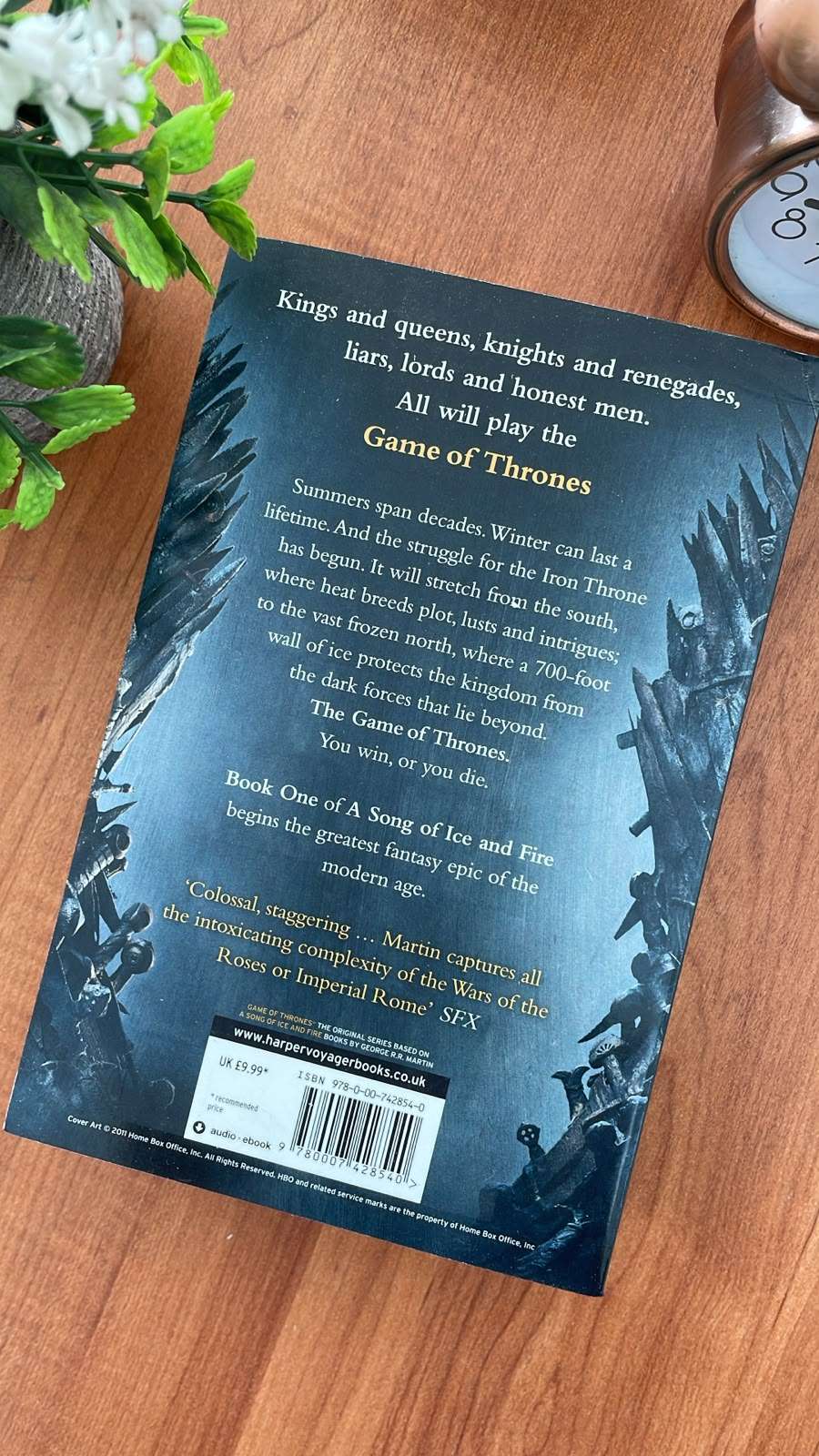
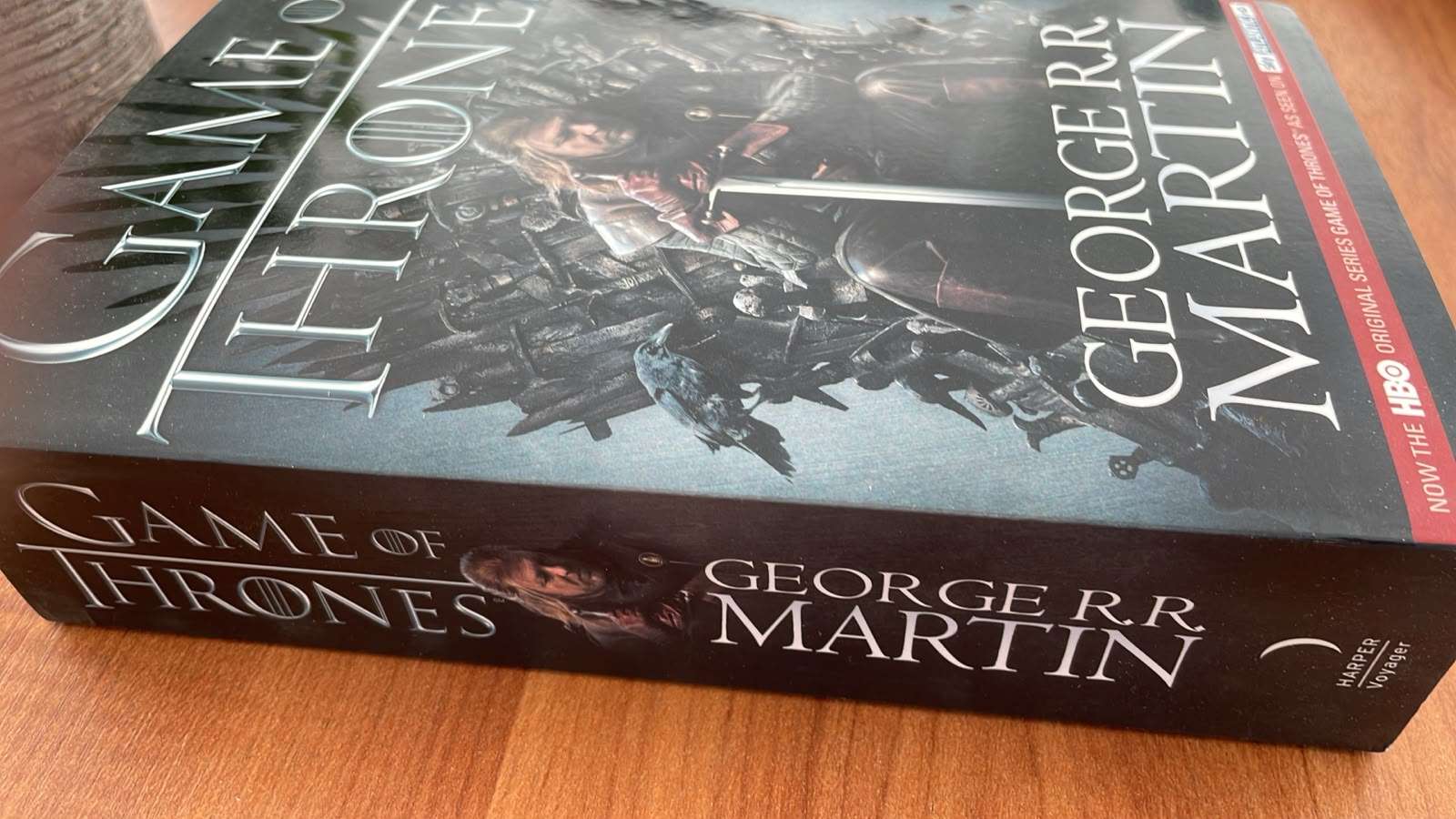
A Game of Thrones is the first novel in the epic fantasy series A Song of Ice and Fire. Written by George R. R. Martin, the book presents a complex world of political intrigue, noble families, and dangerous ambition. Set across the fictional continents of Westeros and Essos, the story explores how power, loyalty, and survival shape the choices of individuals and kingdoms.
Instead of presenting a traditional fantasy story of clear heroes and villains, A Game of Thrones focuses on morally complex characters. The central idea of the novel is that power struggles and personal ambition often come at a great cost. Alliances shift, loyalties are tested, and survival depends on intelligence as much as strength.
Rather than following a single protagonist, the story unfolds through multiple perspectives, allowing readers to see how each character navigates the dangerous “game” of politics and power.
The World of Westeros
One of the defining features of A Game of Thrones is its detailed world-building. Westeros is divided among powerful noble houses that constantly compete for influence and control.
The Iron Throne—the symbol of ultimate authority—sits at the center of this struggle. Whoever controls it rules the Seven Kingdoms.
Major noble families include:
- House Stark, known for honor and loyalty
- House Lannister, famous for wealth and political power
- House Baratheon, the royal family ruling the throne
- House Targaryen, the former dynasty seeking to reclaim power
Through these families, the novel explores how ambition, loyalty, and betrayal shape history.
Power and Political Strategy
At its core, A Game of Thrones is a story about politics. Characters constantly negotiate alliances, betray enemies, and protect their interests.
George R. R. Martin shows that leadership often requires difficult choices. Some characters rely on honor and fairness, while others use manipulation and strategy.
Readers witness how power can corrupt individuals and how political decisions affect entire kingdoms.
The famous idea behind the story is simple but powerful: when you play the game of thrones, you either win or you die.
Multiple Perspectives and Complex Characters
Unlike many fantasy novels, A Game of Thrones tells its story through the viewpoints of several characters. Each chapter follows a different perspective, revealing new information and motivations.
This narrative structure allows readers to understand the inner struggles of many individuals—from noble leaders to outcasts.
Characters such as Eddard Stark, Daenerys Targaryen, and Tyrion Lannister each face different challenges while navigating the political chaos of the realm.
Because of these varied perspectives, the story feels layered and unpredictable.
Honor, Loyalty, and Betrayal
One of the strongest themes in A Game of Thrones is the tension between honor and survival.
Some characters believe strongly in loyalty and moral duty. Others believe that survival requires cunning and flexibility.
This conflict drives many of the novel’s dramatic moments. Characters must decide whether to follow their principles or adapt to the ruthless world around them.
The story repeatedly shows that trust can be fragile and alliances can change quickly.
Threats Beyond the Kingdom
While political battles dominate much of the story, another danger slowly emerges in the far north. Beyond the great Wall that protects the kingdom lies a mysterious and ancient threat.
Members of the Night’s Watch guard this massive barrier, defending the realm from supernatural forces and hostile creatures.
This looming danger suggests that the conflicts among noble houses may distract them from a much greater challenge facing humanity.
Fantasy, Realism, and Dark Storytelling
George R. R. Martin’s writing style combines fantasy elements—such as dragons and ancient magic—with realistic political drama.
The story does not shy away from harsh consequences. Characters face real risks, and major events often occur unexpectedly.
Because of this realism, the novel feels intense and unpredictable compared with traditional fantasy stories.
Who Should Read This Book
A Game of Thrones is ideal for:
- Readers who enjoy epic fantasy worlds
- Fans of political intrigue and strategy
- Readers interested in complex characters and moral dilemmas
- Anyone who enjoys long, immersive storytelling
The book appeals both to fantasy readers and to those interested in stories about leadership, power, and human ambition.
Explore More Fantasy Books
https://booklounge.lk/product-category/fiction/
Learn More About the Author
https://en.wikipedia.org/wiki/George_R._R._Martin
Lasting Impact
After reading A Game of Thrones, many readers appreciate the depth and realism of its characters and political conflicts. The novel reshaped modern fantasy by showing that epic stories can explore complex human motivations.






Reviews
There are no reviews yet.