







Description
A Powerful Story of Family, History, and Magic
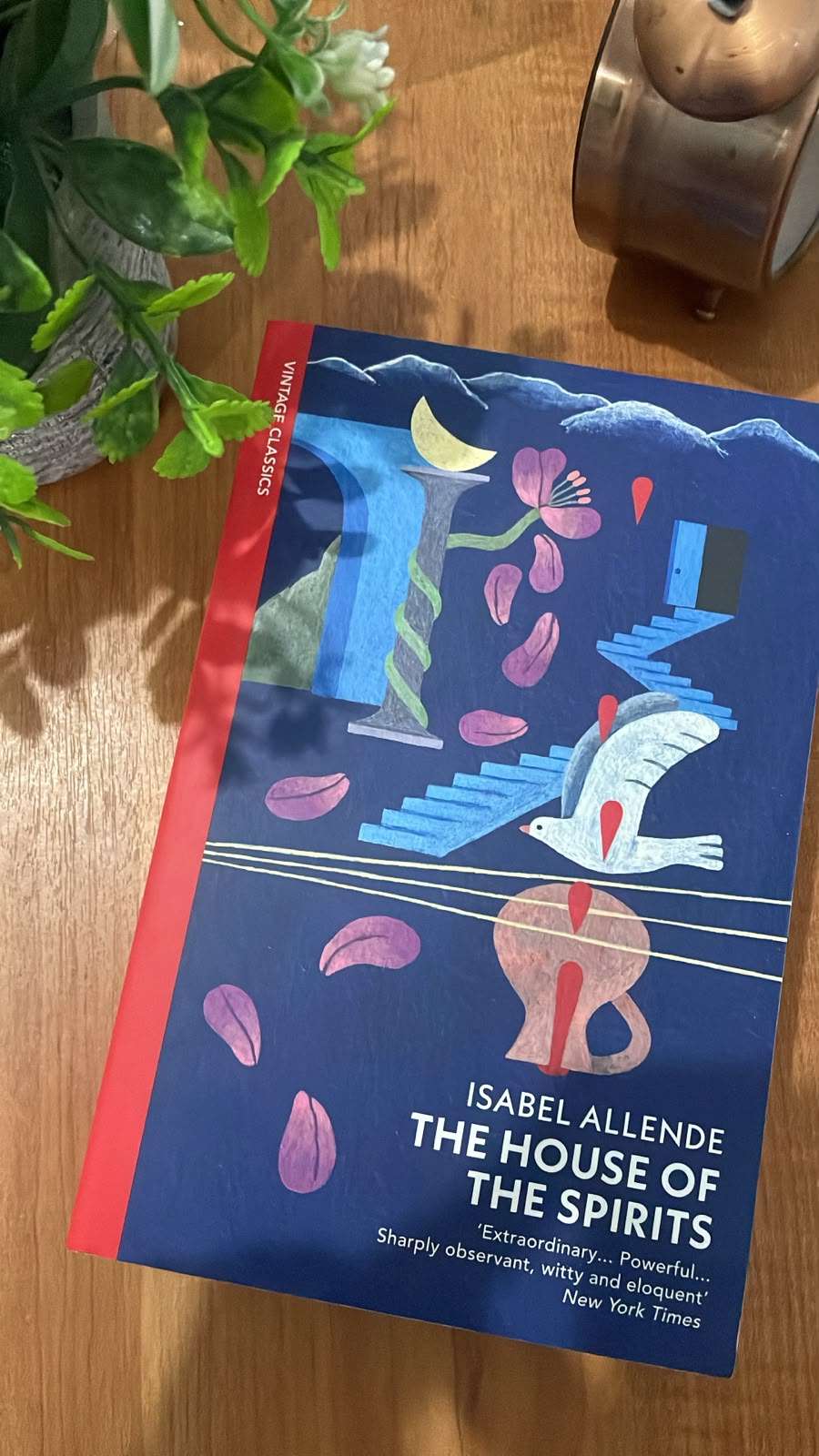
The House of the Spirits by Isabel Allende
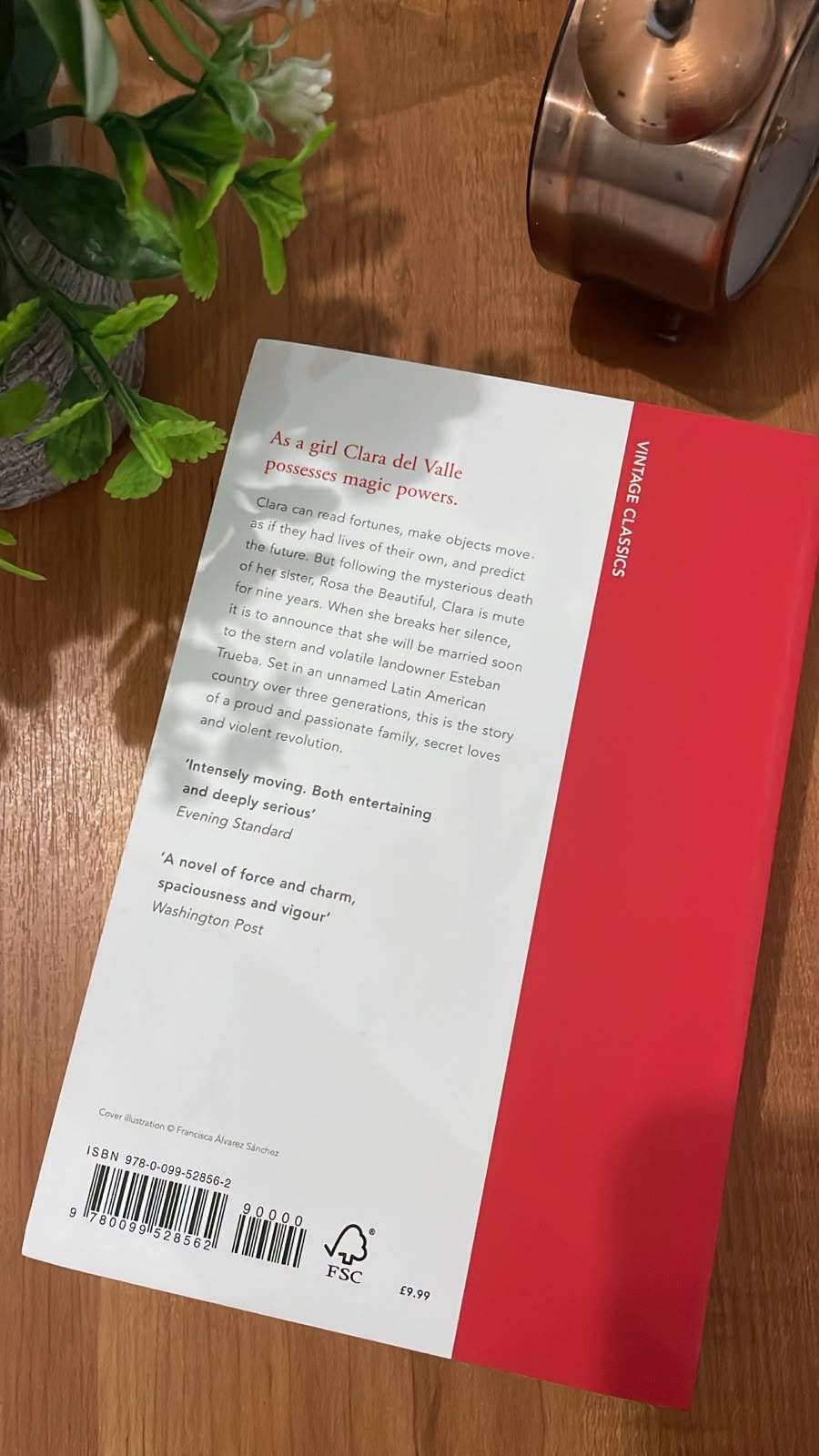
The House of the Spirits is a celebrated novel that blends family drama, political history, and magical realism. Set in an unnamed Latin American country inspired by Chile, the story follows several generations of the Trueba family as their lives unfold against a backdrop of social change and political turmoil.
The central idea of The House of the Spirits is that personal lives and national history are deeply connected. Through the experiences of one family, the novel explores themes of love, power, memory, injustice, and resilience.
A Multigenerational Family Story
The novel follows the lives of the Trueba family across several decades. The story begins with Esteban Trueba, a determined and ambitious man who builds wealth and power while struggling with his own temper and pride.
Alongside him is Clara del Valle, a mysterious woman with spiritual abilities who can communicate with spirits and predict certain events. Her unique perspective adds a magical dimension to the narrative.
As the story progresses, the lives of their children and grandchildren reveal how family relationships evolve over time, often shaped by past decisions and unresolved conflicts.
Magical Realism and Spiritual Elements
One of the most distinctive features of The House of the Spirits is its use of magical realism. In this style of storytelling, supernatural events are presented as a natural part of everyday life.
Clara’s ability to move objects, communicate with spirits, and foresee events creates an atmosphere where the boundary between reality and the supernatural becomes blurred.
Rather than feeling like fantasy, these mystical elements deepen the emotional and symbolic meaning of the story.
Power, Politics, and Social Change
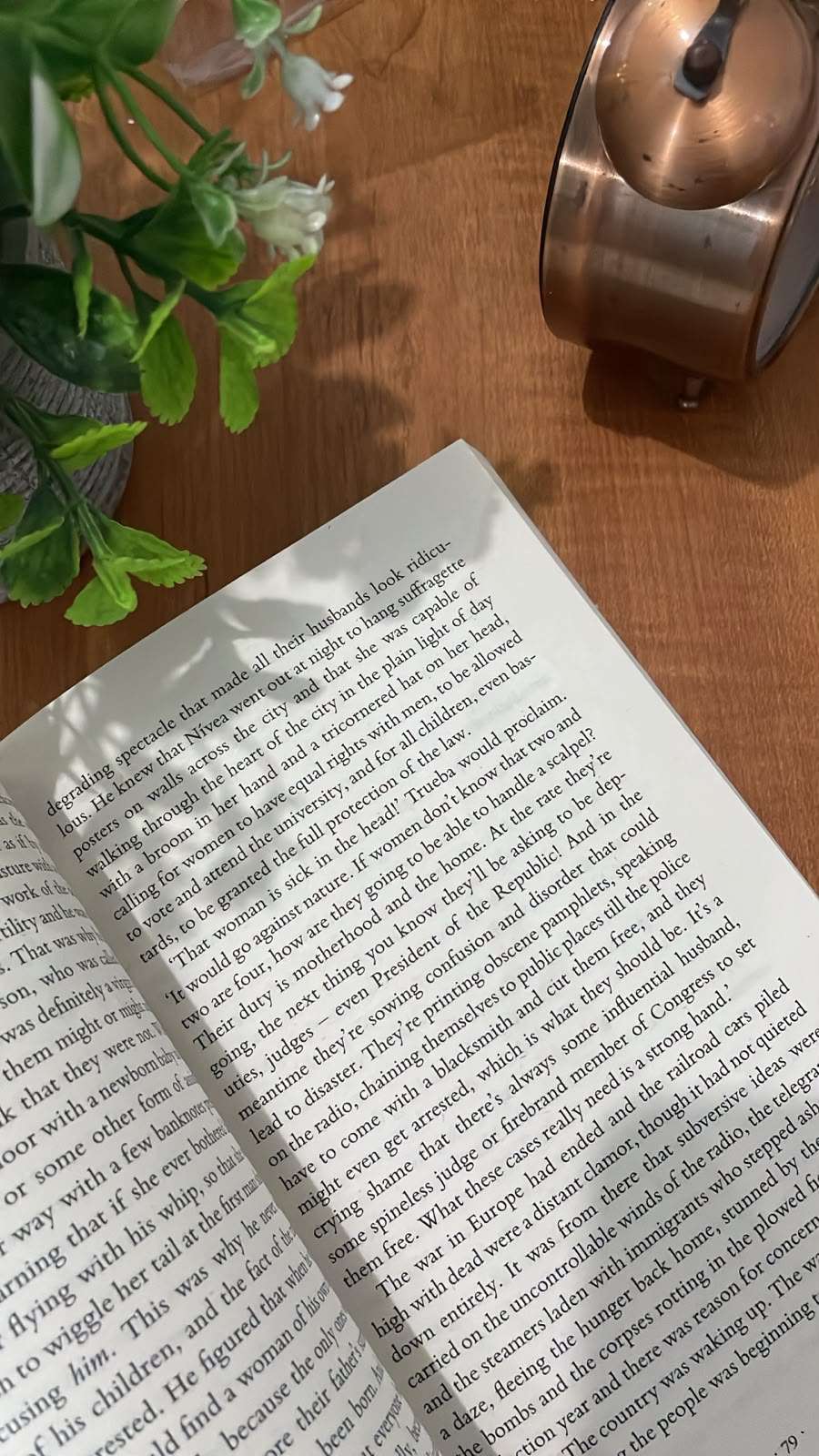
The novel also explores political conflict and social inequality. As Esteban Trueba gains influence as a landowner and later a political figure, the country begins to experience growing tensions between social classes.
Through the experiences of the Trueba family, the story reflects historical events similar to those that occurred in Chile during the twentieth century.
Political change, revolution, and dictatorship affect the lives of the characters, demonstrating how national events can transform personal destinies.
Memory, Love, and Forgiveness
Another important theme in The House of the Spirits is the power of memory. Many events in the novel are preserved through journals, letters, and storytelling.
The younger generations of the family attempt to understand their past and heal the emotional wounds created by earlier conflicts.
The novel ultimately emphasizes that forgiveness and understanding are necessary to break cycles of anger and suffering.
A Landmark Work of Latin American Literature
The House of the Spirits is widely recognized as one of the most important works of Latin American fiction. The novel helped establish Isabel Allende as a major literary voice and introduced many readers to the storytelling tradition of magical realism.
Its combination of historical insight, emotional depth, and imaginative storytelling continues to attract readers around the world.
Who Should Read This Book
This book is ideal for:
- Readers interested in literary fiction
- Fans of magical realism
- Students of Latin American history and culture
- Anyone who enjoys multigenerational family sagas
Because of its rich storytelling and complex characters, it appeals to readers who enjoy deep, thought-provoking novels.
Useful Links
BookLounge:
https://booklounge.lk/?s=House+of+the+Spirits
Wikipedia:
https://en.wikipedia.org/wiki/The_House_of_the_Spirits
Lasting Impact
After reading The House of the Spirits, many readers are struck by how beautifully the novel connects personal stories with historical change. The book shows that the past continues to shape the present, both for families and for nations.






Reviews
There are no reviews yet.