







Description
A Practical Guide to Investing Wisdom From Top Financial Leaders
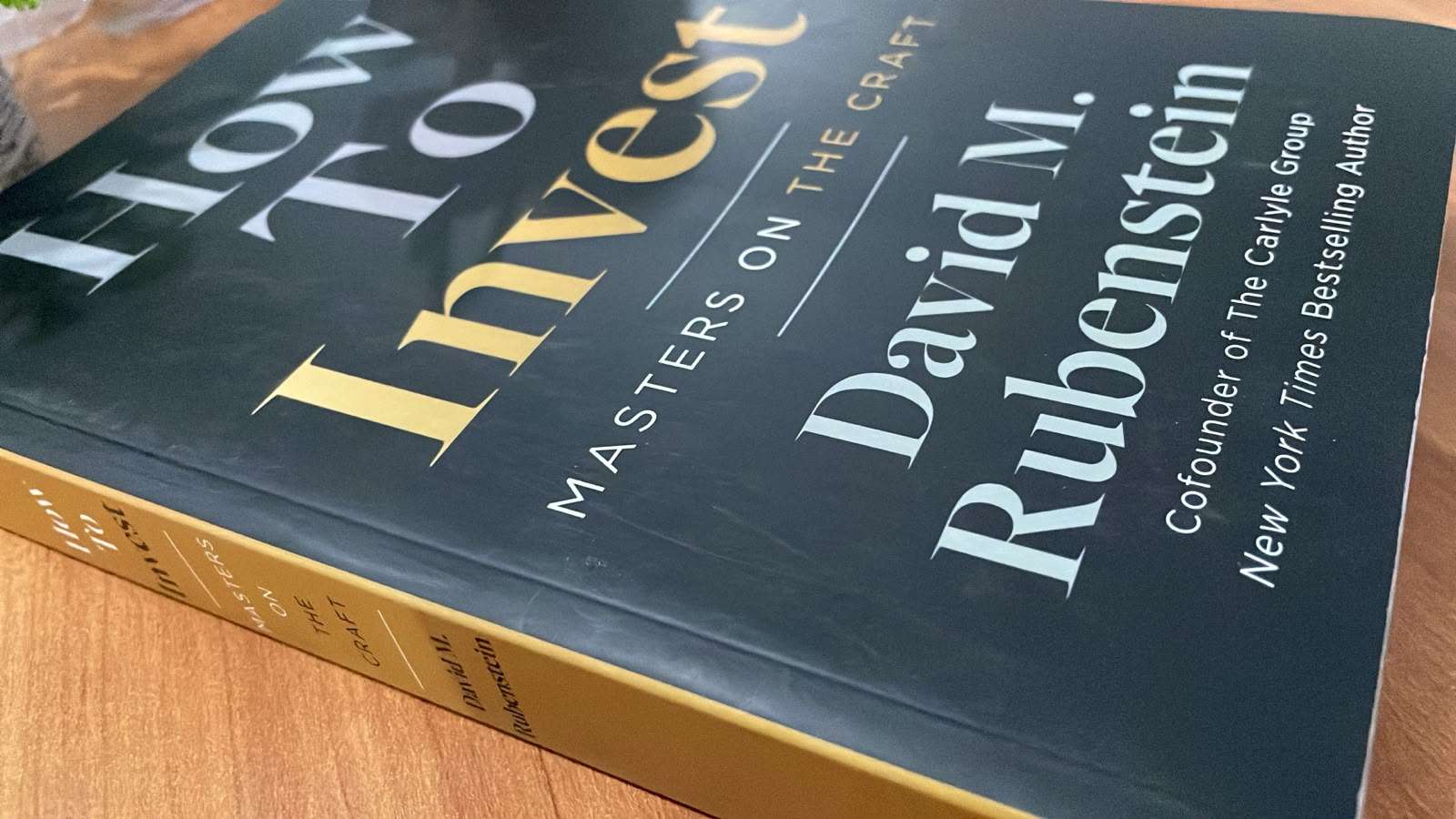
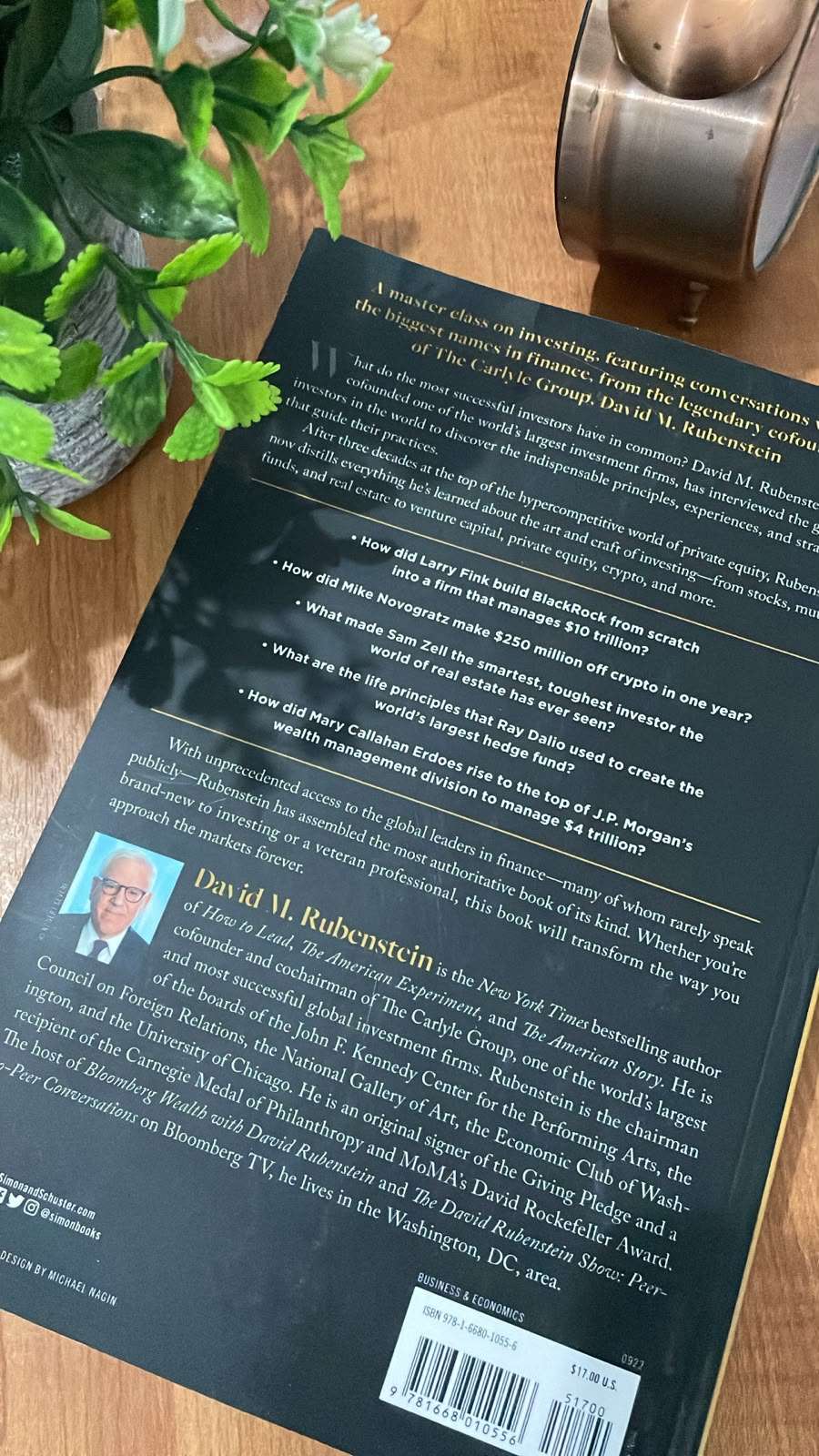
How to Invest: Masters on the Craft by David M. Rubenstein is a modern investment and personal finance book that distills lessons from some of the world’s most successful investors. Instead of teaching abstract theory or quick‑fix money tricks, the book presents investing as a disciplined craft rooted in critical thinking, long‑term perspective, and sound decision‑making.
The central idea of How to Invest is that successful investing does not happen by luck. It develops through learning from seasoned masters — including legendary investors, analysts, and financial innovators — and applying proven principles with patience, discipline, and emotional control.
Rather than chasing short‑term gains or “hot tips,” readers learn how to think like experienced investors and build strategies that align with long‑term wealth creation.
Investing Begins With Foundations of Mindset and Knowledge
One of the earliest lessons in How to Invest is that mindset matters more than tools or technical tactics. Many investing mistakes occur not because investors lack information, but because they fail to understand risk, discipline, and patience.
David Rubenstein explains that before choosing stocks, bonds, or assets, individuals must first cultivate foundational qualities such as curiosity, humility, and resilience.
When people approach markets with overconfidence or fear, they often react impulsively — buying high and selling low. How to Invest teaches readers to develop emotional steadiness so that opportunities are evaluated rationally rather than reactively.
The Masters’ Principles Explained
The book organizes its guidance by highlighting key principles and teachings from a diverse group of investing leaders. Each chapter focuses on a different master and the core lesson they embody — from value investing and long‑term thinking to adaptability and risk management.
Readers learn how to:
- Think long‑term instead of speculating short‑term
- Distinguish price from value
- Assess risk versus reward realistically
- Stay disciplined during market volatility
- Adapt to changing economic and technological environments
Because these principles are rooted in real‑world experience, How to Invest feels practical rather than theoretical. The narrative connects timeless wisdom with today’s financial landscape.
Communication and Decision‑Making
A major strength of How to Invest is its focus on how top investors think and communicate, not just what tools they use. Much of the conflict in investing arises from misunderstanding market signals rather than actual market fundamentals.
The book encourages readers to listen deeply to informed perspectives, ask incisive questions, and challenge assumptions. By slowing down major financial decisions and separating emotion from logic, investors can prevent small uncertainties from turning into costly errors.
Readers discover that great investing is less about reacting to every market fluctuation and more about consistent analytical reasoning.
Handling Market Fluctuations and Uncertainty
No investment journey is free from difficulty. Markets rise and fall, and even the most successful investors experience downturns. How to Invest explains that volatility is normal — the real problem is making impulsive decisions driven by fear or greed.
Rubenstein teaches readers to pause before reacting during turbulent periods and to focus on fundamental value rather than temporary market noise. This approach transforms uncertainty into an opportunity for disciplined evaluation.
Through these methods, investors build resilience rather than regret.
Investing in the Modern Financial World
Modern markets face unique pressures: algorithmic trading, global interdependence, rapid technological disruption, and constant media noise. How to Invest addresses these challenges directly.
The book reminds readers that sound investing is not a public performance but a personal, long‑term endeavor rooted in conviction and thoughtful strategy. When people stop chasing the latest trend or trying to time markets, their investment outcomes tend to improve naturally.
Because of this perspective, How to Invest feels highly relevant today — especially for individuals navigating complex financial environments.
Portfolio Construction and Long‑Term Strategy
Beyond individual lessons from the masters, the book explores practical portfolio principles. Successful portfolios are diverse, balanced, and aligned with personal goals and risk tolerance.
Readers learn that effort — in research, patience, and self‑discipline — is not a sign of overthinking but a sign of prudent stewardship of financial resources.
Healthy investing requires attention just like health or career: small, consistent actions over time maintain financial resilience.
Who Should Read This Book
This book is ideal for:
- Beginners preparing to build investment knowledge
- Intermediate investors refining strategy and discipline
- Long‑term planners focused on wealth preservation
- Anyone interested in learning from investing leaders
The lessons apply to individual investors, professionals, and anyone seeking healthier financial habits.
Lasting Impact
After reading How to Invest: Masters on the Craft, many readers feel more confident and grounded about their financial future. Instead of chasing market hype or fearing downturns, they develop a clearer sense of long‑term perspective and disciplined execution.
Ultimately, How to Invest teaches that wealth accumulation grows from knowledge, patience, emotional maturity, and consistent effort — just like any craft worth mastering.
Useful Links
BookLounge:
https://booklounge.lk/?s=How+to+Invest+Masters+on+the+Craft
Author (David M. Rubenstein) on Wikipedia:
https://en.wikipedia.org/wiki/David_Rubenstein





Reviews
There are no reviews yet.