







Description
I Want to Die but I Still Want to Eat Tteokbokki – A Practical Guide to Understanding Depression and Self‑Acceptance
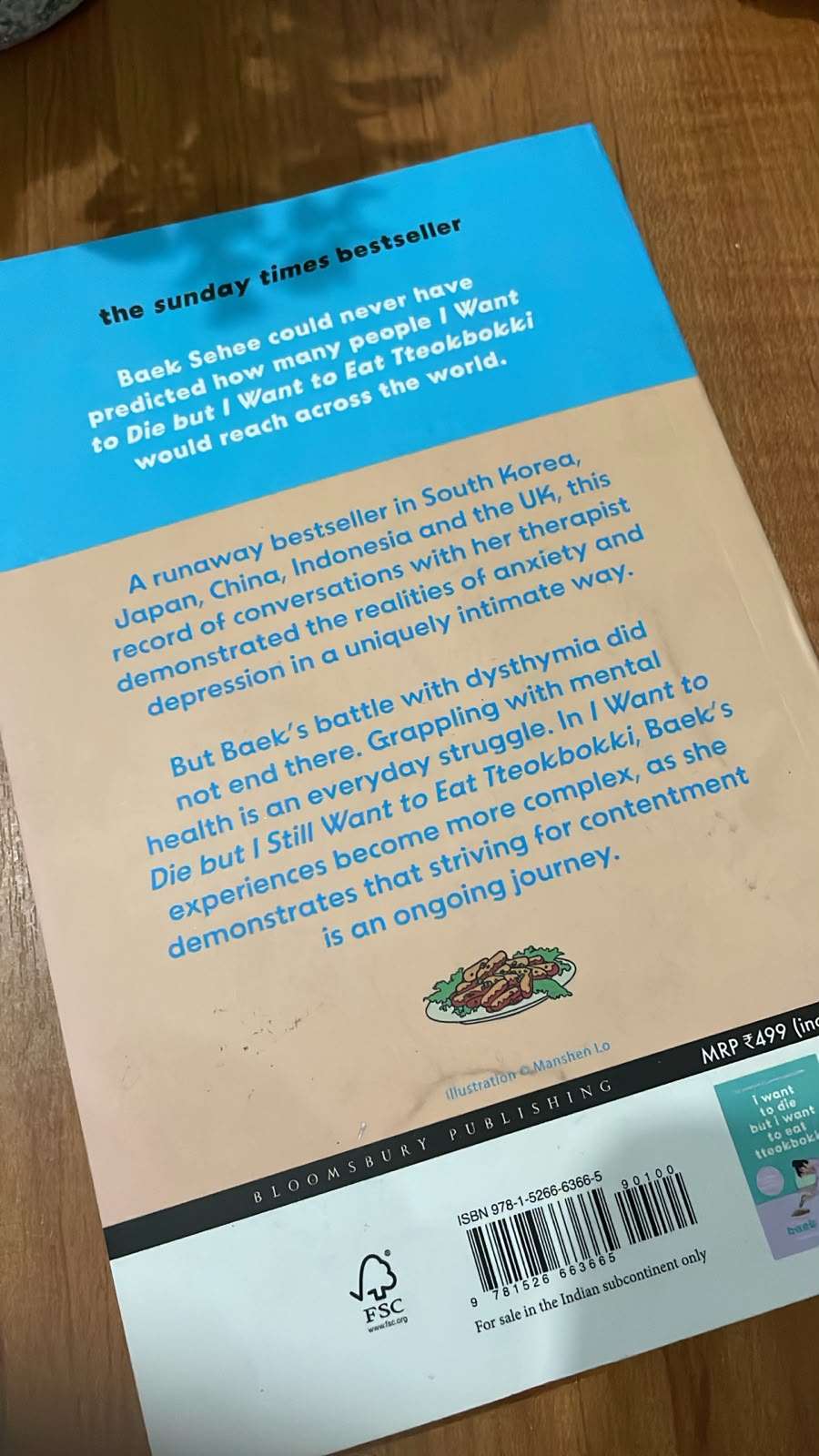
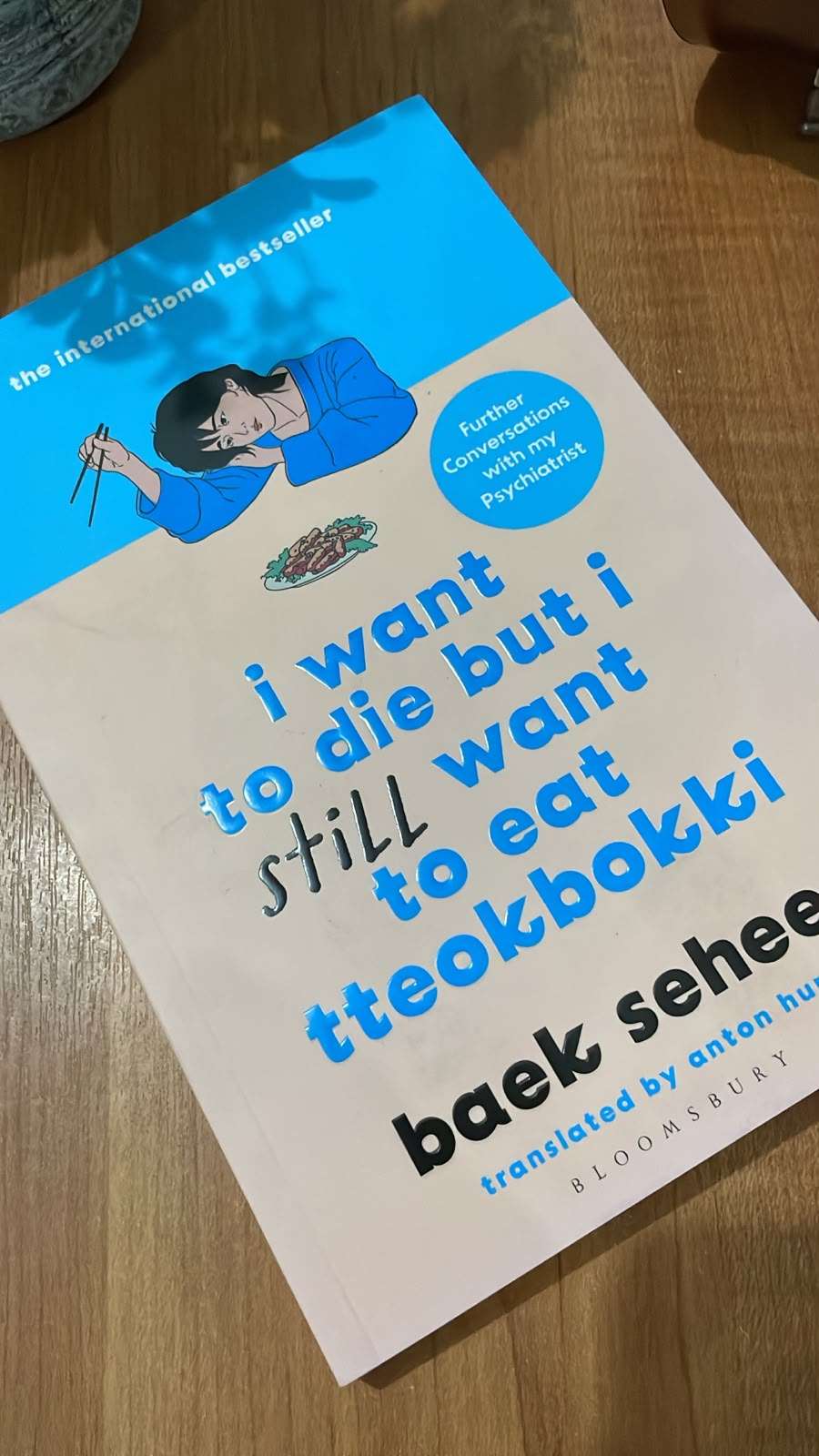
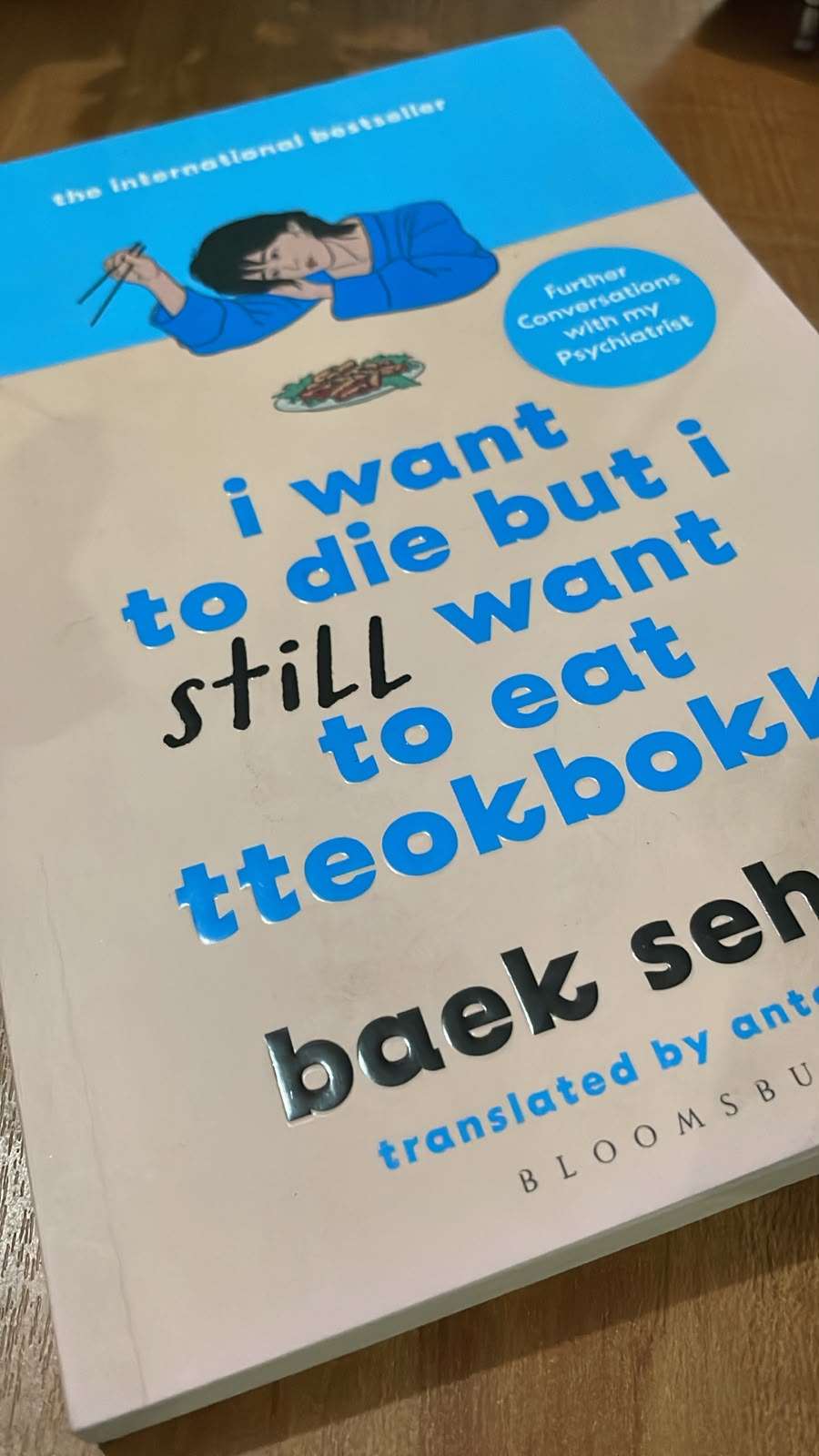
I Want to Die but I Still Want to Eat Tteokbokki by Baek Se-hee is a reflective mental‑health memoir that explores the quiet struggles of living with persistent depression and anxiety. Rather than presenting dramatic events, the book focuses on everyday emotional battles many people face but rarely talk about.
Through honest conversations between the author and her psychiatrist, the book shows that mental health struggles often exist alongside ordinary life. One moment a person may feel exhausted by existence, yet still crave small pleasures like food, comfort, or companionship. The title itself captures this contradiction — the feeling of wanting to disappear while still finding meaning in simple moments.
The central idea of the book is that mental health recovery is not about suddenly becoming happy. Instead, it is about gradually understanding thoughts, emotions, and habits. Readers learn that acknowledging vulnerability is the first step toward healing.
Understanding Depression in Everyday Life
One of the most powerful aspects of the book is how it portrays depression in subtle ways. The author does not describe dramatic breakdowns; instead, she explains quieter experiences such as overthinking conversations, doubting one’s worth, and feeling emotionally exhausted for no obvious reason.
Through therapy sessions, readers see how negative thought patterns develop. Small worries slowly grow into constant self‑criticism. The author realizes that many of her feelings come from unrealistic expectations she places on herself.
By identifying these patterns, the book shows that depression is not simply sadness but a complex cycle of thoughts, habits, and emotional reactions.
Therapy as a Journey of Self‑Discovery
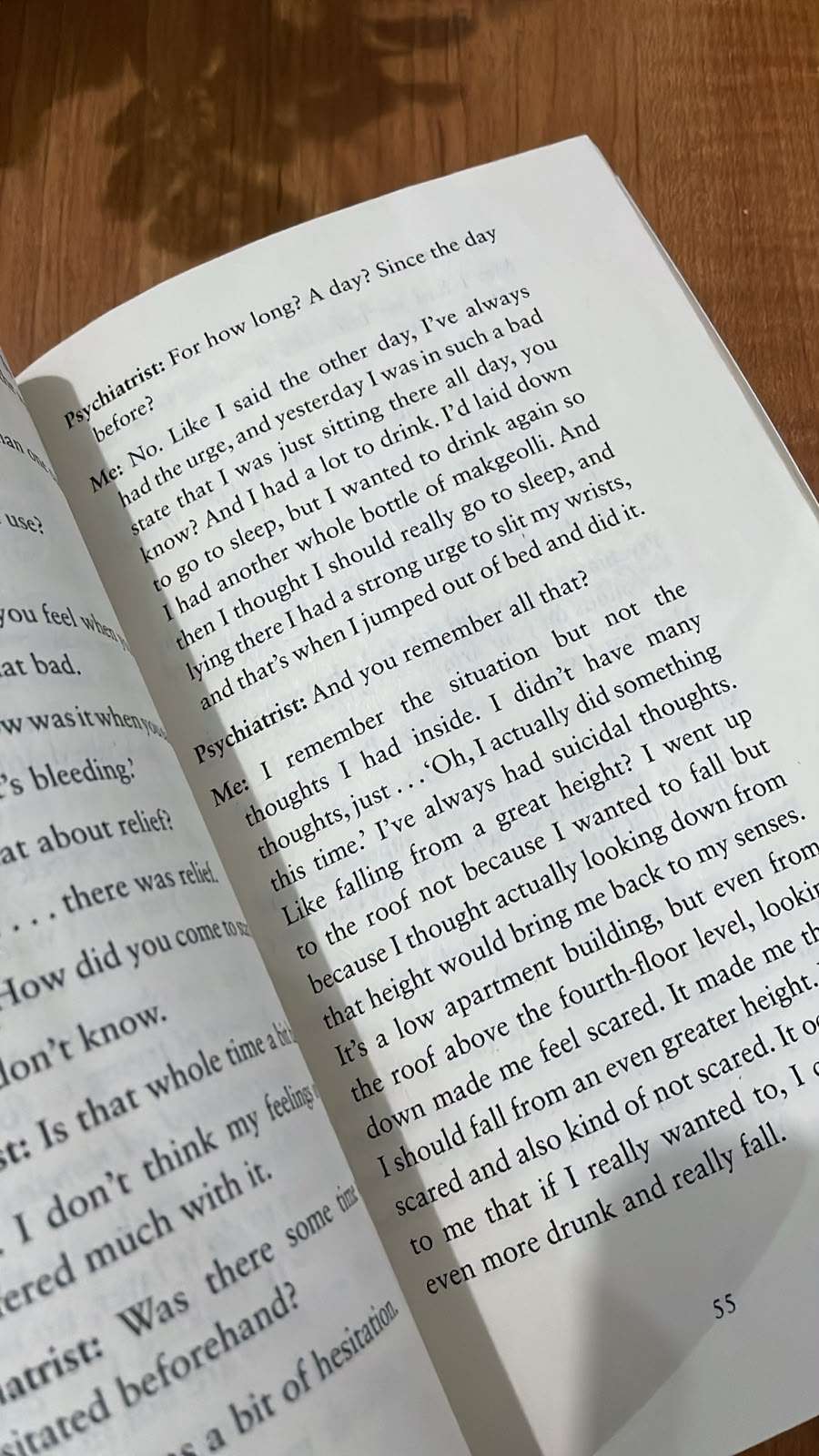
A large portion of the book is structured around real discussions between the author and her psychiatrist. These conversations create a practical guide to understanding how therapy works.
Instead of giving quick solutions, the therapist asks thoughtful questions that encourage reflection. Readers watch the author slowly recognize how her fears, perfectionism, and self‑judgment affect her mental health.
This process highlights an important idea: therapy is not about someone fixing your problems. It is about learning to understand yourself with patience and honesty.
The Conflict Between Wanting to Live and Wanting to Escape
The title represents a common emotional contradiction in depression. Many people who struggle with mental health issues do not truly want life to end — they simply want relief from overwhelming thoughts.
The author describes moments when she feels emotionally drained yet still enjoys small comforts like food, quiet time, or conversations with friends. These simple pleasures remind her that life still contains meaning, even during difficult periods.
By acknowledging these mixed feelings, the book reassures readers that emotional conflict is normal and human.
Breaking the Cycle of Self‑Criticism
Another important theme is how harsh self‑judgment damages mental health. The author constantly compares herself to others and worries about how she appears to the world.
Her therapist helps her realize that many of these pressures come from internal expectations rather than reality. Learning to challenge these thoughts allows her to develop a more compassionate relationship with herself.
Readers are encouraged to recognize similar patterns in their own lives and to replace criticism with understanding.
Small Moments of Comfort and Healing
Unlike traditional self‑help books that focus on major life changes, this book highlights the importance of small daily comforts. A warm meal, a favorite snack, a quiet walk, or a meaningful conversation can provide moments of emotional relief.
These simple experiences help the author reconnect with life even during periods of sadness. The message is clear: healing does not always come from dramatic breakthroughs but from consistent small steps.
Mental Health in Modern Society
The book also reflects on the pressures of modern life. Social expectations, career competition, and constant comparison through social media can intensify feelings of inadequacy.
Many young adults feel trapped between personal dreams and societal expectations. By discussing these realities openly, the author helps readers realize they are not alone in these struggles.
Who Should Read This Book
This book is especially valuable for:
- Readers experiencing anxiety, burnout, or depression
- People curious about how therapy conversations work
- Anyone who feels overwhelmed by self‑expectations
- Readers interested in honest mental‑health stories
Because the writing is conversational and deeply personal, many readers find the book comforting and relatable.
Lasting Impact
After reading I Want to Die but I Still Want to Eat Tteokbokki, many readers feel less isolated in their emotions. The book does not promise quick happiness or perfect mental health. Instead, it offers something more realistic — understanding.
By sharing her vulnerabilities, Baek Se-hee reminds readers that struggling does not mean failing at life. Healing begins with recognizing our thoughts, accepting imperfections, and allowing ourselves small moments of comfort.
Book Lounge (Sri Lanka) product page:
https://booklounge.lk/i-want-to-die-but-i-still-want-to-eat-tteokbokki-by-baek-se-hee/ (booklounge.lk)
Wikipedia page (English) for the original memoir by Baek Se‑hee (notes the sequel too):
https://en.wikipedia.org/wiki/I_Want_to_Die_but_I_Want_to_Eat_Tteokbokki (Wikipedia)





Reviews
There are no reviews yet.