








Description
A Comprehensive Look at the Minds Behind the Digital Revolution
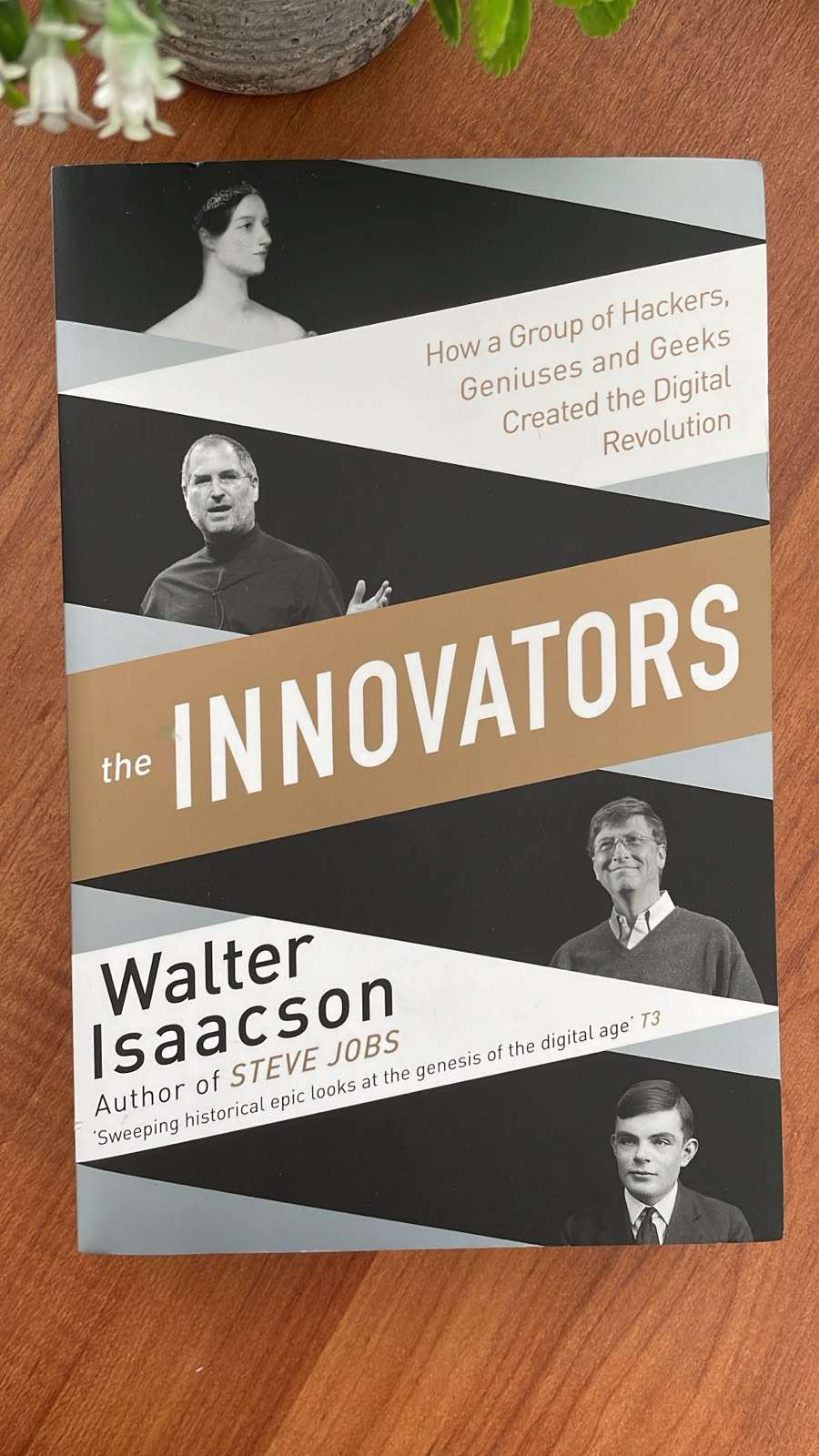
The Innovators by Walter Isaacson
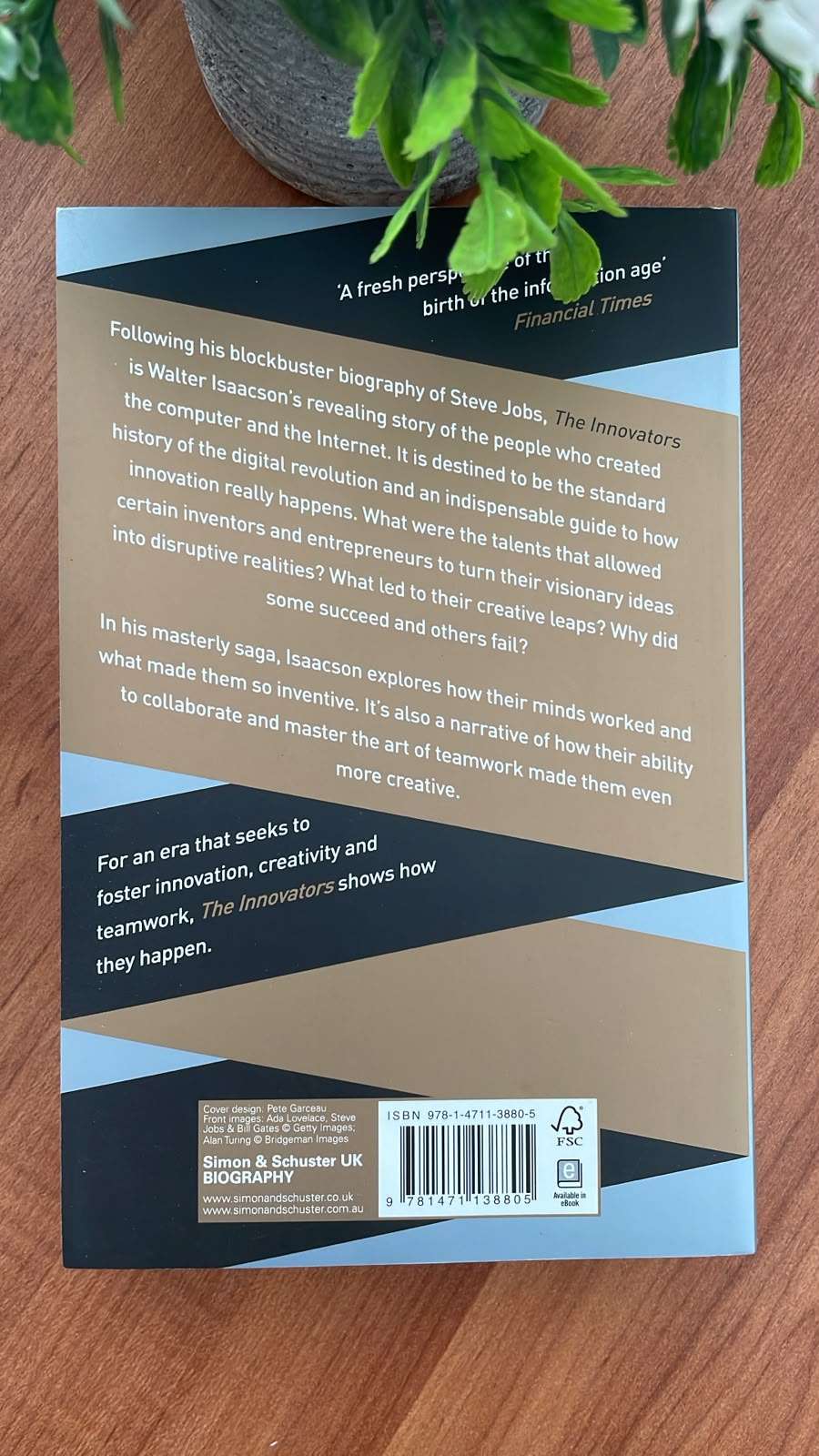
The Innovators is a detailed non-fiction book that explores the history of technology and the people who created the digital age. Written by Walter Isaacson, the book chronicles the innovations that led to computers, the internet, and modern digital technology, focusing not only on genius but also on collaboration, teamwork, and interdisciplinary thinking.
Rather than presenting innovation as the work of lone geniuses, Isaacson emphasizes that breakthroughs often result from partnerships, collaboration, and shared vision. The central idea is that innovation thrives when creativity, technology, and human cooperation intersect.
The Power of Collaboration
One of the earliest lessons in The Innovators is that successful innovation rarely happens in isolation. From Ada Lovelace’s early programming concepts to the creation of the internet, partnerships between thinkers, engineers, and programmers were essential.
Key examples include:
- Ada Lovelace and Charles Babbage, whose collaboration laid the foundation for computing
- Bill Gates and Paul Allen, who co-founded Microsoft
- Steve Jobs and Steve Wozniak, whose teamwork brought Apple computers to life
Isaacson highlights how collaboration amplifies individual talents and leads to groundbreaking results.
Creativity Meets Technology
The book shows how technical expertise and creative thinking must merge for innovation to succeed. Engineers and programmers often rely on imaginative problem-solving to push the boundaries of what machines and software can do.
Readers learn that:
- Innovation is iterative, building on prior ideas
- Creativity is as critical as technical skill
- Understanding the broader societal impact of technology is essential
This perspective underscores that technology is most powerful when guided by human insight and vision.
Lessons From Visionaries
The Innovators provides detailed portraits of key figures who shaped the modern world:
- Alan Turing – pioneering computer science and artificial intelligence concepts
- Grace Hopper – advancing programming languages and coding standards
- Vint Cerf and Robert Kahn – creating protocols for the internet
- Larry Page and Sergey Brin – innovating search engines that transformed information access
Each story demonstrates resilience, curiosity, and the ability to think across disciplines.
Ethics, Impact, and Responsibility
Isaacson also explores ethical questions surrounding technological progress. He highlights that innovators must consider:
- The societal consequences of new technologies
- Responsible development and deployment
- Balancing profit with broader human impact
The book encourages readers to reflect on how innovation can benefit society as a whole, not just individuals or corporations.
Who Should Read This Book
This book is ideal for:
- Readers interested in technology, computing, and digital history
- Aspiring entrepreneurs and innovators
- Students of science, engineering, and business
- Anyone fascinated by the intersection of creativity and technology
The lessons apply to both personal growth and understanding the history of the modern digital world.
Explore More Non-Fiction and Technology Books
Explore more history, technology, and non-fiction books here:
https://booklounge.lk/product-category/non-fiction/
Learn more about the author:
https://en.wikipedia.org/wiki/Walter_Isaacson
Lasting Impact
After reading The Innovators, readers gain a deeper appreciation for how cooperation, creativity, and perseverance drive technological advancement.





Reviews
There are no reviews yet.