








Description
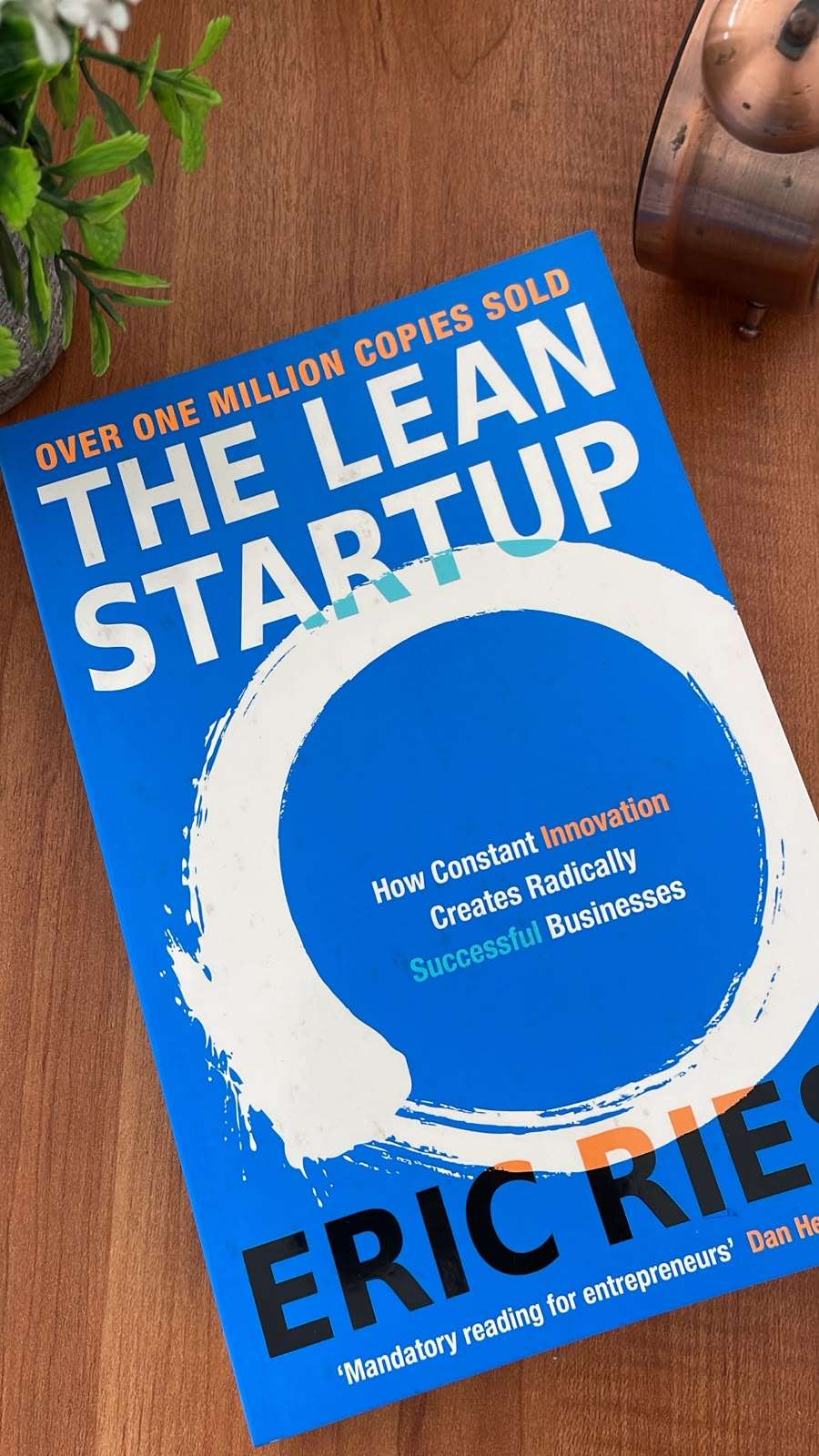
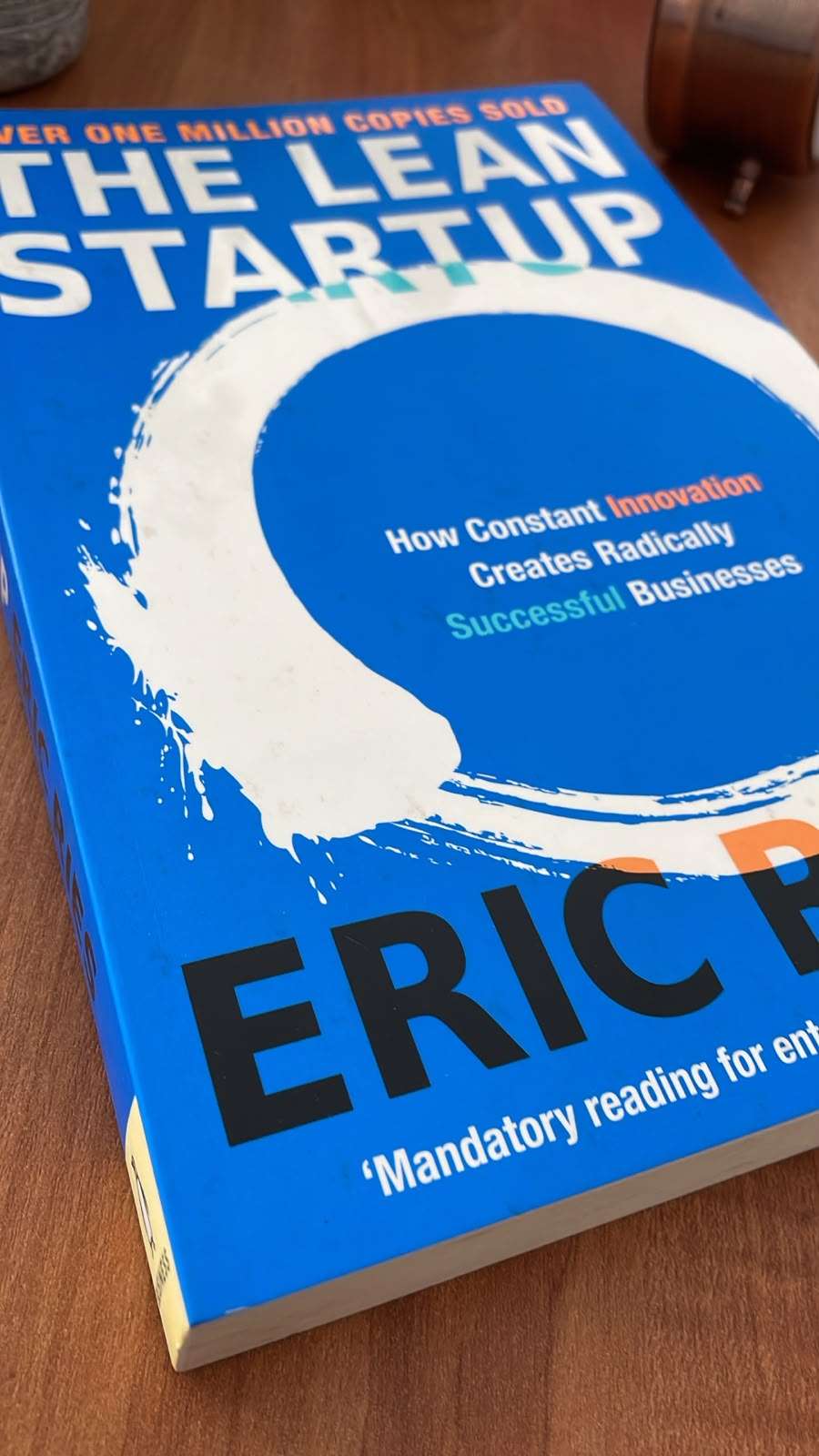
The Lean Startup by Eric Ries
The Lean Startup is a modern business and entrepreneurship book that explains how startups and innovators can build successful companies by testing ideas quickly and learning from real customer feedback. Instead of relying on long business plans or assumptions, the book presents entrepreneurship as a continuous process of experimentation, learning, and improvement.
The central idea of The Lean Startup is that many businesses fail because they spend too much time building products that customers do not actually need. Eric Ries argues that entrepreneurs should focus on validated learning, where ideas are tested with real users before large amounts of time and money are invested.
Rather than trying to build the “perfect product” immediately, startups succeed by launching early, learning quickly, and improving constantly.
Innovation Begins With Experimentation
One of the earliest lessons in The Lean Startup is that startups operate in extreme uncertainty. Traditional business strategies often assume predictable markets, but startups must discover what works through experimentation.
Eric Ries explains that entrepreneurs should treat every new idea like a scientific hypothesis. Instead of assuming success, they test their ideas in the real world and gather evidence.
This approach helps businesses avoid wasting resources and instead focus on solutions that genuinely solve customer problems.
The Build–Measure–Learn Cycle
A major concept in The Lean Startup is the Build–Measure–Learn feedback loop. This cycle helps entrepreneurs continuously improve their products.
The process works in three stages:
- Build – Create a simple version of the product.
- Measure – Collect data and feedback from customers.
- Learn – Analyze results and improve the product.
This cycle repeats many times, allowing startups to gradually develop better solutions based on real-world information rather than assumptions.
Because of this system, companies can move quickly and adapt to changing customer needs.
The Minimum Viable Product (MVP)
One of the most influential ideas introduced in The Lean Startup is the Minimum Viable Product (MVP).
An MVP is the simplest version of a product that can be released to customers in order to test an idea. Instead of building a complex product immediately, entrepreneurs start with a basic version to see whether people actually want it.
This strategy helps startups:
- Reduce development costs
- Receive early feedback from customers
- Identify problems quickly
- Improve the product faster
Many successful technology companies have used this approach to test ideas before expanding their products.
Learning From Failure
Another important lesson in The Lean Startup is that failure is not necessarily a negative outcome. In the world of startups, failure often provides valuable information.
Eric Ries encourages entrepreneurs to focus on learning from experiments, even when results are unexpected. When an idea does not work, it provides insight that helps guide future decisions.
This mindset allows startups to move forward more intelligently rather than repeating mistakes.
Pivot or Persevere
During the development process, startups eventually face an important decision: pivot or persevere.
- Persevere means continuing with the current strategy if evidence shows progress.
- Pivot means changing direction when data suggests the idea is not working.
A pivot does not mean abandoning the entire business. Instead, it involves adjusting the product, market, or strategy based on what has been learned.
This flexibility allows startups to evolve toward better opportunities.
Entrepreneurship in the Modern World
The Lean Startup highlights how modern businesses operate in fast-changing markets. Technology, global competition, and rapidly shifting consumer behavior require companies to be adaptable.
Instead of relying on rigid planning, the Lean Startup approach encourages continuous innovation. Businesses that learn quickly from customers can stay competitive and respond to new opportunities.
Because of this perspective, the book has influenced not only startups but also large corporations, universities, and government organizations.
Long-Term Growth Through Continuous Learning
Beyond launching a startup, the book explains how companies can maintain innovation over time. Organizations that encourage experimentation and learning are more likely to discover new ideas and remain competitive.
By measuring progress carefully and responding to customer feedback, businesses create a culture where improvement becomes part of everyday operations.
This long-term mindset helps organizations avoid stagnation and continue evolving in changing markets.
Who Should Read This Book
This book is ideal for:
- Entrepreneurs launching new businesses
- Startup founders and innovators
- Product managers and developers
- Business students and researchers
- Anyone interested in modern entrepreneurship
The principles in The Lean Startup apply not only to technology startups but also to nonprofits, education, and corporate innovation teams.
Explore More Business and Self-Growth Books
Explore more entrepreneurship and self-growth books here:
https://booklounge.lk/product-category/self-help/
Learn more about the author:
https://www.startuplessonslearned.com/
Lasting Impact
After reading The Lean Startup, many entrepreneurs rethink how businesses should be built. Instead of relying on assumptions or long development cycles, they focus on testing ideas, learning from customers, and improving continuously.





Reviews
There are no reviews yet.