








Description
Leonardo da Vinci by Walter Isaacson (Audiobook narrated by Alfred Molina)
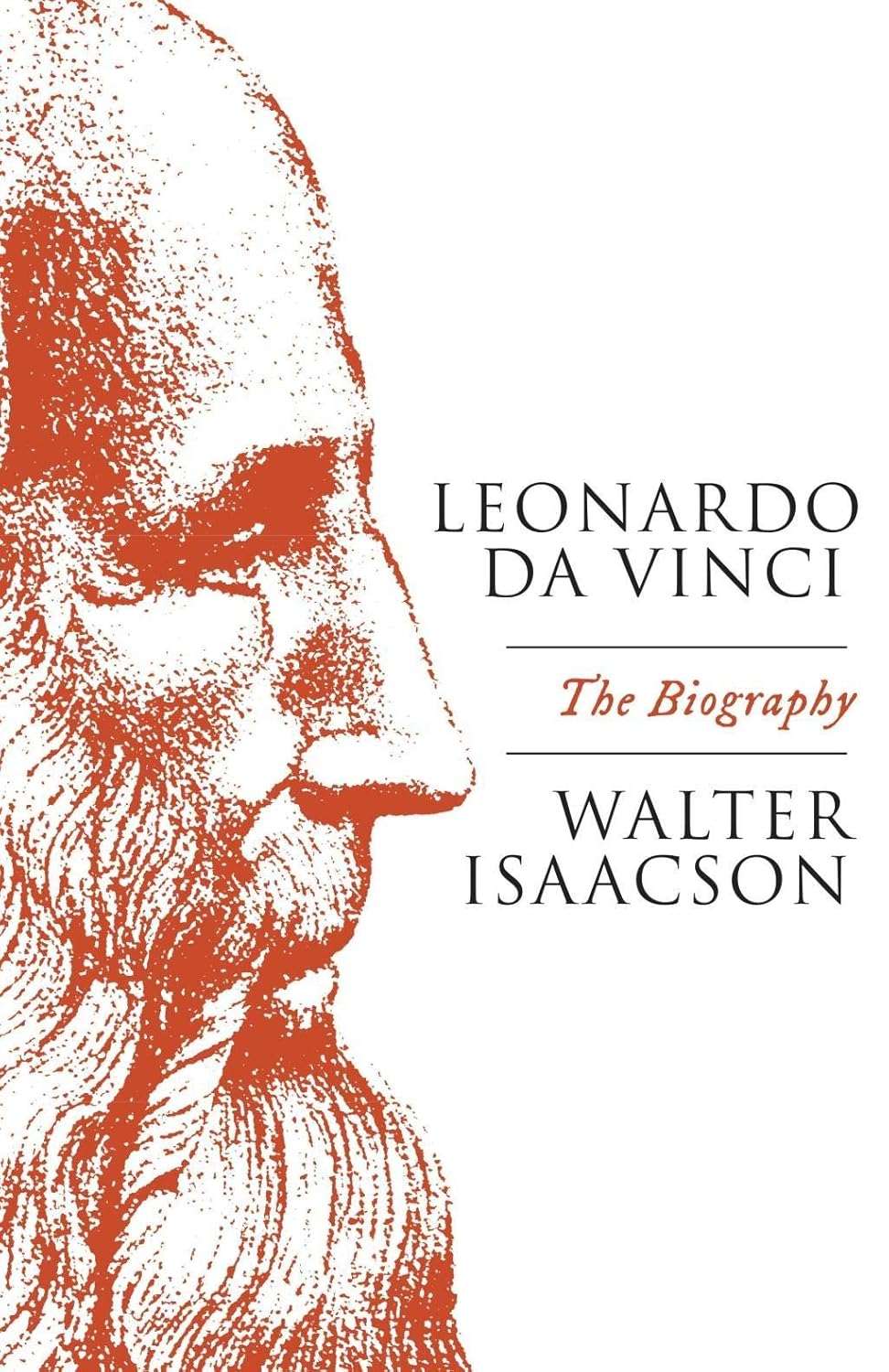
Leonardo da Vinci is a detailed biography that explores the life, creativity, and genius of one of history’s most extraordinary figures, Leonardo da Vinci. Written by Walter Isaacson, the book examines how Leonardo combined art, science, curiosity, and imagination to produce some of the most famous works ever created.
Rather than presenting Leonardo simply as a brilliant painter, the book reveals him as a relentless learner whose curiosity extended into anatomy, engineering, physics, and nature. The central idea of this biography is that Leonardo’s genius came from his ability to connect different fields of knowledge and observe the world with deep curiosity.
By studying thousands of pages from Leonardo’s notebooks, Isaacson shows that creativity often grows from curiosity, experimentation, and careful observation.
Curiosity as the Source of Genius
One of the earliest lessons in Leonardo da Vinci is that curiosity is the foundation of creativity. Leonardo constantly asked questions about the world around him—from how birds fly to how muscles move beneath human skin.
Instead of accepting common beliefs, he investigated everything through observation and experimentation. His notebooks were filled with sketches, ideas, and questions about nature.
Walter Isaacson explains that Leonardo’s success was not simply natural talent. His greatness came from a lifelong habit of questioning, exploring, and connecting ideas across disciplines.
Art and Science Working Together
A major theme in the book is the relationship between art and science in Leonardo’s work. Leonardo believed that to paint the human body accurately, he first had to understand anatomy and structure.
Because of this, he studied muscles, bones, and organs in detail. His scientific observations allowed him to paint with remarkable realism.
This approach helped him create masterpieces such as:
- Mona Lisa
- The Last Supper
- Vitruvian Man
Through these works, Leonardo combined scientific knowledge with artistic imagination, creating art that still fascinates the world centuries later.
The Power of Observation
Another key lesson in Leonardo da Vinci is the importance of observation. Leonardo carefully studied light, shadows, water movement, plants, and human expressions.
He believed that understanding nature was essential for both science and art. His detailed sketches show how he examined everything—from the flow of rivers to the structure of wings.
Isaacson highlights that Leonardo’s notebooks reveal a mind constantly exploring. He recorded ideas about flying machines, bridges, anatomy, and engineering long before many of these concepts became reality.
This habit of observation helped Leonardo discover patterns and connections that others often overlooked.
Creativity and Imperfection
Despite his brilliance, Leonardo struggled with completing many projects. He frequently moved from one idea to another, exploring new interests before finishing previous work.
Walter Isaacson presents this not as a weakness but as part of Leonardo’s creative process. His endless curiosity led him to explore many subjects deeply rather than focusing only on one discipline.
This shows that innovation often comes from experimentation and curiosity rather than rigid focus.
Innovation Beyond Painting
Although Leonardo is best known as an artist, the book reveals his remarkable work in many other fields.
He designed concepts for:
- Flying machines
- Military engineering devices
- Water and canal systems
- Architectural structures
Many of these ideas were centuries ahead of their time. While some designs were never built, they demonstrate how Leonardo imagined possibilities far beyond the technology of his era.
This multidisciplinary thinking made him one of the most influential thinkers of the Renaissance.
The Renaissance Context
The biography also explores the cultural world in which Leonardo lived, including cities like Florence and Milan. These cities were major centers of creativity during the Renaissance.
Leonardo worked for powerful patrons, including rulers and nobles who supported artists and scientists. This environment encouraged experimentation and learning.
Through this historical context, readers understand how Leonardo’s ideas developed within a vibrant period of artistic and intellectual growth.
Who Should Read This Book
This biography is ideal for:
- Readers interested in history and art
- Students studying creativity and innovation
- Artists and designers seeking inspiration
- Anyone curious about the life of one of history’s greatest thinkers
The book also appeals to readers who enjoy biographies that explore both personal life and intellectual achievement.
Explore More Self-Growth and Biography Books
Explore more inspiring books here:
https://booklounge.lk/product-category/self-help/
Here is the Wikipedia link for the book you mentioned:
Leonardo da Vinci – Wikipedia
https://en.wikipedia.org/wiki/Leonardo_da_Vinci_(Isaacson_book)
Lasting Impact
After reading Leonardo da Vinci, many readers gain a deeper appreciation for curiosity and lifelong learning. Walter Isaacson shows that Leonardo’s brilliance was not simply the result of talent but of relentless curiosity, careful observation, and the courage to explore many fields of knowledge.






Reviews
There are no reviews yet.