


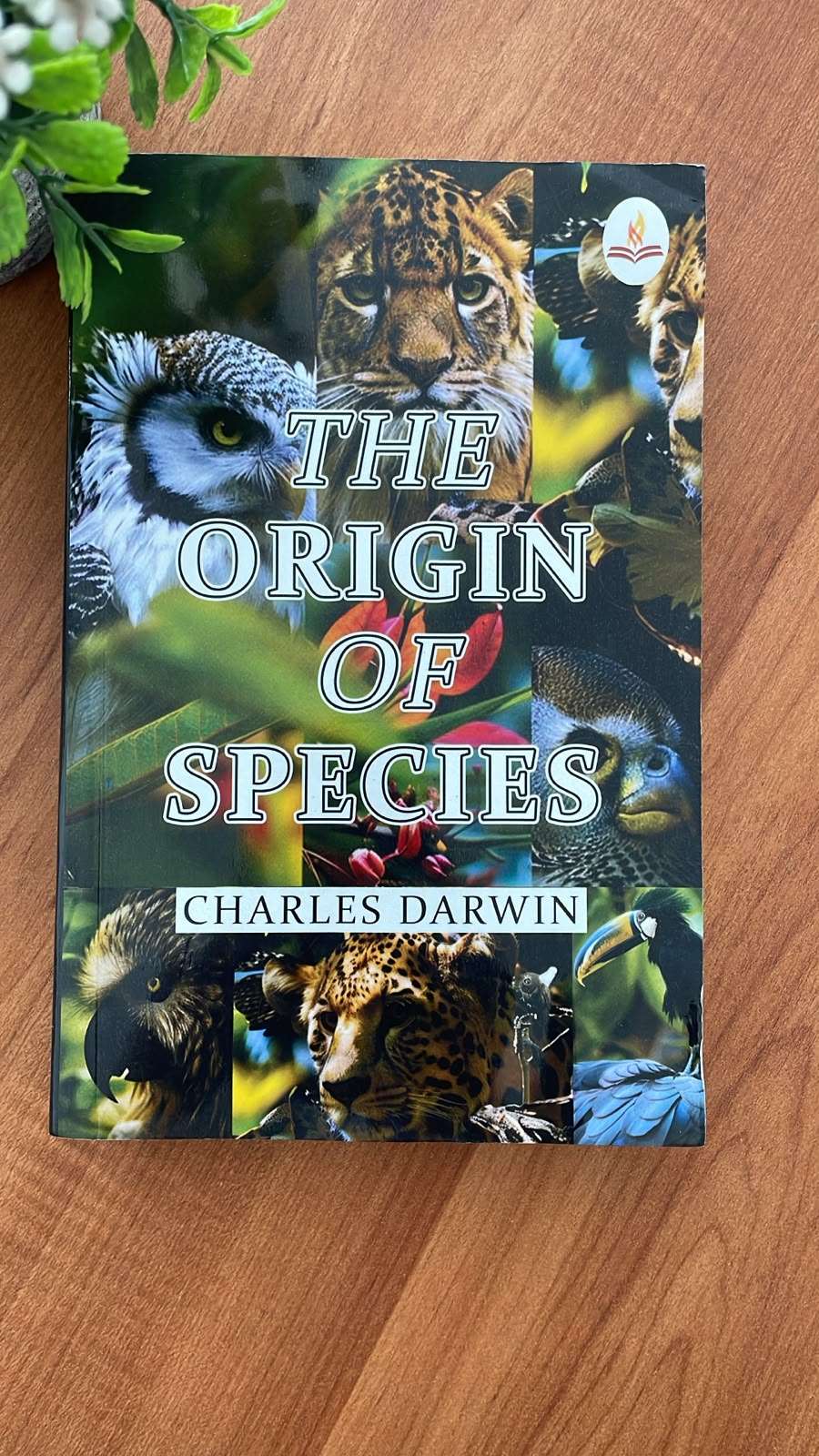

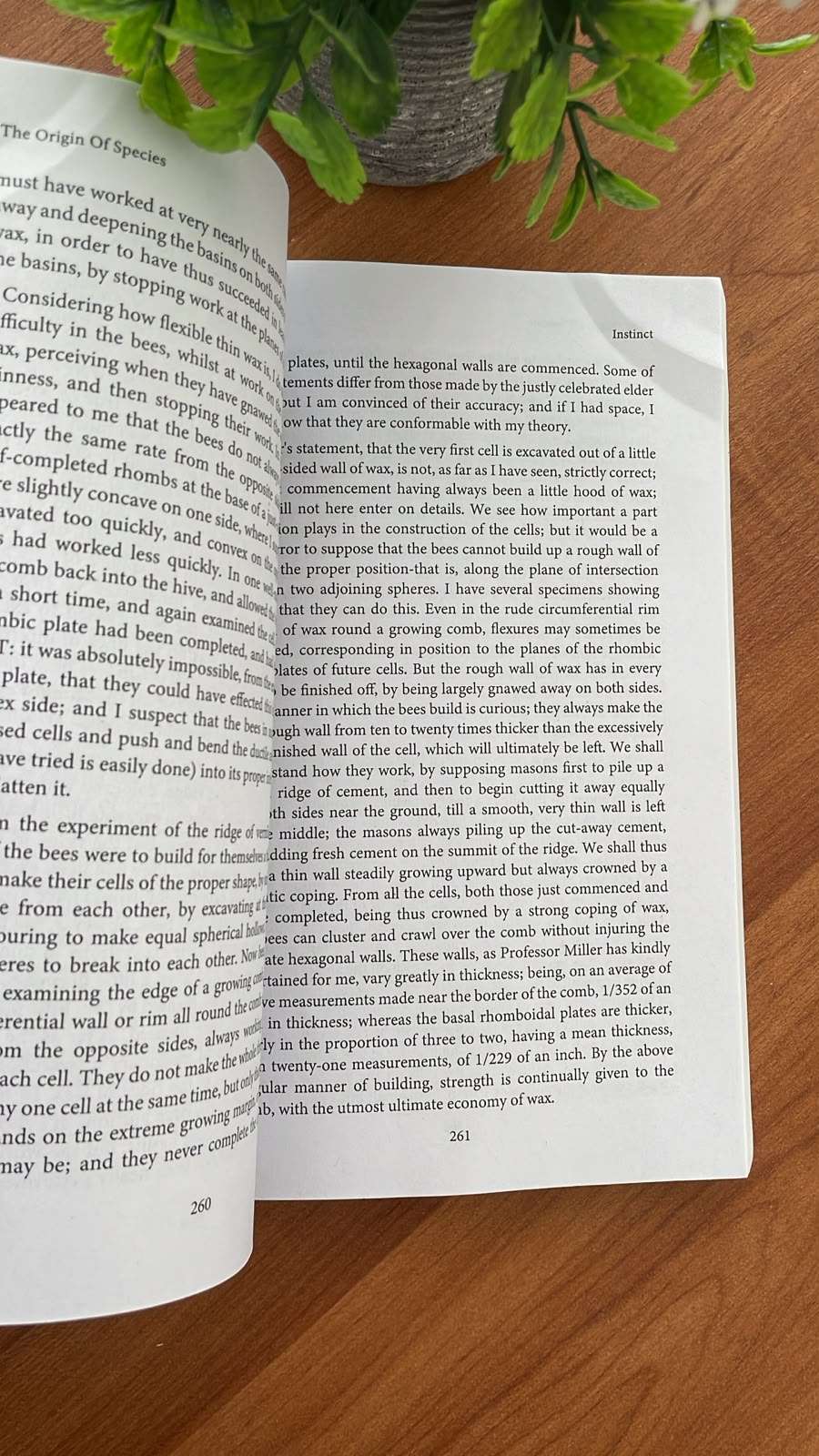
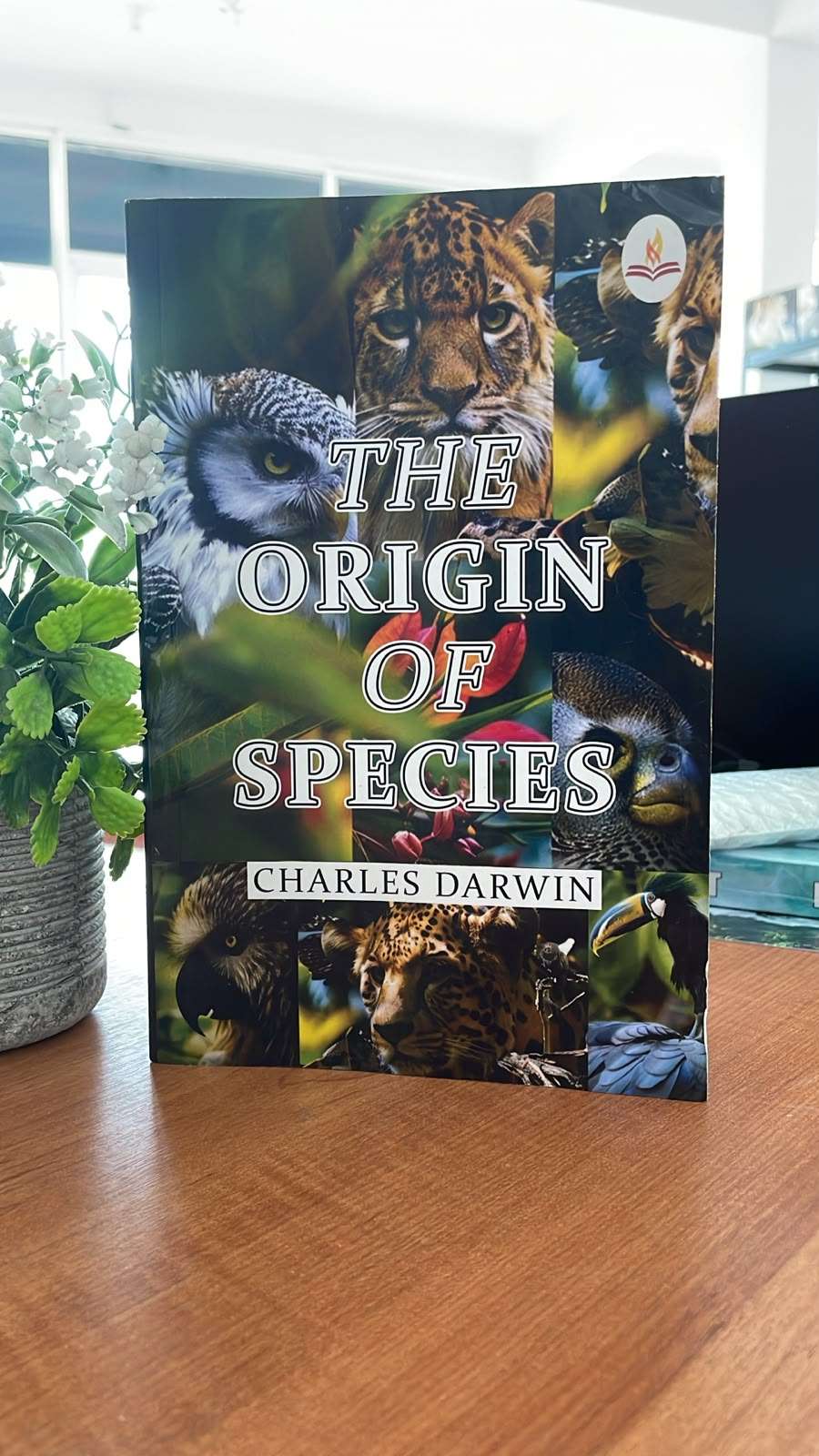





Description
On the Origin of Species — A Practical Guide to Understanding Biological Change
Author: Charles Darwin
Genre: Scientific Literature / Biology / Natural History
First Published: 24 November 1859
Full Title: On the Origin of Species by Means of Natural Selection, or the Preservation of Favoured Races in the Struggle for Life
Unlike a self‑help book about relationships, Origin of Species explains how life on Earth changes over generations through natural processes. It doesn’t tell us how to love — but it radically transformed how we understand life’s diversity and the mechanisms that shape it. Rather than accepting species as fixed or unchanging, Darwin argues they evolve through variation and selection.
A New Way of Seeing Life
Darwin presents evolution by natural selection as the central mechanism of biological change:
- The natural world is not static; species are not fixed.
- Variation exists within populations.
- Organisms with traits better suited to their environment are more likely to survive and reproduce.
- Over many generations, these small changes accumulate, producing new species.
This idea challenged long‑held views that all species were created independently and remained unchanged.
Core Concepts Explained
Although not organized as numbered “rules,” the book’s key ideas follow a logical progression from observation to explanation:
1. Observation of Natural Variety
Darwin begins with the evident diversity of life — the variations between and within species that naturalists had documented but not explained. (PenguinRandomhouse.com)
2. Struggle for Existence
All organisms produce more offspring than can survive. Competition for resources means many will die before reproducing. (PenguinRandomhouse.com)
3. Natural Selection as a Mechanism
Darwin proposes that variations that help an organism survive and reproduce will be “naturally selected” and become more common over generations. (Simon & Schuster)
4. Common Descent
Species are connected; they share ancestors. Over long periods, divergence produces new species. (PenguinRandomhouse.com)
5. Evidence from Nature
Darwin marshals observations from his voyage on H.M.S. Beagle — fossils, biogeography, and comparative anatomy — to show that species change and relate to one another. (Smithsonian Institution)
6. Continuous Variation and Gradual Change
Rather than sudden creation, change is gradual and continuous, driven by natural forces acting on variation. (PenguinRandomhouse.com)
7. Sexual Selection (Later Analysis)
In later editions and related texts, Darwin acknowledges that mate choice and competition also shape traits over generations. (lifeclub.org)
8. Scientific and Philosophical Impact
Darwin does not claim all answers; he invites science to build on this foundation. His framework transformed biology and challenged assumptions about humanity’s place in nature. (Wikipedia)
Scientific Communication and Clarity
Darwin was careful to write Origin for a general educated audience, not just specialists. He uses numerous real‑world examples — from pigeon breeding to geological observations — to illustrate natural selection. His clear, evidence‑driven approach encouraged debate rather than dogma.
Handling Controversy and Resistance
The book was controversial because it conflicted with prevailing religious and philosophical views about creation. Rather than personal conflict, Darwin focuses on systematic evidence and logical argumentation. The real struggle becomes intellectual engagement with data and ideas: readers are invited to evaluate evidence, not merely accept assertions
Relevance in the Modern World
More than 160 years after publication, On the Origin of Species remains foundational to biology. While modern genetics has expanded our understanding of evolution, Darwin’s principle of natural selection remains central to how scientists explain diversity in life today.
Who Should Read This Book
This work is ideal for:
- Students of biology, natural history, or philosophy of science
- Anyone interested in the origins and development of life
- Readers curious about how scientific thinking evolves
- Those who enjoy evidence‑based explanations of complex natural phenomena
Even as some examples are dated, the method of inquiry and framework of natural selection continue to influence science, education, and how we understand humanity’s place in nature.
Lasting Impact
After reading On the Origin of Species, many feel they see the natural world with new clarity. Darwin’s work encourages us to look beyond surface appearances and ask why organisms are as they are — fostering curiosity, skepticism, and scientific reasoning. It reminds readers that understanding change — whether in nature, society, or ideas — begins with careful observation and logical inference.





Reviews
There are no reviews yet.