



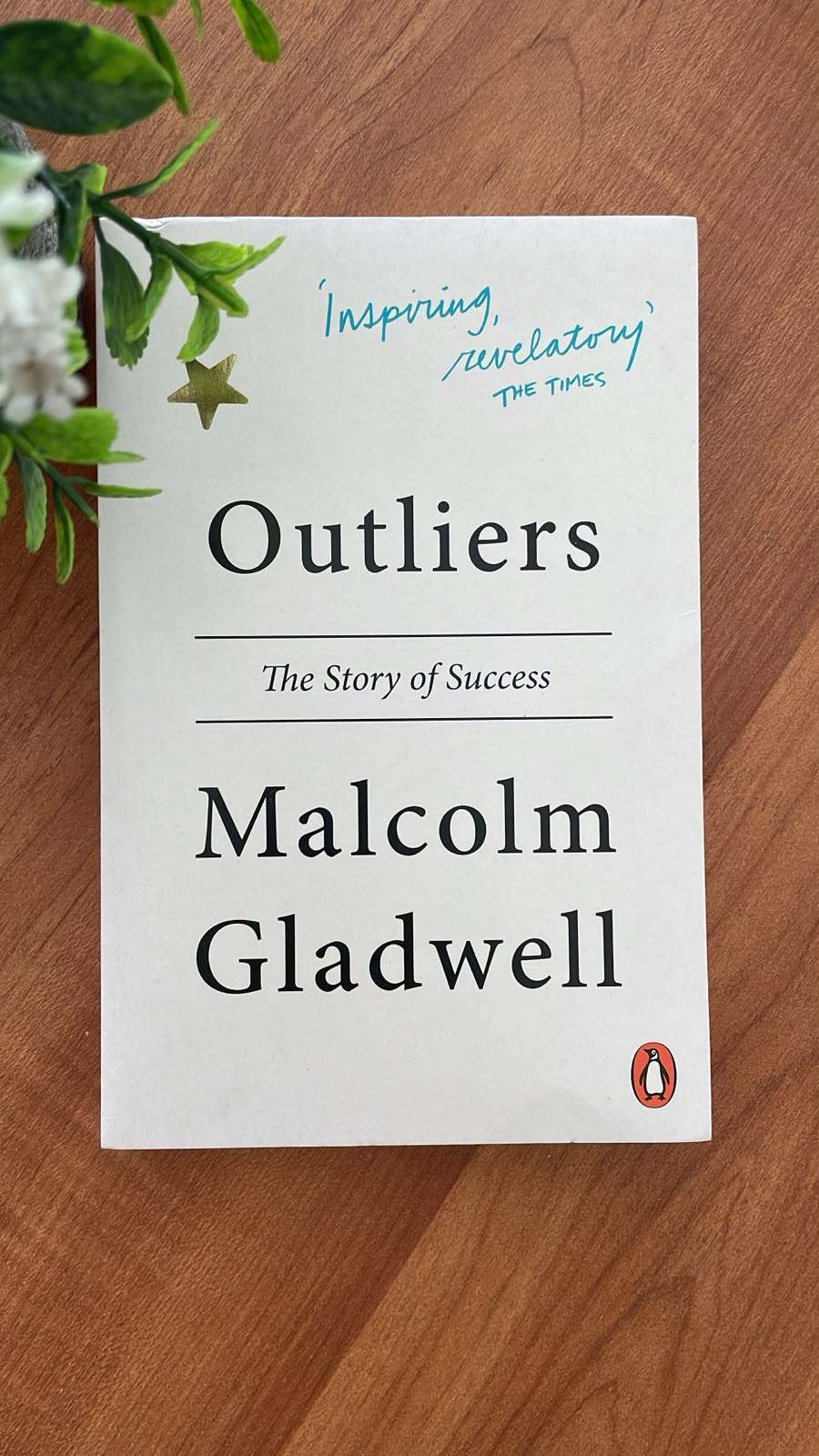
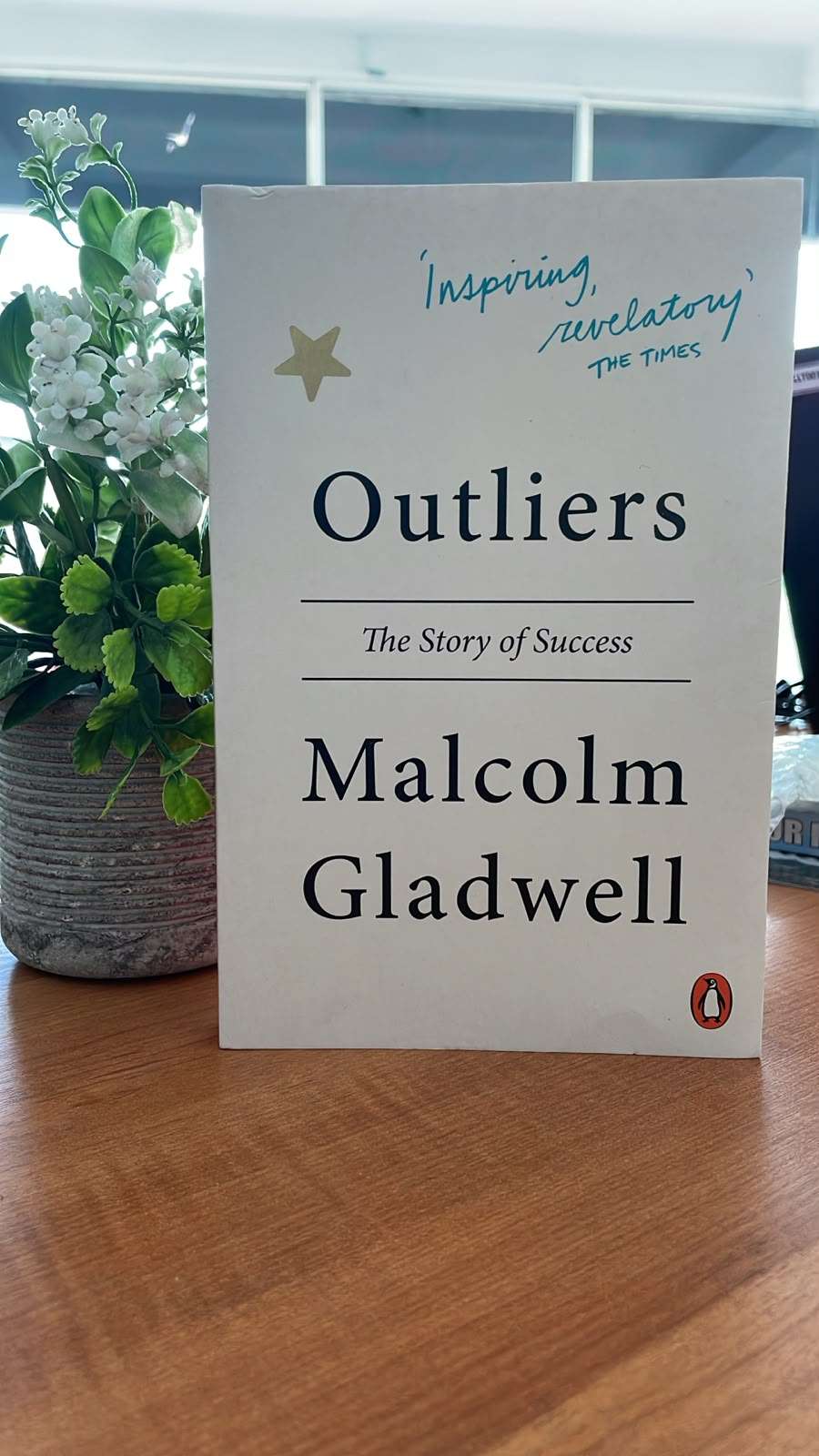





Description
Here’s a detailed, structured summary of Outliers: The Story of Success written in the same practical, principle‑oriented style as your description of 8 Rules of Love. The goal is to explain each core idea clearly, showing how the book reconceives success—just as 8 Rules of Love reframes love.
Overview
Outliers challenges the popular notion that exceptional success comes from merely talent, intelligence, or sheer willpower. Instead, Malcolm Gladwell shows that success is a product of context: opportunities, timing, cultural legacy, deliberate effort, and accumulated advantage. True achievement isn’t random, nor is it earned by effort in isolation—it arises from a predictable set of factors working together.
Success Begins With Opportunity — Not Just Effort
A central lesson in Outliers is that hidden advantages often determine who gets ahead. Gladwell argues that being “in the right place at the right time” and having access to opportunities early in life plays a huge role in long‑term success.
Many people assume that if you work hard enough, you’ll succeed. But Outliers shows that success is rarely a solo journey—it’s shaped by the environment and timing that allow deliberate practice and growth in the first place.
The Core Concepts Explained
1. The Matthew Effect — Advantages Compound Over Time
Gladwell opens with the Matthew Effect, the idea that small initial advantages grow into significant successes over years. (rohitlaukamp.com)
- Children born just after eligibility cutoffs in youth sports often get extra coaching and play time. Those small early advantages snowball into elite achievement.
- This principle applies beyond sports: early academic advantages, supportive homes, and resource access compound over years.
Takeaway: Success rarely starts equally—it accumulates from early edges that compound with time.
2. The 10,000‑Hour Rule — Mastery Needs Practice and Access
One of the book’s most famous rules is the 10,000‑hour rule: world‑class expertise requires around 10,000 hours of deliberate practice. (coursehive.io)
Examples:
- Bill Gates had early access to computers that let him practice programming long before most peers.
- The Beatles performed thousands of hours on small stages before becoming global stars.
Takeaway: Talent sets the stage, but practice backed by opportunity and access makes mastery possible.
3. The Trouble With Geniuses — IQ Isn’t Enough
Gladwell shows that raw intelligence doesn’t guarantee success. (coursehive.io)
- High IQ helps up to a point, but beyond that threshold, practical intelligence—the ability to navigate social contexts, advocate for oneself, and solve real‑world problems—matters more.
- Examples like Christopher Langan illustrate that intelligence without support systems, mentorship, and social savvy doesn’t usually lead to major success.
Takeaway: Real‑world outcomes demand more than brainpower; they need confidence, opportunity, and social fluency.
4. Cultural Legacy — Deep Roots Shape Behaviors
Gladwell dedicates part of Outliers to how cultural histories influence success. (coursehive.io)
- Cultural norms about hierarchy, work ethics, or communication affect workplace dynamics and learning patterns.
- For example, students from cultures with histories of hard agricultural labor often show strong persistence and focus in challenging academic tasks.
Takeaway: Success happens within cultural frameworks that shape habits, mindsets, and social expectations.
5. Education, Timing, and Environment — Opportunity Isn’t Evenly Distributed
In Outliers, Gladwell also discusses:
- Timing: Being born in specific eras or demographic trends can open doors (e.g., tech boom for early computer programmers). (coursehive.io)
- Education: Schools with longer instructional hours and better support systems give students the time and structure needed to excel. (rohitlaukamp.com)
Takeaway: Where and when you grow up can shape the range of chances you get to build success.
Communication and Context — Success Is Social
Though not strictly about communication like 8 Rules of Love, Outliers emphasizes that supportive networks, mentors, and collaborative environments multiply success.
No one becomes an outlier completely alone—family, teachers, communities, peers, and institutional access all play roles.
Who Should Read This Book
Outliers is especially valuable for:
- People reevaluating the “self‑made success” narrative
- Students and professionals seeking a realistic map of achievement
- Educators, coaches, and mentors designing equitable systems
- Anyone curious how context, culture, and opportunity shape outcomes
Like 8 Rules of Love, it refocuses attention from idealized assumptions to practical realities.
Lasting Impact
After reading Outliers, many readers shift from thinking success is about trying harder to understanding how opportunity, preparation, environment, and culture interact. Instead of blaming themselves for not “being enough,” they learn to look at systems that can support excellence—in themselves and others.
The book doesn’t say success is guaranteed—far from it—but it makes clear that success emerges from predictable, identifiable forces, not random chance.
Here are the links you requested for Outliers: The Story of Success by Malcolm Gladwell:
BookLounge.lk Link
Outliers: The Story of Success — Buy on BookLounge.lk — A listing on the Book Lounge online store where you can view and purchase this book in Sri Lanka.
Wikipedia Link
Outliers (book) — Wikipedia article — The official Wikipedia page for Outliers: The Story of Success, with publication details, themes, and more.






Reviews
There are no reviews yet.