







Description
The Political Economy of Growth by Paul A. Baran — A Foundational Study of Economic Development
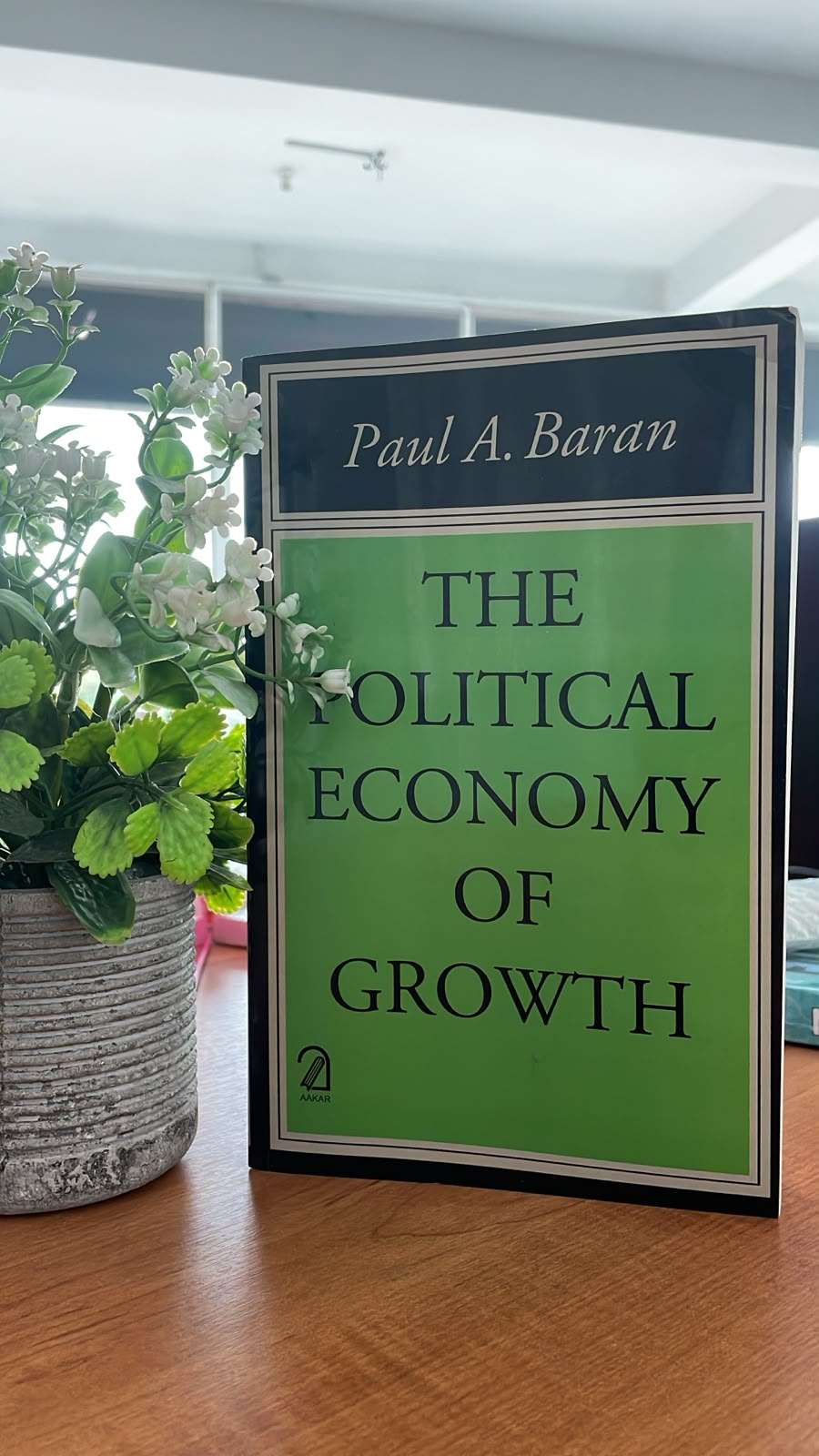
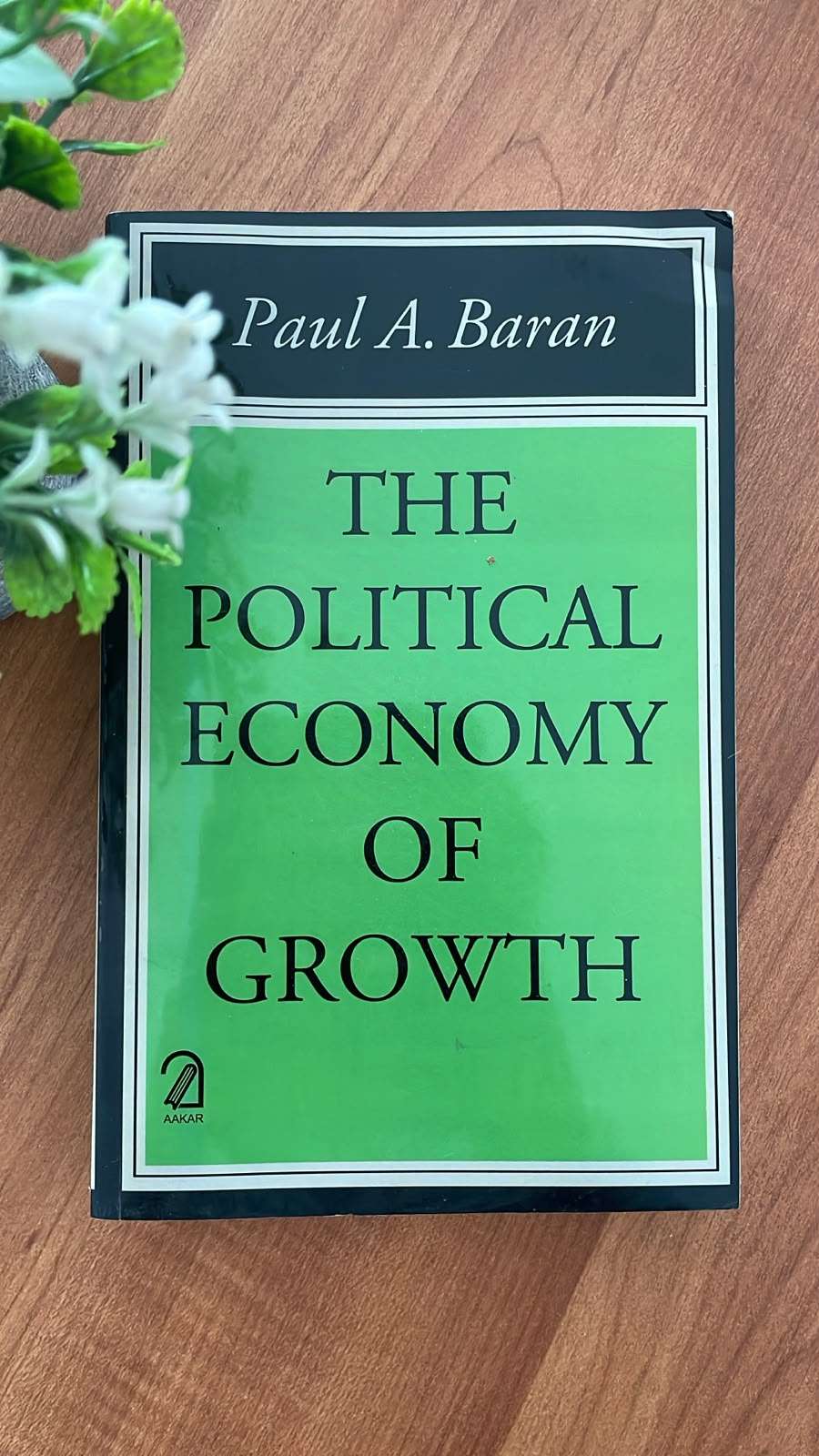
The Political Economy of Growth is an influential economics book written by Paul A. Baran and first published in 1957. The book examines why many countries remain economically underdeveloped despite having resources and labor. Rather than focusing only on internal economic policies, Baran analyzes how global economic structures, colonial history, and unequal trade relationships shape development.
The central idea of the book is that economic growth is not determined purely by market forces. Instead, historical power relations and political structures strongly influence how wealth is produced and distributed across societies.
Understanding Economic Surplus
One of the key concepts introduced in the book is economic surplus. Baran explains that every society produces more resources than are needed for basic survival. This extra production, or surplus, can be used to improve infrastructure, education, industry, and technological development.
However, in many underdeveloped economies, this surplus is not used for productive investment. Instead, it may be:
- Concentrated in the hands of a small elite
- Spent on luxury consumption
- Transferred abroad through unequal trade or foreign ownership
Because of this pattern, economic growth becomes slow or uneven.
Colonialism and Global Economic Structures
Baran places significant emphasis on the historical impact of colonialism. He argues that colonial systems were designed primarily to extract resources from developing regions rather than to promote local industrial growth.
This history created economic structures where:
- Raw materials are exported at low prices
- Manufactured goods are imported at higher prices
- Domestic industries struggle to compete internationally
As a result, many countries remain dependent on more industrialized nations.
Barriers to Development
The book identifies several obstacles that prevent sustained economic development:
- Concentration of wealth: Economic power held by a small ruling class limits broader social investment.
- Foreign economic control: External corporations and financial institutions influence local economies.
- Weak industrial base: Countries that rely mainly on agriculture or raw materials struggle to modernize.
Baran argues that without structural changes, these patterns reinforce long-term inequality between developed and developing nations.
Role of Government and Social Change
A major theme in The Political Economy of Growth is the need for strong policy intervention. Baran suggests that governments in developing countries may need to guide economic planning and redistribute surplus resources toward productive development.
These policies could include:
- Investment in education and infrastructure
- Support for domestic industry
- Regulation of foreign economic influence
- Redistribution of wealth to promote broader participation in economic growth
According to Baran, development requires not only economic reforms but also social and political transformation.
Influence on Development Economics
The book became a major contribution to development economics and influenced later theories such as dependency theory. Scholars studying global inequality often refer to Baran’s ideas about surplus extraction and structural barriers to growth.
Because of its analytical approach, the book remains important in discussions about:
- Global economic inequality
- Industrialization strategies
- Economic policy in developing countries
Who Should Read This Book
This book is especially valuable for:
- Students of economics and political economy
- Researchers studying development and global inequality
- Readers interested in economic history and policy
- Anyone exploring how political structures influence economic growth
Although written in the mid-20th century, many of its arguments continue to influence debates about development and globalization.
Useful Links
Book Lounge fiction/economics category:
https://booklounge.lk/product-category/non-fiction/
Wikipedia page for the book:
https://en.wikipedia.org/wiki/The_Political_Economy_of_Growth
Lasting Impact
After reading The Political Economy of Growth, many readers gain a deeper understanding of how historical and political forces shape economic development. Instead of viewing poverty or underdevelopment as purely internal problems, Baran encourages readers to consider global economic relationships
Author Details — Paul A. Baran
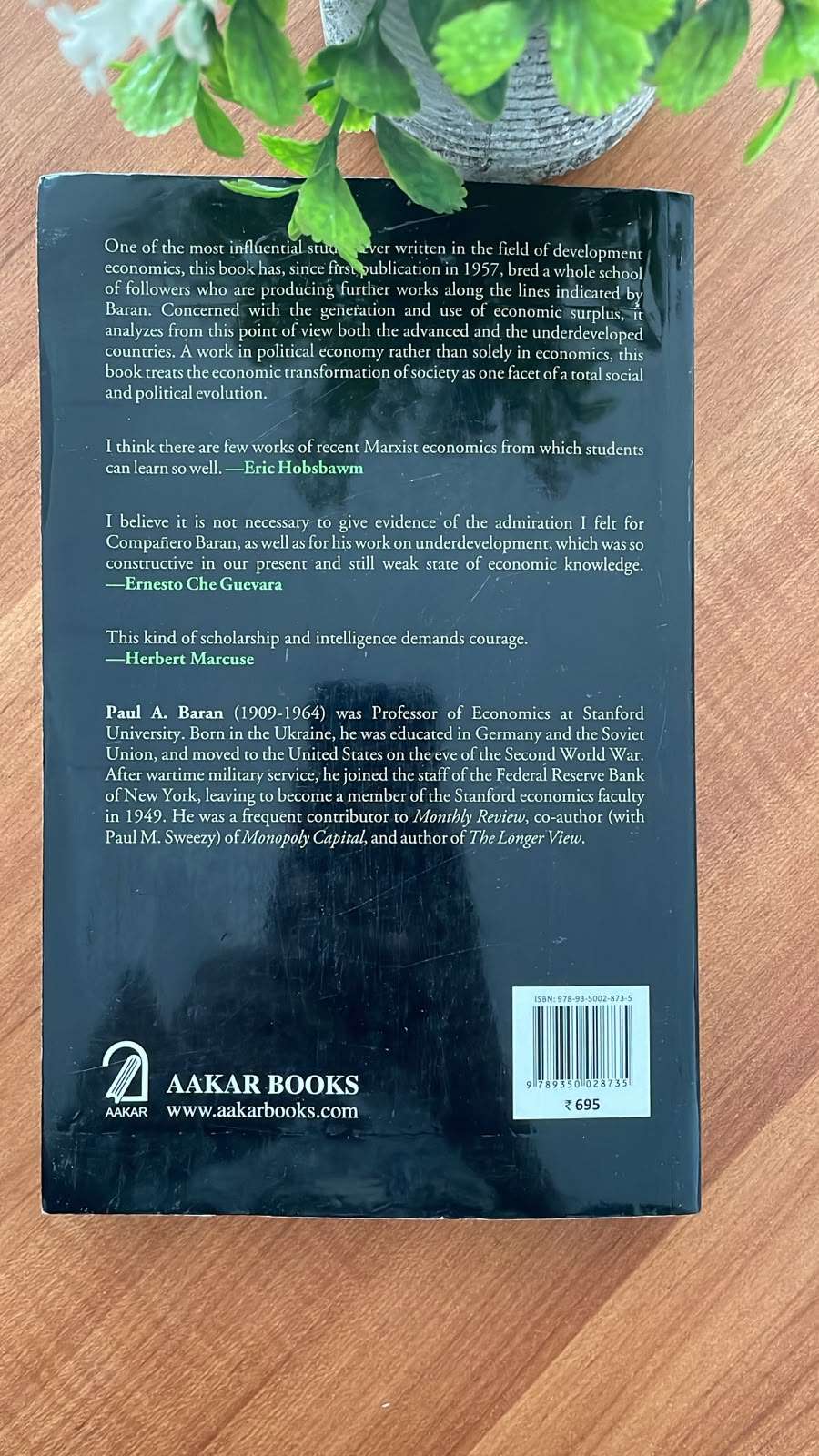
Paul A. Baran (Paul Alexander Baran) was an influential economist known for his work on development economics and political economy. He is best known as the author of The Political Economy of Growth, a major study explaining why many countries remain economically underdeveloped
Early Life
- Born: August 30, 1909
- Birthplace: Mykolaiv, in the Russian Empire (now in Ukraine)
- Died: March 26, 1964, in Palo Alto, California, United States.
Baran grew up during a politically turbulent period in Europe. His family moved across several countries—including Lithuania and Germany—due to political changes and the aftermath of the Russian Revolution. These experiences influenced his interest in economics and social theory.
Education
Baran studied economics and political economy in Europe and later in the United States.
- Studied at the Plekhanov Institute in Moscow.
- Completed a graduate degree in political economy in Germany.
- Earned a PhD in economics from the University of Berlin in 1933.
During the rise of the Nazi regime, Baran left Germany and eventually emigrated to the United States.
Academic Career
In the United States, Baran worked in government research and academic institutions before becoming a professor.
- Served as an economist during World War II for U.S. research agencies.
- Joined Stanford University in 1949 as an economics professor.
- In 1951 he became a full professor, making him one of the few openly Marxist economists teaching at an American university at that time
Major Works
Baran wrote several influential books and essays on capitalism, development, and global inequality.
Important works include:
- The Political Economy of Growth (1957)
- The Political Economy of Underdevelopment (1952)
- The Commitment of the Intellectual (1961)
- Monopoly Capital (with economist Paul Sweezy)
These works examine economic inequality, colonialism, and the relationship between political power and economic development.
Economic Ideas and Contributions
Baran belonged to the Neo-Marxian school of economics. His research focused on how wealth and economic surplus are produced and distributed in capitalist societies.
Key contributions include:
- The concept of economic surplus in development analysis
- Studies on underdevelopment in poor countries
- Early ideas that influenced dependency theory in development economics.
Legacy
Baran’s work had a major influence on economists and scholars studying global inequality and development. His ideas continue to be discussed in fields such as political economy, development studies, and sociology.






Reviews
There are no reviews yet.