







Description
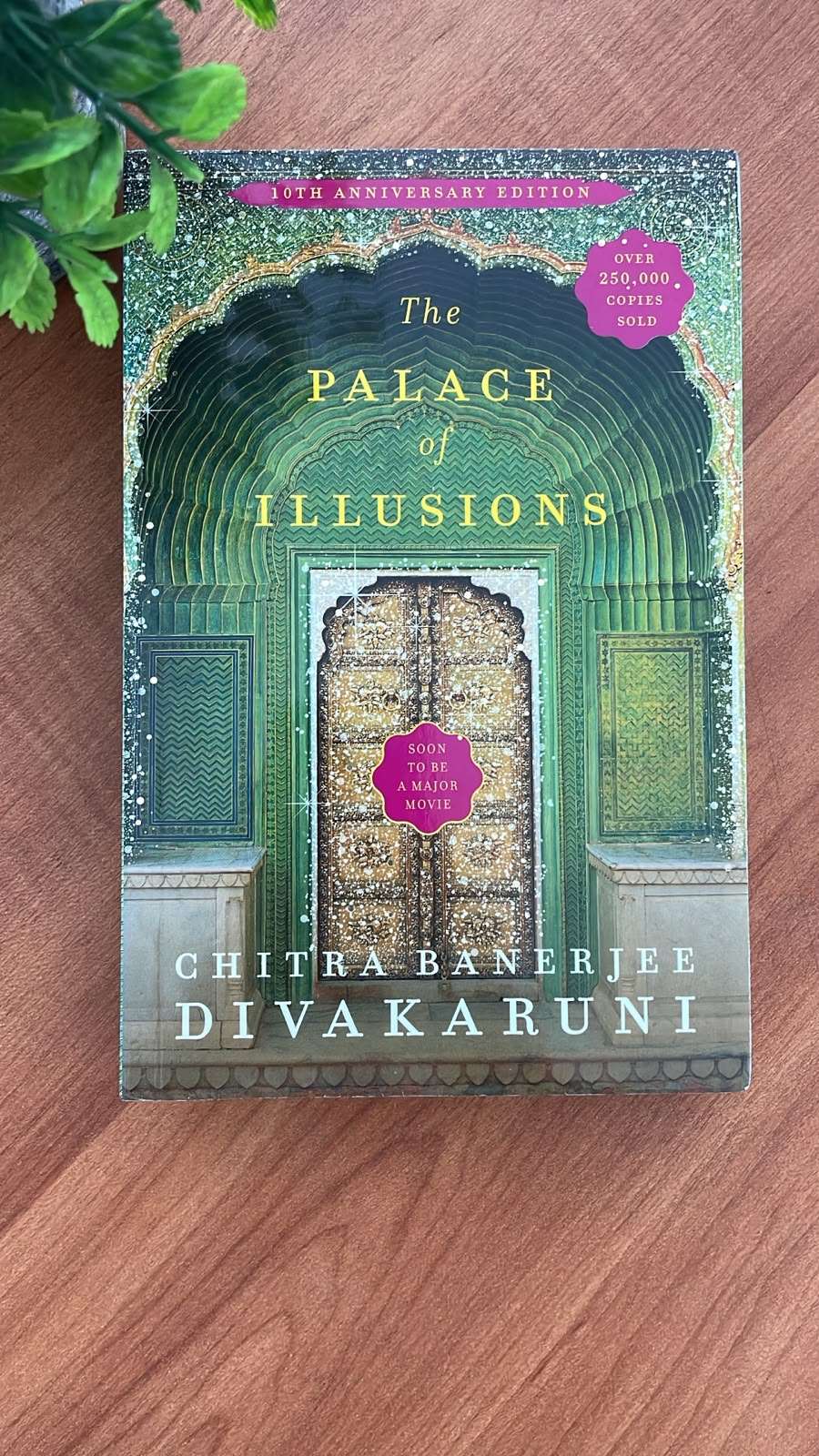
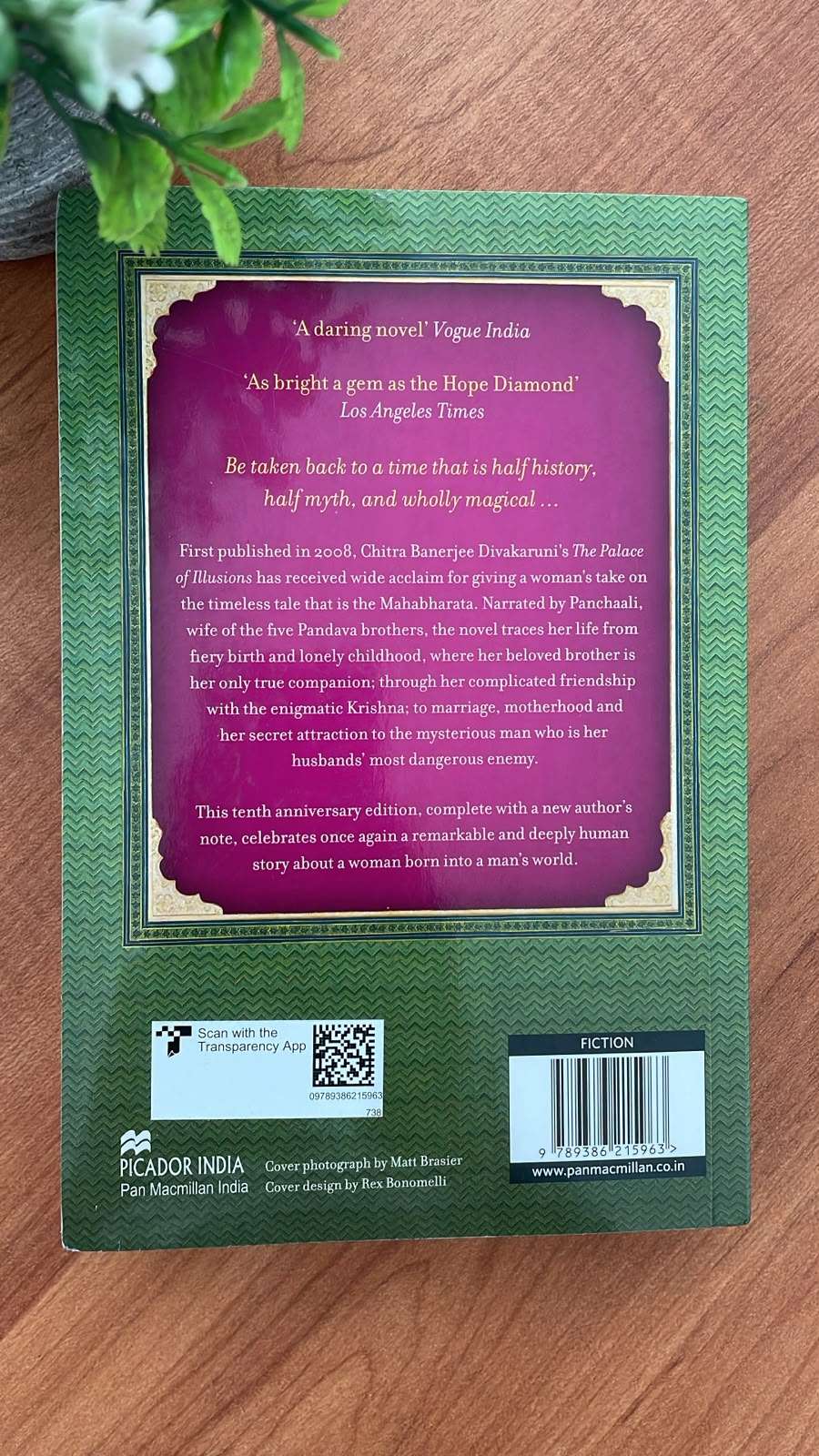
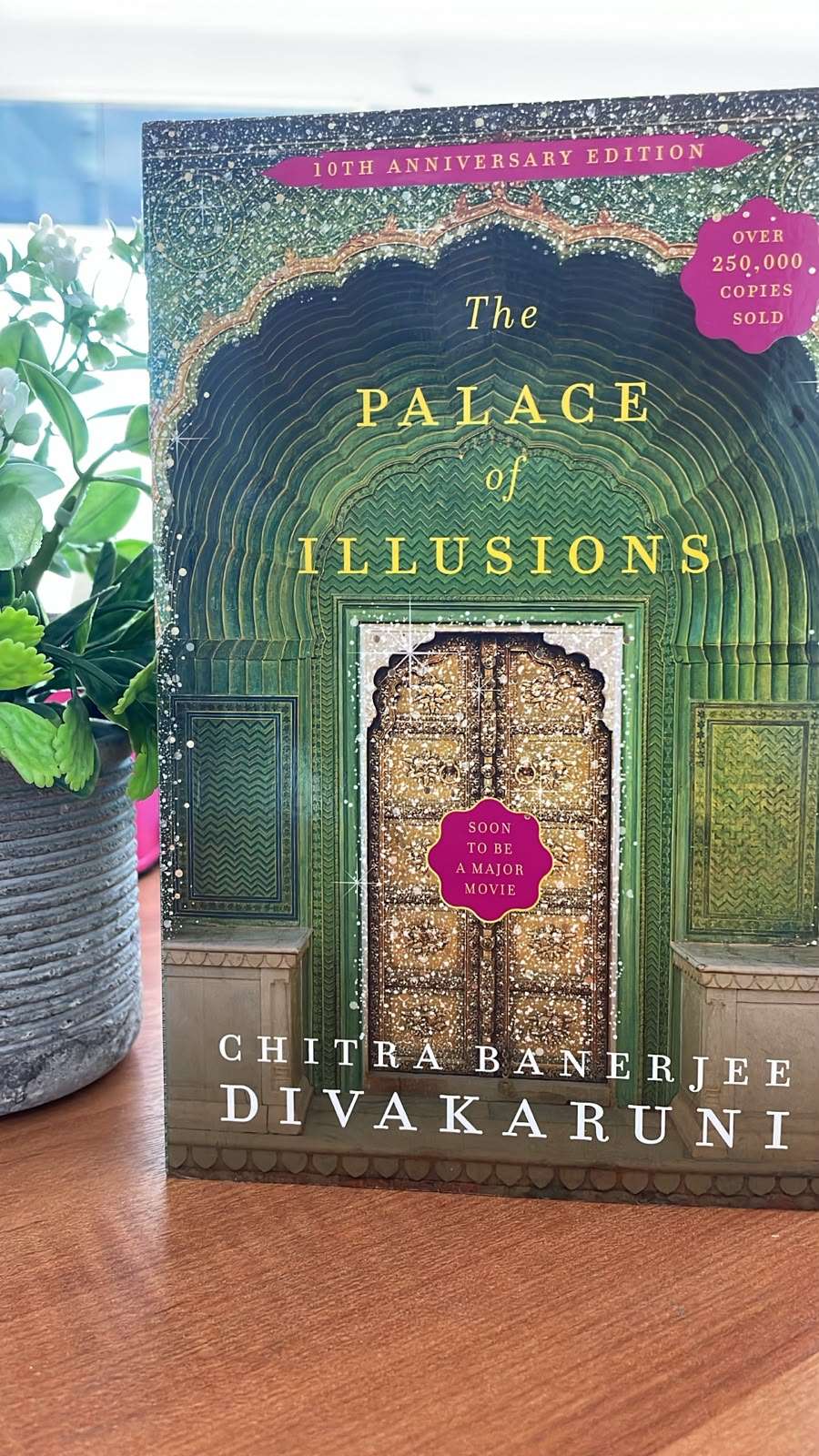
Here’s a detailed breakdown of Palace of Illusions by Chitra Banerjee Divakaruni, structured in the same style as your 8 Rules of Love summary:
A Modern Retelling of the Mahabharata
Palace of Illusions is a historical fiction novel that reimagines the Mahabharata from Draupadi’s perspective, giving voice to one of Indian mythology’s most iconic women. Instead of focusing solely on the epic battles and kings, the book explores love, ambition, desire, and agency from the viewpoint of a woman often sidelined in traditional narratives. It blends myth, history, and modern sensibilities, making ancient stories relatable to contemporary readers.
Love, Desire, and Power Through Draupadi’s Eyes
Rather than portraying Draupadi as a passive figure, the novel presents her emotions, aspirations, and struggles as central to the story. Readers witness:
- Ambition and agency: Draupadi navigates political and social constraints while asserting her identity.
- Complex relationships: Her marriages, friendships, and alliances are shown with emotional nuance rather than as mere plot devices.
- Inner conflicts: Draupadi’s desires, fears, and questions about fate and duty highlight the personal costs of power and societal expectation.
The book emphasizes that personal choice and understanding oneself are as critical as destiny or divine intervention.
The Story Structure Explained
Palace of Illusions organizes its narrative into key phases of Draupadi’s life, providing insights into the social, emotional, and political world of the epic:
- Childhood and Prophecy: Draupadi’s early years are shaped by prophecy and privilege, revealing her curiosity and early awareness of destiny.
- Marriage and Royal Life: Her marriage to the five Pandava brothers exposes the complexities of love, loyalty, and identity in a male-dominated court.
- Conflict and Exile: Life in exile tests Draupadi’s resilience, patience, and strategic thinking as the kingdom faces threats.
- War and Aftermath: The Kurukshetra war is not only political but deeply personal, reflecting the consequences of ambition, jealousy, and unfulfilled desires.
Through this structure, Divakaruni balances mythological grandeur with intimate emotional experiences, making the epic accessible and human.
Themes and Emotional Intelligence
The novel highlights themes similar to modern self-awareness and emotional intelligence:
- Perspective matters: By telling the story through Draupadi’s eyes, readers experience empathy for characters traditionally seen as secondary.
- Complexity of human emotion: Love, jealousy, pride, and ambition are explored as multifaceted, not binary.
- Moral ambiguity: Decisions often have no clear right or wrong, reflecting real-life emotional and ethical dilemmas.
Readers learn to appreciate that emotional maturity and understanding others’ perspectives are key to navigating relationships, even in mythological contexts.
Handling Conflict and Power Dynamics
The story showcases how conflict is often entwined with power, gender, and duty:
- Draupadi’s confrontations with her husbands, rivals, and the Kauravas illustrate negotiation, patience, and assertiveness.
- She models resilience in adversity, showing how awareness and strategic thinking can transform challenges into opportunities.
The novel’s portrayal of conflict is both personal and political, showing that emotional intelligence is critical for survival and influence.
Love, Identity, and Desire in the Palace
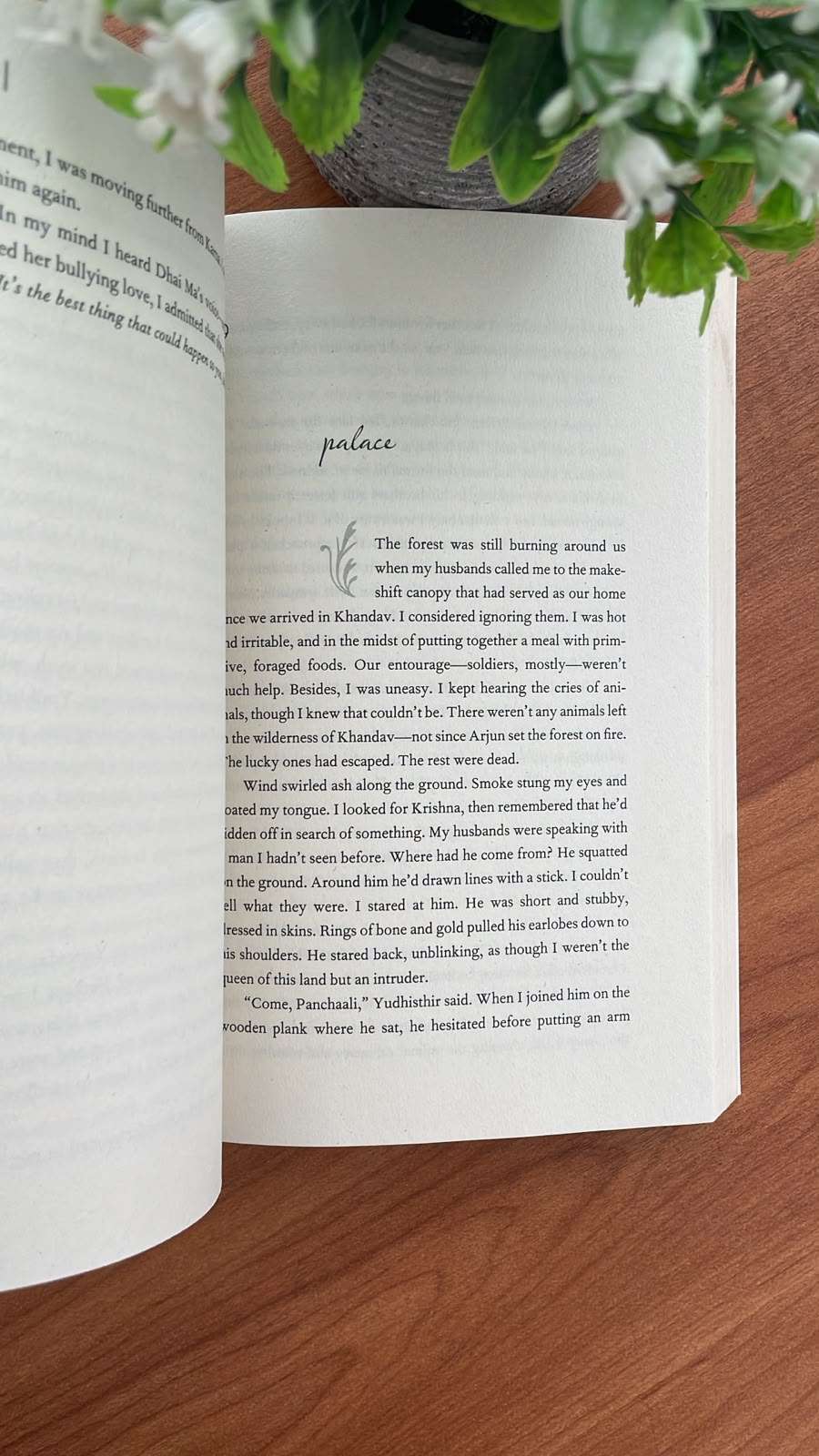
The palace itself is symbolic—a place of beauty, luxury, and confinement:
- Freedom within constraints: Draupadi navigates personal desires while conforming to societal expectations.
- Emotional exploration: The palace becomes a space where identity, love, and ambition are tested.
- Modern relevance: Readers see parallels between Draupadi’s struggle for agency and contemporary conversations about gender, choice, and self-realization.
The novel encourages reflection on how societal structures shape personal relationships and emotional well-being.
Who Should Read This Book
Palace of Illusions is ideal for:
- Fans of mythology and historical fiction
- Readers interested in female perspectives and empowerment
- Those exploring themes of love, ambition, and moral complexity
- Anyone curious about how personal choice and societal expectations interact
Like 8 Rules of Love, it emphasizes self-awareness, emotional intelligence, and understanding human relationships, though in a mythological context.
Lasting Impact
After reading Palace of Illusions, many readers gain:
- A deeper understanding of women’s experiences in epic narratives
- Appreciation for emotional nuance in relationships and ambition
- Insight into how personal identity navigates societal pressures
Ultimately, the novel teaches that voice, perspective, and awareness shape both personal fulfillment and historical legacy.
Links for Reference
- BookLounge.lk: Palace of Illusions — Buy Here
- Wikipedia: Palace of Illusions — Wikipedia





Reviews
There are no reviews yet.