








Description
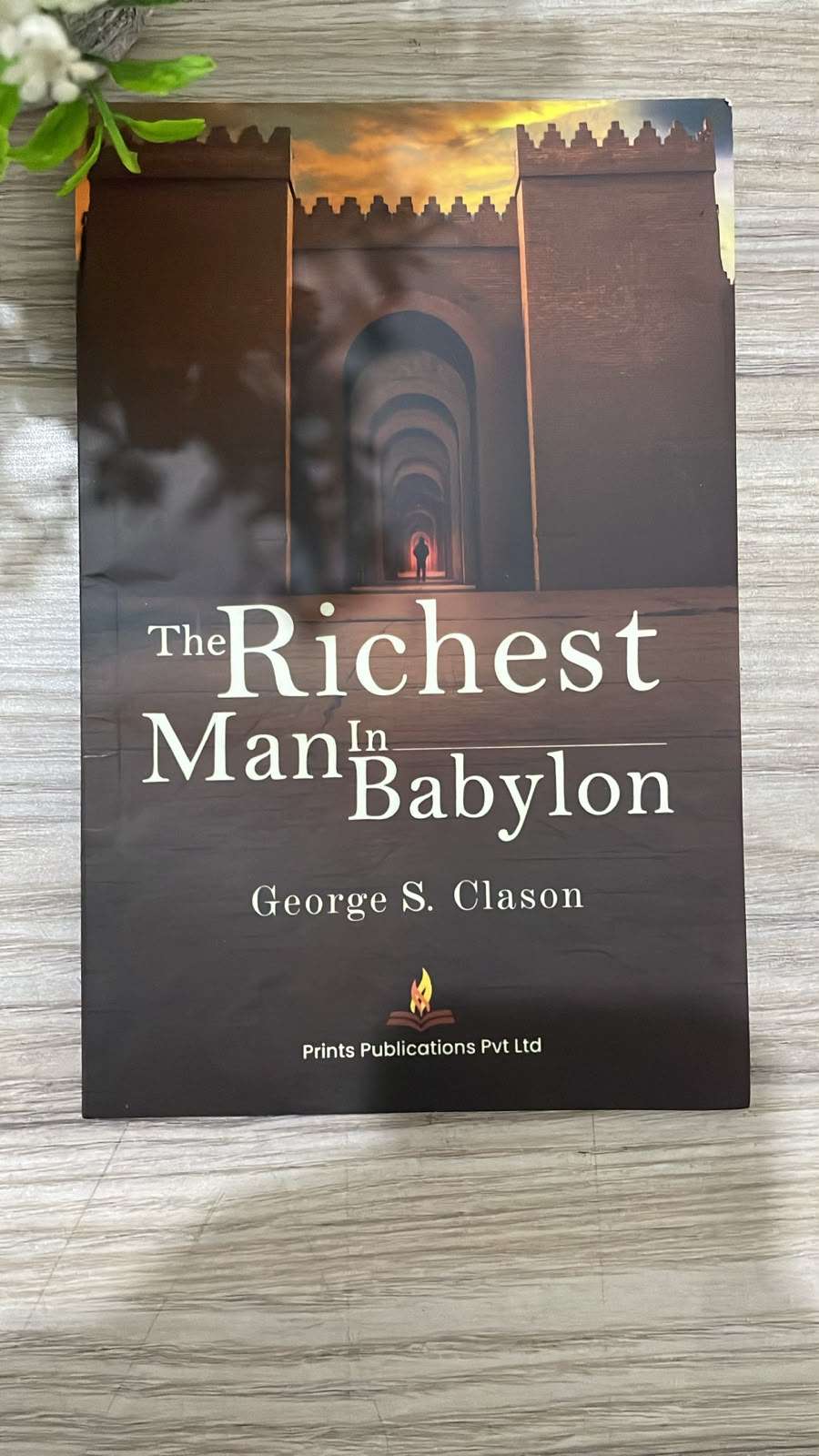
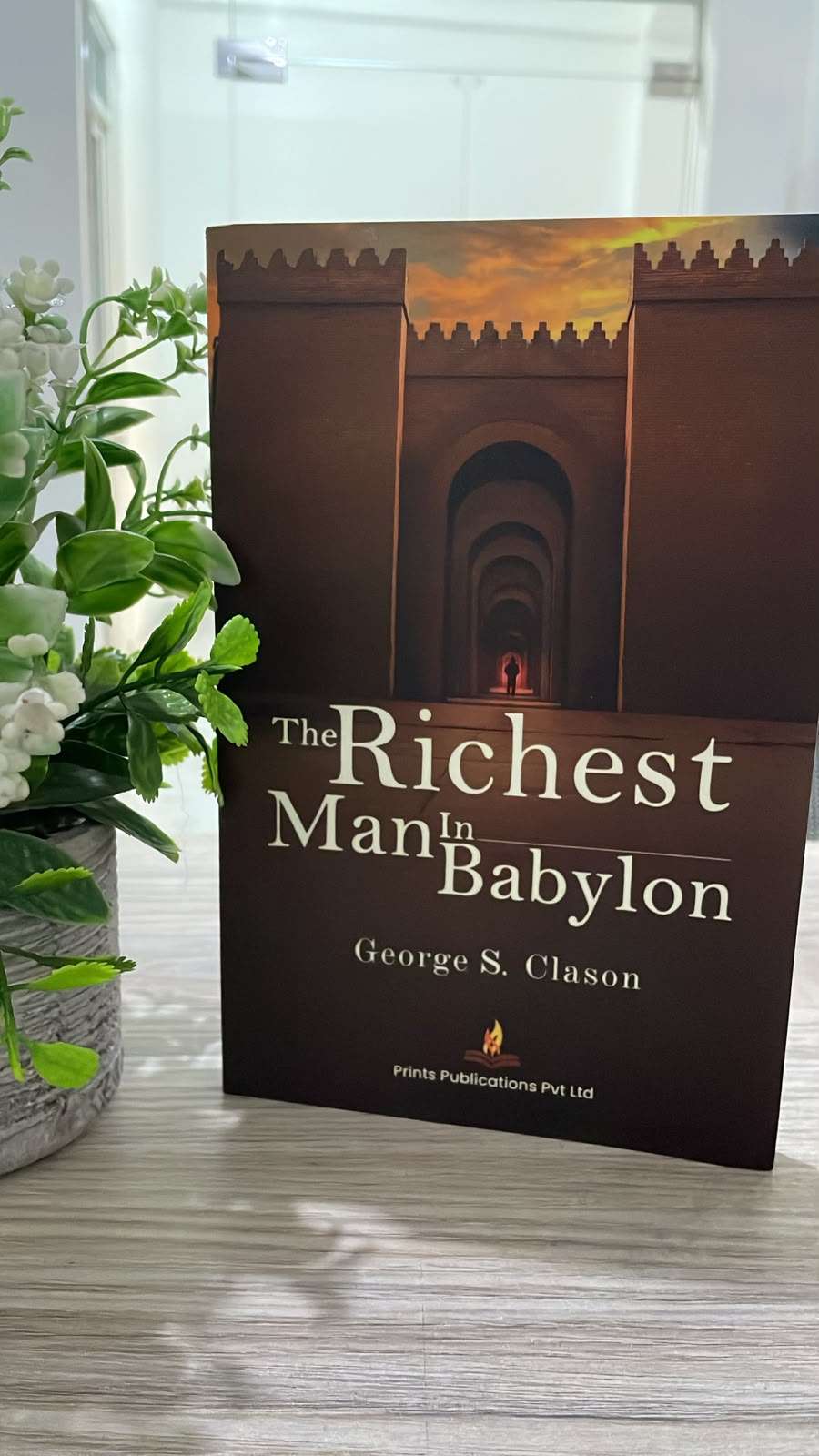
The Richest Man in Babylon by George S. Clason is a classic personal-finance book that presents practical lessons about saving, spending, investing and building financial security through a collection of memorable parables.
Instead of explaining money through complicated formulas, George S. Clason places his lessons in ancient Babylon, a city remembered for its trade, wealth and commercial development. The characters face familiar financial problems: insufficient savings, uncontrolled expenses, risky investments, debt and uncertainty about the future.
The central character is Arkad, a man who begins with little money but gradually becomes known as the richest man in Babylon. When his friends ask how he achieved his success, Arkad explains the principles and habits that helped him improve his financial position.
Although the stories are set in an ancient civilisation, their central ideas remain relevant to modern readers who want to manage income more carefully and develop responsible financial habits.
Why Read The Richest Man in Babylon by George S. Clason?
The Richest Man in Babylon by George S. Clason is an excellent introduction to personal finance because its lessons are presented through stories rather than technical financial language.
The book encourages readers to recognise that earning money is only the beginning of financial progress. A person must also learn to retain part of that income, control unnecessary spending, invest carefully and protect accumulated savings.
Its ideas are useful for students receiving their first income, employees managing monthly salaries, entrepreneurs building businesses and families attempting to create greater financial stability.
The book does not provide a modern investment portfolio or personalised financial plan. Its value lies in teaching broad habits and principles that readers can adapt to their own circumstances.
Meet Arkad, the Richest Man in Babylon
Arkad begins his life as a scribe earning an ordinary income. He observes that some people become wealthy while others continue struggling despite working hard.
Instead of believing wealth is created only through luck, Arkad asks successful people to explain how they manage money. He learns that financial progress begins by retaining part of every amount earned.
Arkad then applies the lessons, makes mistakes, seeks better advice and gradually develops assets that produce additional income.
His story demonstrates that financial education is a continuing process. Knowledge becomes valuable only when it is combined with disciplined action.
Start Thy Purse to Fattening
The first cure for a lean purse is to save a portion of every income received.
Arkad recommends keeping at least one coin from every ten earned. In modern terms, this means paying yourself first by saving a fixed percentage before spending the remainder.
Many people intend to save whatever remains at the end of the month. However, expenses frequently expand until little or nothing remains.
Saving first gives the financial goal priority. The percentage can be adjusted according to the reader’s responsibilities, but consistency is more important than waiting for the perfect income level.
Control Thy Expenditures
The second lesson concerns the difference between genuine needs and unlimited desires.
Clason explains that expenses often rise to match income. When a person receives a salary increase, lifestyle costs may increase immediately, leaving no additional savings.
The book encourages readers to create a spending plan and examine where their money goes. This does not mean eliminating every enjoyable purchase. It means choosing expenses intentionally instead of treating every desire as a necessity.
A practical budget should cover essential living costs, debt obligations, savings and a reasonable amount for personal enjoyment.
Make Thy Gold Multiply
Saving money is only the beginning. The third cure encourages readers to place accumulated savings into productive use.
Money that earns interest, investment returns or business income may gradually produce additional money. Those earnings can then be reinvested, creating the effect commonly known as compounding.
The book describes this as making gold work and allowing its “children” to produce further earnings.
Modern readers might consider savings accounts, bonds, investment funds, shares, businesses or property, depending on their knowledge, goals and risk tolerance.
Guard Thy Treasures from Loss
The Richest Man in Babylon by George S. Clason repeatedly warns against investments promising unusually high and rapid returns.
Before investing, readers are encouraged to examine whether their original capital can be protected and whether the person offering advice has genuine knowledge of the subject.
An attractive return does not justify ignoring the possibility of loss. Fraudulent schemes often succeed because they appeal to impatience and greed.
Investors should understand the product, fees, risks and legal conditions before committing money. Advice should come from qualified and appropriately regulated professionals rather than unverified social-media claims.
Make Thy Dwelling a Profitable Investment
One of Arkad’s cures encourages people to consider home ownership as part of their financial plan.
Clason presents owning a home as a way to create stability and reduce long-term dependence on rent. However, modern property decisions are more complicated.
Buying a house may involve deposits, loans, interest, taxes, maintenance, insurance and legal expenses. Renting may sometimes provide greater flexibility or be more affordable.
Readers should therefore evaluate local property prices, loan terms, income stability and personal circumstances rather than assuming that buying is always the correct choice.
Ensure a Future Income
The book encourages readers to prepare for the period when they may no longer be able or willing to work.
Future income may come from retirement funds, savings, pensions, businesses or carefully selected investments.
Planning should begin early because time allows smaller regular contributions to grow. Delaying preparation can require much larger contributions later.
Readers should also consider how their families would manage if income were interrupted by illness, disability or death. Emergency savings and suitable insurance may form part of this protection.
Increase Thy Ability to Earn
The seventh cure focuses on improving knowledge and professional ability.
A person who develops valuable skills may become more capable of earning a higher income, obtaining better opportunities or creating a business.
Useful skills may include communication, sales, technology, financial management, leadership, languages or specialised professional knowledge.
Learning should not stop when formal education ends. Industries, technology and customer expectations change, making continued development important for long-term earning ability.
The Five Laws of Gold
The Five Laws of Gold reinforce the book’s central financial principles.
- First Law: Money grows for the person who consistently keeps part of their earnings.
- Second Law: Money works productively when it is placed in suitable investments.
- Third Law: Money remains safer with a cautious owner who seeks knowledgeable advice.
- Fourth Law: Money is easily lost when invested in activities the owner does not understand.
- Fifth Law: Money disappears when people pursue impossible returns or follow dishonest schemes.
Together, these laws encourage regular saving, patient investing, financial education and caution.
The Gold Lender of Babylon
This parable examines lending, borrowing and the importance of evaluating repayment ability.
The story demonstrates that kindness and financial judgement are not always the same. Lending money without understanding how it will be repaid may harm both the lender and the borrower.
Before lending or guaranteeing another person’s debt, readers should consider the borrower’s income, plan, existing obligations and ability to repay.
Money lent to family or friends can also affect relationships, so expectations should be discussed clearly and documented where appropriate.
The Walls of Babylon
The walls protecting Babylon become a symbol of financial security.
Modern financial walls may include emergency savings, insurance, diversified income, manageable debt and careful protection of personal information.
Unexpected events cannot always be prevented, but preparation can reduce their financial impact.
A person without savings may need expensive debt after one emergency, while someone with a financial reserve may have more options.
The Camel Trader of Babylon
This story explores debt, personal responsibility and the determination required to restore financial stability.
Debt can grow when spending repeatedly exceeds income or when borrowing is used without a clear repayment plan.
The book encourages readers to face financial problems honestly rather than avoiding creditors or pretending the problem will disappear.
A repayment plan may require controlling expenses, increasing income, communicating with lenders and making consistent payments over time.
The Luckiest Man in Babylon
The book questions the belief that successful people depend mainly on good luck.
Opportunities can appear unexpectedly, but people must still recognise and act upon them. Preparation, effort and reliability make it easier to benefit when an opportunity becomes available.
The parable connects work with dignity and progress. Productive effort can create skills, relationships and opportunities that were not visible at the beginning.
Pay Yourself First
The most widely remembered principle from the book is to keep part of everything earned.
A practical modern approach might involve automatically transferring a selected percentage of income into savings immediately after receiving a salary or business payment.
The amount does not need to be large at the beginning. A smaller contribution maintained consistently may be more useful than an ambitious target that is quickly abandoned.
As income increases or debts decrease, the saving rate can be reviewed and gradually raised.
Avoid Get-Rich-Quick Schemes
The book repeatedly presents wealth as the result of patience, knowledge and responsible habits rather than sudden speculation.
Promises of guaranteed high returns, secret investment opportunities and pressure to act immediately should be treated cautiously.
Before investing, readers should ask:
- How does the investment generate its return?
- What are the possible losses?
- Can the money be withdrawn when needed?
- Who regulates the company or adviser?
- Are the fees and conditions clearly disclosed?
- Does the investment match the reader’s financial goals?
Financial Lessons for Modern Readers
The broad principles can be applied through practical actions such as:
- Saving a fixed part of every income payment
- Tracking monthly income and expenditure
- Separating needs from optional spending
- Creating an emergency fund
- Reducing expensive debt
- Learning before investing
- Diversifying rather than placing everything in one asset
- Preparing for retirement and future responsibilities
- Developing skills that may increase earning ability
- Avoiding investments promising unrealistic profits
Read the Advice Critically
The book offers broad principles rather than a complete modern financial plan.
Financial markets, taxation, banking regulations and retirement systems have changed significantly since the parables were first published.
Some ideas, including home ownership and particular savings percentages, may not suit every reader’s circumstances.
The strongest approach is to use the book as an introduction to financial discipline and then study current information relevant to Sri Lankan laws, financial institutions and investment options.
Who Should Read This Book?
This personal-finance classic is recommended for:
- Beginners learning to manage money
- Students and young professionals
- Employees beginning to save
- Entrepreneurs and small-business owners
- Readers interested in wealth-building habits
- People trying to control expenses or debt
- Parents teaching older children about money
- Readers of business and self-development books
Important Financial Disclaimer
The book offers general financial principles and the author’s personal philosophy. It does not provide personalised investment, accounting, legal or tax advice.
Saving, investing, borrowing and business ownership involve different levels of risk. Readers should consider their individual circumstances, complete independent research and obtain advice from qualified professionals before making major financial decisions.
About George S. Clason
George Samuel Clason was an American businessman and writer born in Louisiana, Missouri, in 1874.
He attended the University of Nebraska, served in the United States Army and later founded the Clason Map Company in Denver.
Beginning in 1926, he published a series of pamphlets about thrift and financial success using parables set in ancient Babylon. Banks and insurance companies distributed the pamphlets widely, and the stories became the foundation of The Richest Man in Babylon.
In The Richest Man in Babylon by George S. Clason, he transformed basic principles of saving, responsible spending and cautious investing into stories that remain accessible to new generations of readers.
Official author information is available from the
Penguin Random House George S. Clason profile.
Readers can view official publisher information for another recognised edition through the
Penguin Random House page for The Richest Man in Babylon.
Why Buy from Book Lounge Sri Lanka?
Book Lounge is an online bookstore serving students, professionals, entrepreneurs and general readers throughout Sri Lanka.
Explore more finance, business and educational titles through the
Book Lounge Non-Fiction collection.
You can also browse personal-development and financial-mindset books through the
Book Lounge Self Help collection.
View all currently available books through the
Book Lounge online store.
For assistance with availability, payments or delivery, visit the
Book Lounge contact page.
Buy The Richest Man in Babylon Online in Sri Lanka
Buy The Richest Man in Babylon by George S. Clason online in Sri Lanka from Book Lounge and discover timeless lessons about saving, budgeting, investing and protecting your wealth.
Order The Richest Man in Babylon by George S. Clason from Book Lounge today and begin applying the financial wisdom of Arkad, the Seven Cures for a Lean Purse and the Five Laws of Gold.





Reviews
There are no reviews yet.