








Description
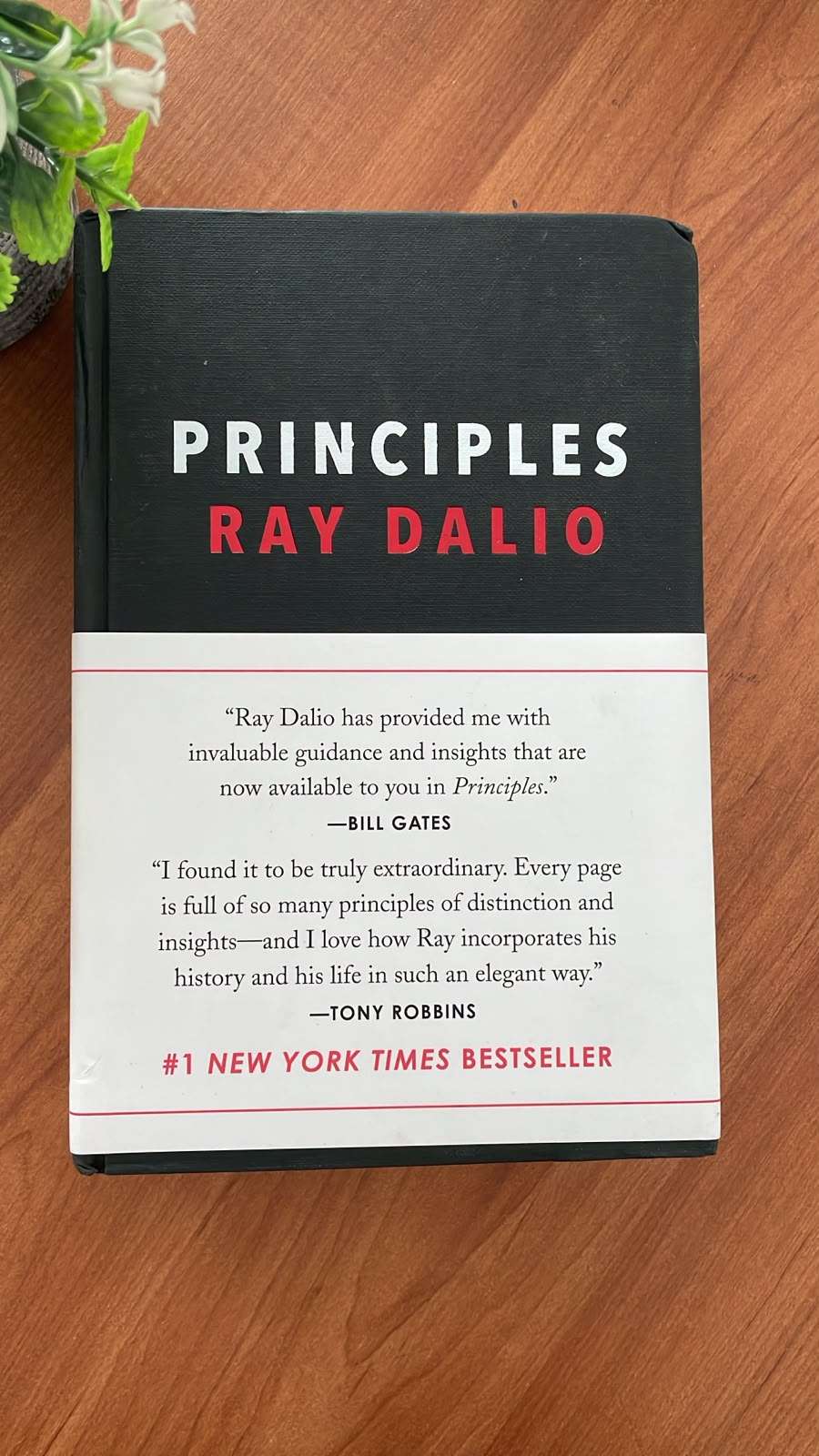
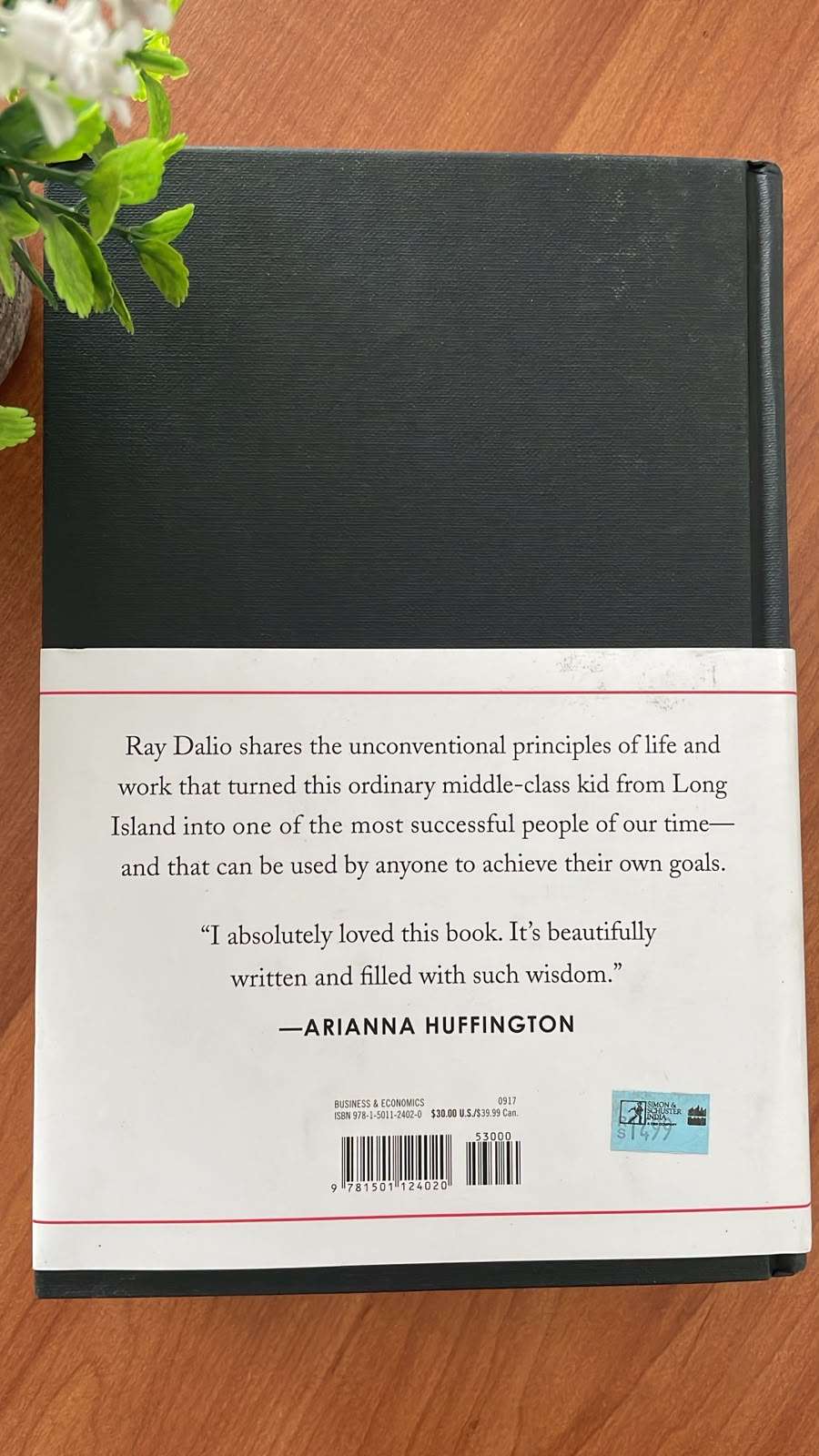
Principles: Life and Work by Ray Dalio is an influential business and personal-development book about decision-making, leadership, self-awareness and learning from experience. Combining memoir with practical guidance, Ray Dalio explains the principles he developed while building Bridgewater Associates and managing the challenges of business, investing and organisational leadership.
Dalio presents principles as clear rules for dealing with recurring situations. Instead of making every important decision from the beginning, individuals and organisations can examine previous experiences, identify what worked and create principles that guide future behaviour.
The book encourages readers to understand reality accurately, accept mistakes, study their causes and use what they learn to make better decisions. Its lessons can be applied not only to investing or large organisations but also to careers, entrepreneurship, teamwork and personal goals.
Why Read Principles: Life and Work by Ray Dalio?
Principles: Life and Work by Ray Dalio offers a structured approach to solving problems and improving performance. Dalio argues that success does not come from avoiding every mistake. It comes from examining mistakes honestly, learning from them and changing the systems that allowed them to happen.
The book is divided broadly between life principles and work principles. The life principles focus on understanding reality, setting goals, identifying problems and designing practical solutions. The work principles examine culture, leadership, communication, hiring, teamwork and organisational decision-making.
Readers can use these ideas to create their own principles rather than copying every rule exactly. Different people have different goals and values, but everyone can benefit from reflecting on experience and developing more consistent ways of making decisions.
Part Memoir and Part Practical Business Guide
The book begins with Dalio’s personal and professional journey. He describes his early interest in markets, the founding of Bridgewater Associates and the major successes and failures that influenced his thinking.
These experiences give context to the principles presented later. The ideas were not developed only through academic study. They emerged from real decisions involving markets, employees, clients and the growth of an organisation.
Dalio writes about difficult periods in which his assumptions proved incorrect. Rather than presenting failure as something to hide, he explains how painful experiences can become valuable when they are examined carefully.
This combination of personal history and practical instruction makes the book useful for readers who enjoy business memoirs as well as structured personal-development guides.
Embracing Reality and Dealing with It
One of the book’s central messages is that good decisions begin with an accurate understanding of reality. People may avoid uncomfortable facts because those facts challenge their confidence, plans or preferred beliefs.
Ignoring reality does not remove a problem. It usually allows the problem to grow. Dalio encourages readers to seek accurate information, listen to credible disagreement and separate what they hope is true from what the available evidence suggests.
This principle can be used in personal and professional situations. A business owner may need to recognise that a product is not meeting customer needs. A manager may need to admit that a process is ineffective. An individual may need to acknowledge that a habit is preventing progress.
Accepting reality does not require abandoning ambition. It allows people to create plans based on the situation that actually exists.
Using Pain and Failure to Make Progress
Principles: Life and Work by Ray Dalio presents mistakes as opportunities for learning. Failure can reveal weaknesses in knowledge, planning, communication or execution.
People often respond to failure by becoming defensive, blaming others or avoiding the subject. These reactions may protect confidence temporarily, but they prevent useful learning.
A more productive response is to examine what happened, identify the root cause and determine how a similar problem can be prevented. This process turns a difficult experience into a practical principle.
For example, a missed deadline may reveal that responsibilities were unclear, resources were insufficient or the original estimate was unrealistic. Correcting the underlying process is more valuable than simply criticising the person involved.
Radical Truth and Radical Transparency
Two of the most widely discussed ideas in the book are radical truth and radical transparency. Radical truth involves creating an environment where people can speak honestly about problems, ideas and performance.
Radical transparency means making relevant information available so that decisions can be understood, questioned and improved. Dalio argues that organisations perform better when important problems are discussed openly rather than hidden by office politics or fear.
These ideas can be challenging to apply. Honesty without respect may become unnecessarily harsh, while transparency without appropriate limits may create privacy or confidentiality concerns.
Readers can therefore consider how to adapt these principles responsibly. The objective is not to create conflict but to make it easier for accurate information and constructive criticism to influence decisions.
Building an Idea Meritocracy
Dalio describes Bridgewater’s desired culture as an idea meritocracy. In this kind of environment, decisions are not based only on job title, popularity or confidence. Ideas are examined according to their quality and the credibility of the people presenting them.
An employee with relevant experience and a strong record in a particular area may receive greater weight when discussing that subject. However, all participants should still be able to question assumptions and present evidence.
This approach can help organisations avoid decisions controlled entirely by the most senior or outspoken person. It encourages teams to identify the people with the most relevant knowledge and learn from thoughtful disagreement.
An effective idea meritocracy still requires clear responsibility. Discussion should improve a decision rather than creating endless debate without action.
Believability-Weighted Decision-Making
The book introduces the concept of believability-weighted decision-making. Not every opinion should automatically receive identical weight when people have different levels of knowledge and experience.
A believable person is someone who has successfully handled similar situations and can explain the reasoning behind their conclusions. Considering this record can help a team distinguish informed judgement from unsupported confidence.
This principle can be useful in business, medicine, education, finance and other fields where specialist knowledge matters. It does not mean that experts are always correct or that new ideas should be ignored.
Instead, it encourages decision-makers to evaluate both the argument and the relevant experience of the person making it.
Creating Systems for Better Decisions
Principles: Life and Work by Ray Dalio encourages readers to view recurring decisions as systems. When the same type of problem appears repeatedly, a clear process can improve consistency and reduce emotional reactions.
A business might create principles for selecting suppliers, handling customer complaints, approving expenses or hiring employees. An individual might develop rules for saving money, planning important work or reviewing long-term goals.
Systems should not replace judgement completely. Unusual situations may require flexibility. However, written principles make it easier to understand why a decision was made and whether the same reasoning should be used again.
Reviewing results also allows a system to improve. When a rule produces an undesirable result, the rule can be examined and updated.
The Five-Step Process for Achieving Goals
Dalio presents a practical process for moving from a goal to a result. It begins with setting clear goals and identifying the problems preventing those goals from being achieved.
The next stage is diagnosing the root cause of each problem. This is important because visible symptoms may not reveal the actual weakness in a system.
After identifying the cause, readers can design a plan and complete the actions required. The process should then be repeated as new information and challenges appear.
This approach is valuable because it separates different kinds of thinking. Identifying a problem, diagnosing it and designing a solution are related activities, but they are not identical.
Meaningful Work and Meaningful Relationships
The book connects successful organisations with meaningful work and meaningful relationships. People often perform better when they understand why their work matters and trust the colleagues working beside them.
Meaningful work involves contributing to goals that employees consider valuable. Meaningful relationships require honesty, respect, dependability and a shared commitment to improvement.
These ideas can be applied to companies of different sizes. A small business can create meaning through customer service, teamwork and a clear purpose. A larger organisation can improve engagement by helping employees understand how their responsibilities contribute to broader goals.
Lessons for Entrepreneurs and Business Owners
Entrepreneurs must make decisions with incomplete information. They need to select products, manage cash, understand customers, organise employees and respond to unexpected problems.
Dalio’s principle-based approach can help business owners document what they learn. Instead of repeating the same errors, they can create procedures based on previous experience.
For example, an entrepreneur may establish clear rules for inventory purchasing, employee approval processes or customer refunds. These principles can make operations more consistent as the business grows.
The book also reminds leaders to seek disagreement from capable people. A team member who identifies a serious weakness may be more valuable than someone who agrees with every decision.
Who Should Read This Book?
This hardcover book is recommended for:
- Entrepreneurs and business owners
- Managers and organisational leaders
- Investors and finance professionals
- Students studying business or management
- Employees interested in career development
- Readers exploring decision-making and psychology
- People building personal or professional systems
- Fans of business memoirs and leadership books
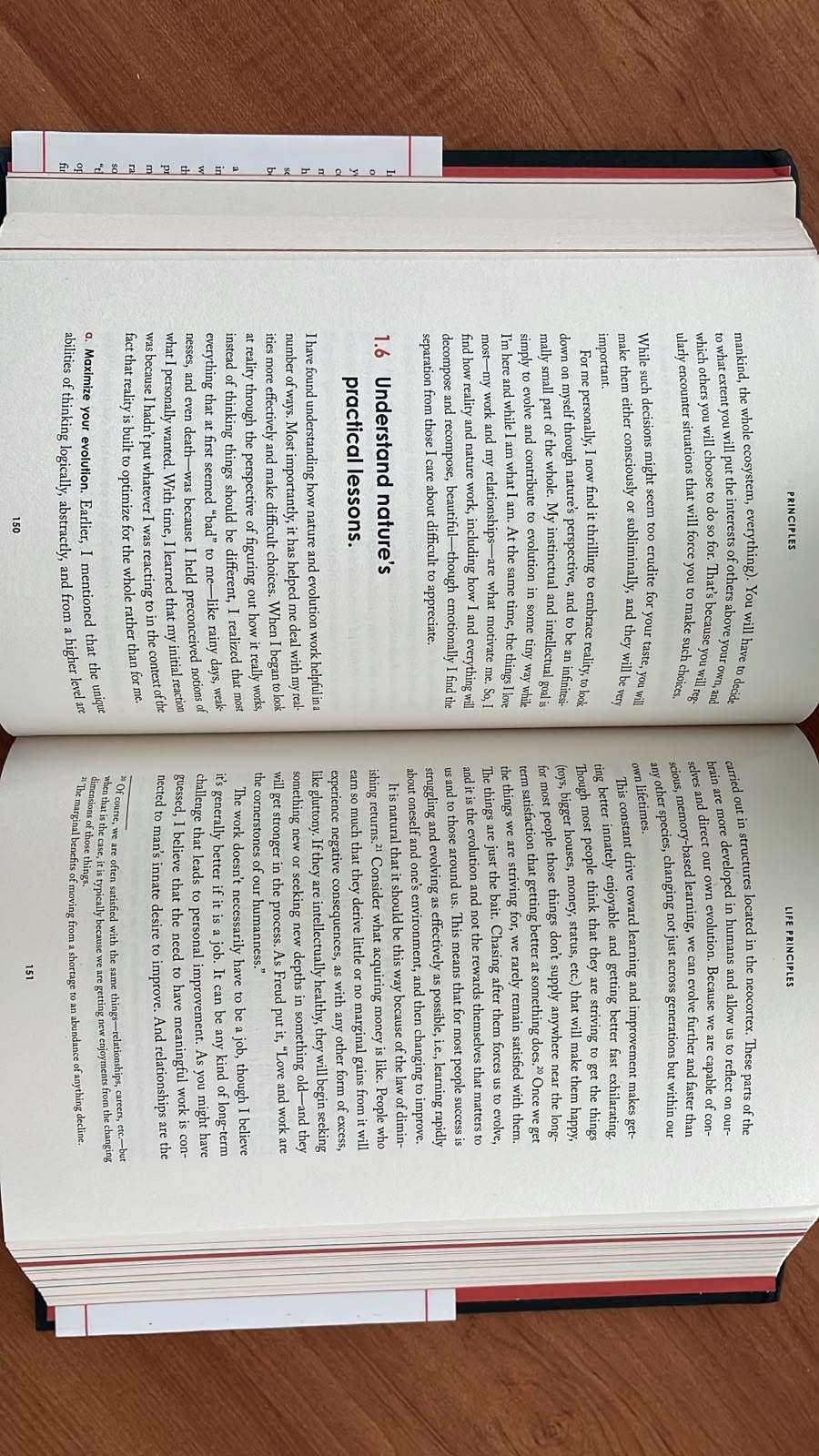
The book contains detailed ideas and is best suited to readers who enjoy studying, highlighting important sections and reflecting on how lessons can be applied.
About Ray Dalio
Ray Dalio is an investor, entrepreneur and bestselling author. He founded Bridgewater Associates in 1975 and led the organisation through much of its development into a major global investment firm.
Dalio has written several books about decision-making, markets, economics and global change. His publications include Principles: Life and Work, Principles for Success, Principles for Navigating Big Debt Crises and Principles for Dealing with the Changing World Order.
His writing focuses on identifying repeatable patterns, understanding cause-and-effect relationships and using practical principles to improve decisions.
In Principles: Life and Work by Ray Dalio, he brings together lessons from his personal life, investment career and experience building an organisation based on radical truth, radical transparency and idea meritocracy.
Verified publication information is available from the
official Simon & Schuster page for Principles.
Readers can also explore the author’s books, videos and principles through the
official Principles website.
Why Buy from Book Lounge Sri Lanka?
Book Lounge is an online bookstore serving readers, students and professionals throughout Sri Lanka.
Readers interested in management, leadership, investing and personal development can explore the
Book Lounge Non-Fiction collection.
You can also browse motivational and personal-development titles through the
Book Lounge Self Help collection.
Explore additional available books through the
Book Lounge online store.
For assistance with availability, payments, delivery or an existing order, visit the
Book Lounge contact page.
Buy Principles: Life and Work Online in Sri Lanka
Buy Principles: Life and Work by Ray Dalio online in Sri Lanka from Book Lounge and discover a structured approach to leadership, decision-making and personal development.
Order Principles: Life and Work by Ray Dalio in hardcover from Book Lounge today and learn how clear principles, honest reflection and systematic problem-solving can support meaningful results in life and work.





Reviews
There are no reviews yet.