






Description
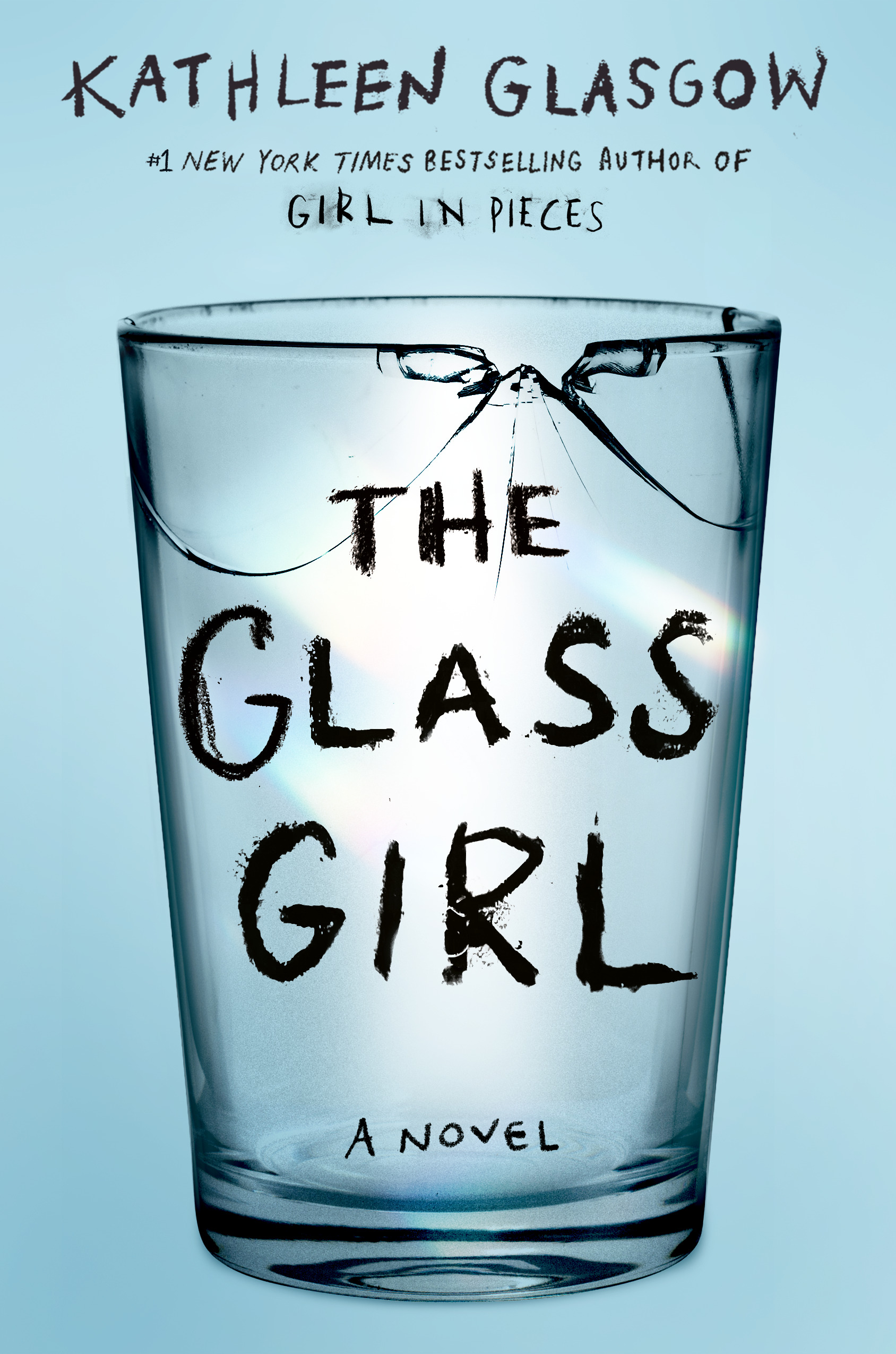
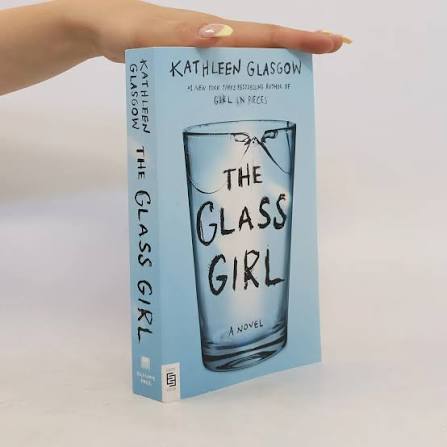
The Glass Girl by Kathleen Glasgow
The Glass Girl by Kathleen Glasgow
The Glass Girl by Kathleen Glasgow is a raw and compassionate Young Adult novel about grief, addiction, family pressure and the difficult process of learning how to recover when life has become too heavy to carry alone.
At the centre of the story is Bella, a fifteen-year-old girl who feels as though everybody in her life wants something from her.
Her mother needs help around the house.
Her father wants her not to cause problems.
Her relationship has left her heartbroken.
Her parents’ divorce has pulled her into the middle of a family she can no longer rely on in the same way.
And the one person who always seemed to understand her—her grandmother—is gone.
Kathleen Glasgow’s official site describes The Glass Girl as Bella’s journey through self-medication, addiction, anxiety, rehab and grief. Kathleen Glasgow
Bella Is Trying to Make the Pain Quieter
Bella does not begin drinking because she thinks of herself as someone with an addiction.
Alcohol simply seems to make difficult things easier.
When she drinks, the grief becomes quieter.
The heartbreak feels less sharp.
Her parents’ problems seem more distant.
For a little while, she does not have to feel everything so intensely.
And because drinking is common around her, Bella convinces herself that it is not really a problem.
She tells herself she can stop.
She tells herself she is still in control.
But the novel gradually shows how easily something used to escape pain can become another source of pain.
Google Books categorises the novel under Young Adult fiction involving family, divorce, emotions, alcohol and substance abuse, reflecting the book’s central concerns. Google Books
One Night Changes Everything
Bella’s situation reaches a breaking point after a party.
She drinks too much.
Then there is darkness.
She cannot remember what happened.
She wakes up in a hospital.
That loss of control forces the people around her—and eventually Bella herself—to confront what has been happening.
This is the point where the story turns from denial toward recovery.
Bella can no longer simply insist that everything is fine.
For her, facing reality means rehab. Liberty Books
Rehab Is Not a Magical Reset Button
One of the strengths of The Glass Girl is that recovery is not presented as something that happens instantly.
Going to rehab does not erase grief.
It does not repair a broken family overnight.
It does not automatically remove cravings or difficult emotions.
And it does not immediately teach Bella how to live without the coping mechanism she has been relying on.
Instead, recovery is presented as uncomfortable and uneven.
Bella has to begin understanding why she was drinking in the first place.
She has to confront emotions she had been trying to avoid.
She has to recognise the ways her behaviour has affected herself and the people around her.
And she has to consider what it would mean to build a life in which alcohol is no longer the solution to every painful feeling.
The publisher’s description calls the novel the story of a teenage girl “on the brink” and her difficult road back toward recovery. Heath Educational Books
Grief Sits Underneath Everything
Bella’s drinking does not exist in isolation.
Her grandmother’s death is an important emotional wound.
Grief can affect people in unpredictable ways.
Sometimes it appears as sadness.
Sometimes anger.
Sometimes numbness.
And sometimes people search for ways to stop feeling altogether.
Bella’s story examines how unprocessed grief can become connected to unhealthy coping behaviours.
The novel does not suggest that grief automatically causes addiction. Instead, it portrays one fictional teenager whose grief, family stress, heartbreak and anxiety combine into a situation she no longer knows how to manage safely.
Her Parents’ Divorce Adds More Pressure
Bella is also caught between her parents.
Divorce changes the family structure around her and contributes to her sense that adults need things from her even while she is struggling herself.
She wants stability.
Instead, she feels pulled in several directions.
That makes The Glass Girl as much a family novel as it is a book about addiction.
It explores what can happen when a teenager starts carrying emotional responsibilities that feel too large, particularly when the adults around her do not immediately recognise how badly she is struggling.
Heartbreak and Self-Worth
Bella’s relationship experiences also contribute to her emotional state.
Her ex has made her feel as though she is somehow too much.
Too emotional.
Too complicated.
Too difficult.
That kind of message can become especially damaging when someone is already grieving and struggling with anxiety.
Part of Bella’s recovery therefore involves more than stopping drinking.
She has to begin rebuilding the way she sees herself.
Recovery requires learning that she does not need to make herself smaller simply to become easier for other people to handle.
Addiction Without Romanticising It
A particularly important aspect of the book is that it does not treat heavy drinking as glamorous.
Bella may initially believe alcohol helps her.
But readers see the consequences becoming increasingly serious.
Memory loss.
Injury.
Damaged trust.
Emotional instability.
And eventually hospitalisation and rehab.
The story explores why alcohol can feel appealing to someone in pain while still being clear about the harm associated with dependence and loss of control.
That balance helps the novel approach addiction with compassion rather than simply judging Bella.
Recovery Requires Help
Another major idea in The Glass Girl is that asking for help is not the same as failure.
Bella reaches a point where she cannot safely solve everything by herself.
That reality is frightening.
But it is also necessary.
Recovery becomes possible when she starts allowing other people to support her and when she begins being more truthful about what she is experiencing.
The novel therefore explores resilience without turning it into a message of “just be stronger.”
Sometimes resilience means admitting that you need treatment, support and time.
A Story About Young Women and Addiction
Kathleen Glasgow’s novel focuses specifically on a teenage girl, which allows it to explore the pressures young women may experience around relationships, family expectations, emotions and social life.
Bella is expected to keep functioning even while she is falling apart internally.
The book asks readers to look beyond behaviour and consider what pain may exist underneath it.
That does not excuse harmful choices.
It adds context.
And that context makes Bella feel less like a lesson about addiction and more like a real teenager trying to understand why she has reached this point.
A Difficult but Hopeful Novel
The Glass Girl deals with serious subjects, including:
- Alcohol misuse and addiction
- Rehab and recovery
- Grief
- Anxiety
- Family conflict
- Divorce
- Relationship difficulties
- Memory loss and injury
- Self-worth
- Emotional isolation
Despite these topics, the novel is ultimately concerned with recovery rather than hopelessness.
Its central question is not simply:
How did Bella get here?
It is also:
How does she begin finding her way back?
Special First Printing
This ISBN had a notable first-printing presentation.
Booksellers and Oneworld-linked catalogue records state that the first printing features:
Sprayed edges
Inside colour printing
However, the publisher description also says these features are only available while first-printing stock lasts. Liberty Books
For WooCommerce, I recommend not guaranteeing sprayed edges unless your physical stock actually has them.
If your copies do have the sprayed edge, you can add:
Special Edition – Sprayed Edge & Interior Colour Printing
to the product title or short description.
Bestseller Recognition
Kathleen Glasgow’s official site states that The Glass Girl is a New York Times and internationally bestselling YA novel and that it was selected as a Target Book of the Year. Kathleen Glasgow
About Kathleen Glasgow
Kathleen Glasgow is the author of bestselling YA novels including:
Girl in Pieces
How to Make Friends with the Dark
You’d Be Home Now
The Glass Girl
She also co-wrote The Agathas and The Night in Question with Liz Lawson. Her official site identifies The Glass Girl as her latest solo novel and describes it as Bella’s story of addiction, grief, rehab and recovery. Kathleen Glasgow
For readers who appreciate emotionally intense, character-driven YA fiction, The Glass Girl by Kathleen Glasgow is a powerful novel about reaching rock bottom, facing painful truths and slowly learning that accepting help can be the beginning of getting better.






Reviews
There are no reviews yet.